
Why Morocco Is One of the Most Underrated Travel Destinations in the World
Morocco stands as a hidden gem in the world of travel, offering an intoxicating blend of ancient traditions, stunning landscapes, and vibrant culture that often goes overlooked by international tourists. While many travelers flock to more conventional destinations, Morocco presents an authentic, transformative experience that rivals any celebrated tourist hotspot. This comprehensive guide will help you discover why Morocco deserves a prominent place on your travel bucket list.
Introduction: Morocco’s Hidden Treasures
Nestled between Europe and Africa, Morocco serves as a captivating crossroads of cultures, where Berber traditions intertwine with Arab heritage, and French colonial architecture stands alongside Islamic monuments. With the Mediterranean Sea to the north and the Atlantic Ocean to the west, this North African nation offers diverse experiences ranging from cosmopolitan cities to untouched wilderness.
What makes Morocco truly special is its remarkable ability to transport travelers through time and geography. In a single day, you can navigate bustling medinas filled with centuries-old commerce, trek through the snow-capped Atlas Mountains, ride camels across the Sahara Desert, or relax on pristine Mediterranean beaches. Few destinations offer such dramatic variety within a relatively compact territory.
Essential Information for Foreign Travelers
Geography and Climate
Morocco covers approximately 446,550 square kilometers and is divided into several distinct geographical regions. The northern coast features the Rif Mountains and Mediterranean beaches, while the central Atlas Mountains create a dramatic spine running through the country. The south transforms into the dramatic Sahara Desert, and the western Atlantic coast boasts picturesque fishing villages and surf-friendly beaches.
The climate varies dramatically by region and season. Coastal areas enjoy mild winters and warm summers, with temperatures ranging from 10°C to 30°C throughout the year. The Atlas Mountains experience cooler temperatures, with snow at higher elevations during winter months. The Sahara region can reach extreme temperatures exceeding 45°C in summer, though winter nights can be surprisingly cold.
Currency and Costs
The Moroccan Dirham (MAD) is the official currency, with approximately 10 MAD equaling one US dollar (rates fluctuate). Morocco is remarkably affordable compared to Western Europe, with budget travelers able to live comfortably on $30-40 per day, while mid-range travelers should budget $60-100 daily. High-end experiences are also available at significantly lower prices than equivalent services in Europe or North America.
Language and Communication
Arabic is the official language, with Berber (Amazigh) widely spoken, particularly in rural areas. French remains prevalent in business and education, while English is increasingly common in tourist areas, though proficiency varies. Learning a few basic phrases in French or Arabic significantly enhances interactions with locals and demonstrates respect for the culture.
Best Time to Visit
The ideal visiting periods are April to May and September to October when temperatures are moderate and weather conditions are stable. March to April offers spring blooms, while June to August brings peak summer tourism. Winter months (November to February) feature occasional rainfall but provide fewer crowds and lower prices. Avoid the Sahara during peak summer unless you tolerate extreme heat.
Major Destinations and Attractions

Marrakech: The Red City
Marrakech, known as “the Red City” for its terracotta-colored buildings, is Morocco’s most iconic destination. The medina’s ancient walls enclose a labyrinth of souks, traditional riads converted into hotels and restaurants, and stunning palaces. The Djemaa el-Fna square pulses with energy from dawn to midnight, featuring snake charmers, storytellers, food vendors, and musicians.
Key attractions include the intricate Bahia Palace, the tranquil Majorelle Garden with its cobalt-blue buildings and exotic plants, and the beautiful Koutoubia Mosque. The surrounding Marrakech region offers excellent opportunities for day trips to Berber villages, the Atlas Mountains, and desert tours.
Fes: The Cultural Heart
Fes represents Morocco’s most authentically medieval city, with the Fes el-Bali medina recognized as a UNESCO World Heritage site. This ancient city remains remarkably unchanged, with traditions of leather tanning and traditional craftsmanship continuing as they have for centuries. The medina’s winding streets, hidden palaces, and mosques offer an immersive cultural experience.
The iconic tanneries, where leather is dyed using centuries-old methods, provide fascinating (if pungent) insights into traditional craftsmanship. The Al-Qarawiyyin Mosque houses one of the world’s oldest universities, and numerous museums showcase Moroccan art, ceramics, and cultural heritage.
Casablanca: Modern and Traditional
As Morocco’s largest city and economic center, Casablanca juxtaposes modernity with tradition. The Hassan II Mosque, with its minaret standing 210 meters tall, is one of the largest mosques globally and showcases stunning Islamic architecture. The medina offers traditional experiences, while the Corniche waterfront provides contemporary dining and entertainment.
Casablanca’s international airport makes it the primary entry point for most visitors, and a day or two exploring the city provides valuable cultural context before venturing to other destinations.
Chefchaouen: The Blue Pearl
Perched in the Rif Mountains, Chefchaouen captivates visitors with its striking blue-painted medina. Every building, alleyway, and plaza displays varying shades of blue, creating an almost dreamlike atmosphere. This photogenic town attracts travelers seeking artistic inspiration and peaceful mountain surroundings.
Beyond the aesthetic appeal, Chefchaouen offers hiking opportunities into surrounding mountains, interactions with local artisans, and a relaxed pace that contrasts sharply with busier urban centers.
The Sahara Desert: Ultimate Adventure
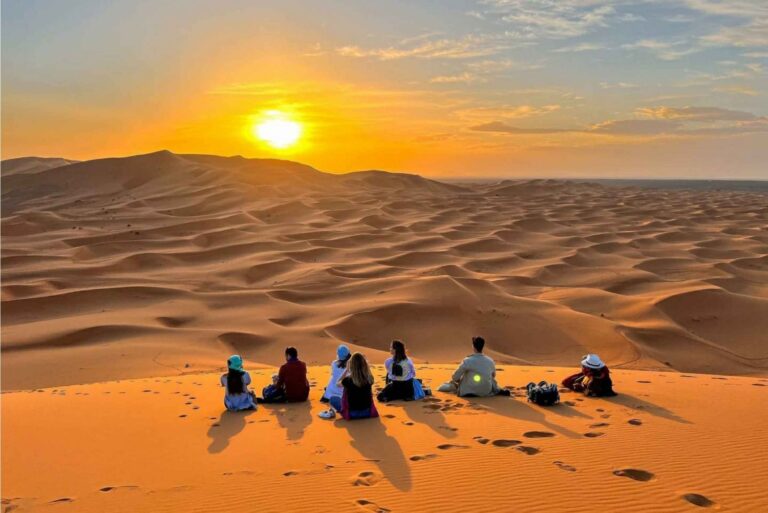
The Moroccan Sahara represents a bucket-list experience for many travelers. Desert towns like Merzouga and Zagora offer camel trekking, overnight bivouac camps under star-filled skies, and opportunities to experience Berber hospitality. The towering sand dunes, particularly at Erg Chebbi near Merzouga, create iconic landscapes that define desert travel fantasies.
Multi-day desert tours typically include camel treks, visits to Berber villages, scenic drives through dramatic landscapes, and nights spent in traditional camps with traditional Moroccan meals and entertainment.
The Atlas Mountains: Trekking Paradise
The Atlas Mountains provide stunning hiking opportunities, from day trips to multi-day treks. Mount Toubkal, North Africa’s highest peak at 4,167 meters, attracts experienced hikers. More accessible options include treks through Berber villages, past waterfalls, and through dramatic valleys.
The mountain communities maintain traditional lifestyles largely unchanged by modern development, offering visitors authentic cultural encounters and warm hospitality.
Coastal Destinations
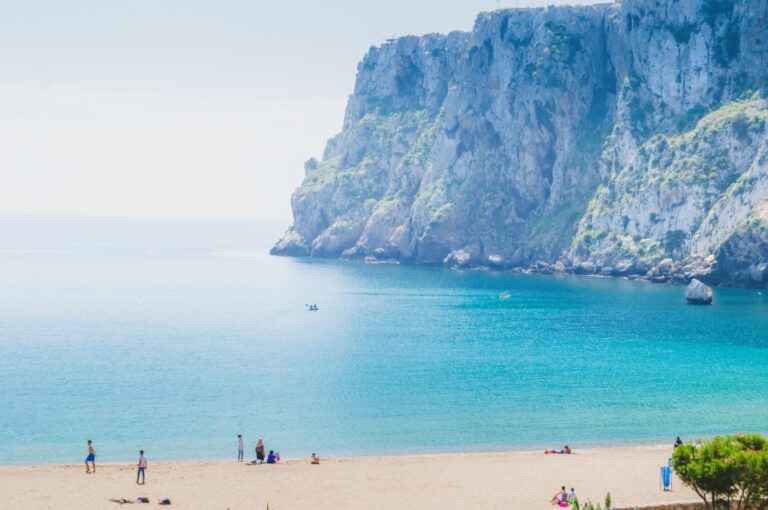
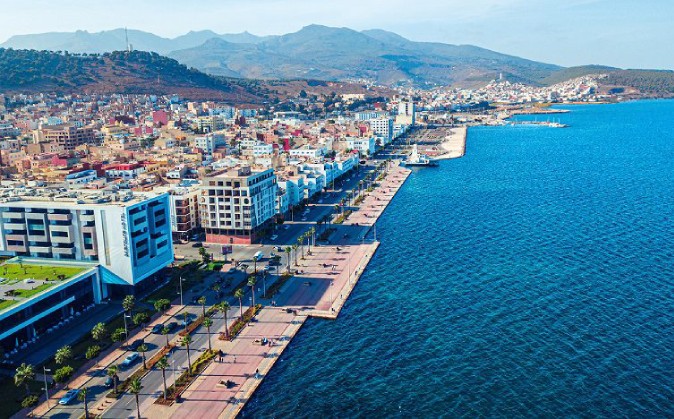
Morocco’s Atlantic and Mediterranean coasts offer diverse experiences. Essaouira provides a laid-back beach town atmosphere with excellent seafood, strong winds for water sports, and the historic medina. Agadir offers package-deal beach resort experiences. Taghazout attracts surfers and digital nomads. Smaller towns like Asilah feature artistic communities and pristine beaches.
Essential Travel Tips and Recommendations

Packing Essentials
Pack light, breathable clothing for warm temperatures, but include layers for mountain areas and cool evenings. Comfortable walking shoes are essential for medina navigation on uneven, narrow streets. Sunscreen and sunglasses provide crucial protection against intense Mediterranean sun. A lightweight scarf or shawl offers practical sun protection and respectful coverage when visiting religious sites. Consider bringing cash for smaller transactions, though ATMs are widely available in cities.
Cultural Etiquette and Respect
Moroccans are generally welcoming to respectful tourists. Dress modestly, particularly in conservative areas and religious sites, with knees and shoulders covered. Remove shoes when entering homes, mosques, or traditional riads. Photography requires permission, especially of people and religious sites. The right hand is traditionally used for greeting and eating. Ramadan, the Islamic holy month, affects business hours and dining availability; respect daytime fasting customs if present during this period.
Negotiation and Haggling
Bargaining in souks is expected and integral to the experience, but approach it as enjoyable interaction rather than combative negotiation. Start at 40-50% of the asked price and slowly increase. Vendors view haggling as friendly commerce, and accepting their hospitality with tea demonstrates respect. Many fixed-price shops and modern establishments have non-negotiable prices clearly marked.
Health and Safety
Morocco maintains reasonable health standards, particularly in tourist areas. Drink bottled or purified water, and be cautious with street food if you have sensitive digestion, though local establishments serving hot, freshly-cooked food are generally safe. Travel insurance is highly recommended. Overall crime rates against tourists are relatively low, though petty theft occurs in crowded areas, particularly medinas. Avoid displaying expensive jewelry, cameras, or large cash amounts. Women travelers should expect some attention and catcalls but can mitigate this through modest dress and confident demeanor.
Transportation
Domestic flights connect major cities efficiently. Train service between cities is reliable and comfortable, offering excellent views. Long-distance buses are affordable but can be slow; opt for better companies for longer journeys. Renting a car provides flexibility for exploring, though Moroccan driving styles require adjustment. Taxis are plentiful in cities; negotiate fares before entering non-metered cabs, or use official white taxis with meters.
Accommodation Options
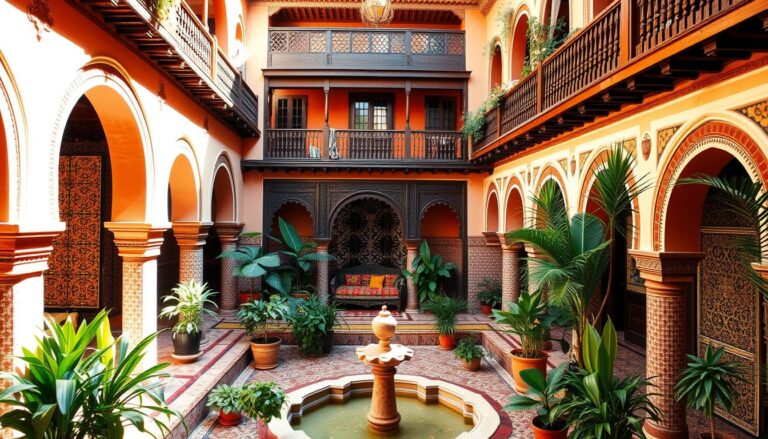
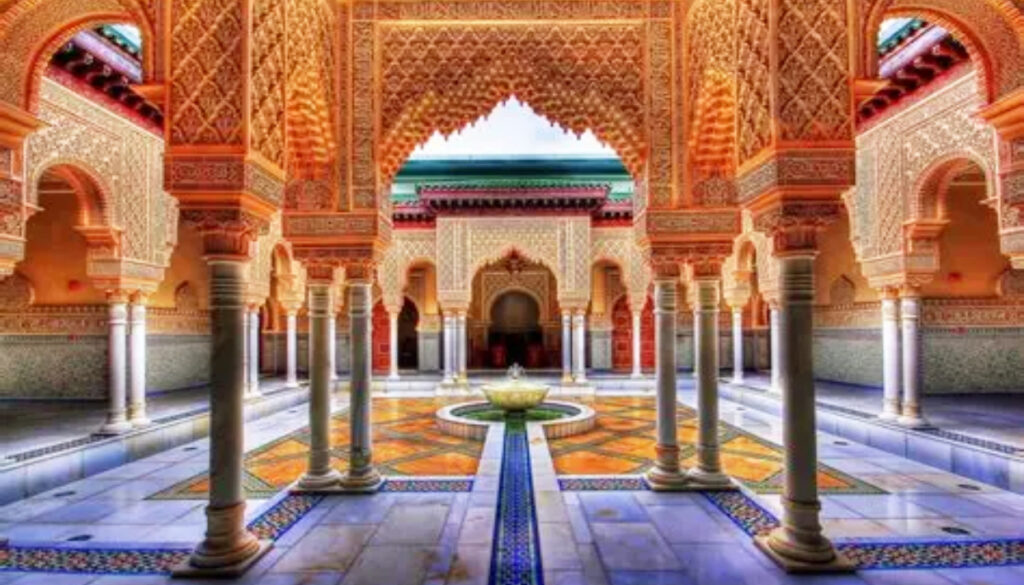
Morocco offers diverse accommodation ranging from luxury riads converted from traditional mansions to budget hostels. Mid-range riads provide authentic experiences with traditional courtyards, fountains, and personalized service. Berber guesthouses in villages offer genuine cultural immersion. Beach resorts cater to those seeking relaxation, while mountain lodges provide hiking bases.
Food and Dining
Moroccan cuisine represents a highlight of any visit. Tagines—slow-cooked stews with meat, vegetables, and dried fruits—are iconic. Couscous, harira (hearty soup), pastillas (pastry pies), and fresh seafood showcase the country’s culinary diversity. Mint tea accompanies nearly every interaction, and dates offer natural sweetness. Street food like grilled kebabs, crepes, and fresh juice are affordable and delicious. Dining experiences range from humble family-run establishments to haute cuisine restaurants in riads and resort hotels.
Photography Opportunities
Morocco presents endless photographic possibilities. Medina alleyways, colorful textiles, mountain landscapes, desert vistas, and architectural details reward visual attention. Always ask permission before photographing people. Golden hour light during sunrise and sunset enhances photographs dramatically. Consider hiring local guides who know scenic locations and cultural contexts.
Why Morocco Deserves Your Attention?

Authenticity in a Globalized World
Morocco retains authentic cultural practices rarely found in heavily touristed destinations. Traditional artisans continue crafts unchanged for centuries, Berber communities maintain ancestral languages and customs, and ancient medinas function as living museums rather than museums themselves. This authenticity creates genuine connections with locals and immersive cultural experiences impossible to replicate elsewhere.
Incredible Value
Travelers’ money stretches further in Morocco than nearly anywhere globally. Luxury experiences remain remarkably affordable. A comfortable mid-range riad with traditional design, personal service, and excellent meals costs less than budget European hotels. Professional guides, private drivers, and organized tours command reasonable prices. This value democratizes travel, allowing budget-conscious explorers to experience comfort and guided adventures typically reserved for the wealthy.
Dramatic Geographical Diversity
Few destinations match Morocco’s geographical variety. Within days, travelers experience Mediterranean coasts, snow-capped mountains, Sahara deserts, and vibrant cities. This diversity appeals to diverse interests—beach lovers, mountain enthusiasts, desert explorers, culture seekers, and adventure travelers all find fulfilling experiences. Multi-week itineraries can highlight entirely different facets of the country.
Gateway Between Continents
Morocco’s location between Europe and Africa creates unique cultural fusion. You encounter Arab and Berber traditions, French colonial heritage, Spanish influences in northern areas, and increasingly, contemporary African perspectives. This cultural blending creates distinctive cuisine, architecture, and worldviews rarely encountered elsewhere.
Year-Round Destination
Morocco’s varied climates ensure suitable visiting conditions year-round. Winter months bring fewer crowds and lower prices, perfect for those preferring solitude. Spring and autumn offer ideal temperatures and stable weather. Summer attracts those unafraid of heat and desert conditions. This variability means travelers can plan around their preferences rather than competing against global peak seasons.
Creating Your Moroccan Itinerary
A basic 10-day itinerary might include three days in Marrakech exploring the medina and Majorelle Garden, two days trekking in the Atlas Mountains or visiting Berber villages, three days in the Sahara including overnight desert camping near Merzouga, and two days exploring Fes or coastal towns. Alternatively, a coastal-focused itinerary could combine Casablanca, Essaouira, and Taghazout.
Longer trips allow deeper exploration. Three weeks enables slower travel, extended treks, multiple Sahara nights, and unhurried medina wandering. Seasonal considerations, personal interests, energy levels, and budget should guide specific planning. Working with travel agencies specializing in Morocco or hiring local guides ensures well-planned, culturally sensitive experiences.
Conclusion: Morocco Awaits
Morocco represents far more than a tourist destination—it offers transformative travel experiences that challenge perspectives, reveal cultural depths, and create lasting memories. The combination of stunning landscapes, fascinating history, warm hospitality, affordable costs, and authentic cultural immersion makes Morocco incomparable. Whether you seek adventure, cultural immersion, relaxation, or some combination, Morocco delivers magnificently.
The lack of mainstream tourist attention works in Morocco’s favor, preserving authenticity and preventing the overcrowding that challenges other popular destinations. This window of opportunity may not remain indefinitely as Morocco gains recognition. Now is the moment to discover why Morocco deserves status among the world’s greatest travel destinations. Pack your bags, prepare your mind for discovery, and let Morocco transform your understanding of travel itself.
FAQs About Traveling to Morocco
FAQ 1: Do I need a visa to enter Morocco?
Most Western passport holders, including citizens of the United States, Canada, European Union nations, Australia, and New Zealand, can enter Morocco visa-free for tourism purposes, typically for stays up to 90 days. However, visa requirements vary by nationality, and regulations change periodically. It’s essential to verify current requirements with the Moroccan embassy or consulate in your country well before traveling. Ensure your passport has at least six months validity remaining beyond your intended departure date. If you plan to stay longer than 90 days or engage in work, you’ll need to apply for appropriate visas in advance.
FAQ 2: What is the best way to get around Morocco?
The best transportation method depends on your travel style and itinerary. For city exploration, walking and local taxis work efficiently, particularly in compact medinas. For traveling between cities, trains offer reliable, scenic service at reasonable prices. Domestic flights save time for long distances, though at higher costs. Car rentals provide flexibility for exploring remote areas and creating custom itineraries, though this requires comfort with different driving standards. Many travelers combine methods—flying between distant cities, using trains for scenic journeys, and renting cars for regional exploration.
FAQ 3: Is Morocco safe for solo travelers, particularly women?
Morocco is generally safe for solo travelers, including women, though some precautions are advisable. Petty theft occurs in crowded medinas and on public transportation, so keep valuables secure and remain vigilant. Women travelers may experience cat-calling and unsolicited attention; this rarely escalates to actual danger but can be uncomfortable. Dressing modestly, wearing sunglasses, walking confidently, and avoiding excessive jewelry help mitigate unwanted attention. Traveling during daylight, staying in well-reviewed accommodations, and using established tourist operators further enhance safety. Many solo female travelers successfully enjoy Morocco by exercising reasonable caution.
FAQ 4: What is the average cost of traveling in Morocco, and can budget travelers visit comfortably?
Morocco is exceptionally affordable for travelers from developed nations. Budget travelers can live comfortably on $30-40 daily, including accommodation in hostels or budget riads, local transportation, street food meals, and free activities. Mid-range travelers should budget $60-100 daily for decent riads, restaurant meals, organized tours, and activities. Luxury travelers can spend $150+ daily for upscale riads, fine dining, private guides, and premium experiences. Costs are significantly lower than comparable experiences in Europe, making Morocco excellent value. Activities like camel trekking, guided medina walks, and Sahara overnight camping are affordable compared to equivalent adventures elsewhere.
FAQ 5: What should I know about Ramadan travel to Morocco?
Ramadan, the Islamic holy month of fasting and spiritual reflection, occurs on different dates yearly based on the lunar calendar. During Ramadan, Muslims fast from sunrise to sunset, which affects business hours, dining availability, and energy levels. Many restaurants close during daytime, though tourist establishments often remain open. The nighttime atmosphere transforms significantly, with special meals and celebrations. While Ramadan needn’t prevent travel, it requires adjustments: carry snacks, respect fasting by eating discreetly, expect reduced hours for shops and services, and embrace the unique spiritual atmosphere. Some travelers specifically choose Ramadan for authentic cultural experiences, while others prefer visiting outside this period for maximum convenience.