Traveling to Morocco as a Woman: Safety and Cultural Tips
Introduction
Morocco stands as one of North Africa’s most enchanting destinations, attracting millions of travelers annually with its vibrant medinas, stunning landscapes, and warm hospitality. For women travelers, Morocco presents both extraordinary opportunities and unique considerations. The country’s blend of ancient traditions, Islamic customs, and modern tourism infrastructure creates an experience that is simultaneously exhilarating and requiring careful navigation.
This comprehensive guide addresses the specific concerns women face when traveling to Morocco while providing practical strategies to ensure a safe, enriching, and transformative journey. Whether you’re a first-time traveler or an experienced adventurer, understanding Morocco’s cultural landscape, safety protocols, and female-specific challenges will empower you to explore this magical kingdom with confidence and respect.
Understanding Morocco: Geography, Culture, and Demographics
Morocco, located at the northwestern tip of Africa, is a nation where Berber, Arab, and French influences converge. With a population of approximately 37 million people, it serves as a gateway between Africa and Europe, separated from Spain by only the 14-kilometer-wide Strait of Gibraltar.
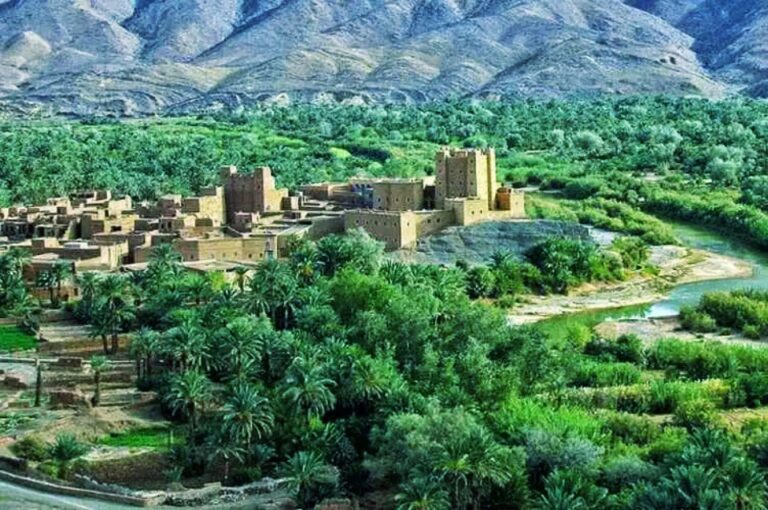
The country encompasses diverse landscapes: the cosmopolitan cities of Casablanca and Marrakech, the ancient medinas of Fez and Essaouira, the dramatic Atlas Mountains, and the golden expanses of the Sahara Desert. Morocco is a Muslim-majority nation with Islam deeply woven into daily life, yet it remains relatively progressive compared to other Islamic countries in the region.
Understanding this cultural context is essential for women travelers. Morocco welcomes approximately 12 million international tourists annually, with a growing percentage being female solo travelers and women traveling in groups. The tourism infrastructure supports female visitors, though cultural awareness and appropriate precautions remain important.
Safety Overview: Separating Fact from Fear
Is Morocco Safe for Women?
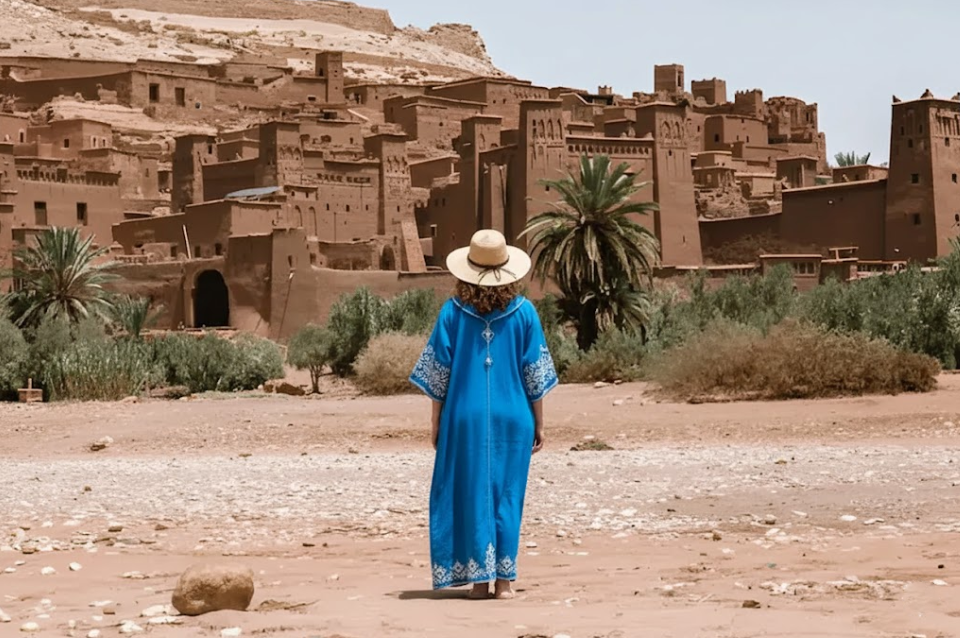
Yes, Morocco is generally considered safe for women travelers. The country has not experienced the security challenges affecting some neighboring nations, and tourism remains a priority sector for the government. Violent crime against tourists is rare, and the vast majority of women travelers report positive, enriching experiences.
However, safety is contextual and requires awareness rather than constant vigilance. Like any international destination, Morocco presents specific challenges—primarily unwanted attention and street harassment—that women should be prepared to navigate confidently.
Common Safety Concerns and Reality Check
Street Harassment and Catcalling: Women, particularly those with light skin or blonde hair, may experience catcalling or unwanted attention from street vendors and men in busy medinas. This is often more persistent than in Western countries but typically harmless. Firm, confident refusals usually suffice.
Theft and Pickpocketing: Petty theft occurs primarily in crowded tourist areas, markets, and transportation hubs. Violent crime against tourists is exceptionally rare. Pickpockets target distracted travelers, particularly in bustling souks.
Scams and Overcharging: Women travelers, especially solo travelers, may be targeted for inflated prices or scams. Knowledge and preparation prevent most situations.
Sexual Harassment: While rare in established tourist areas, inappropriate comments or unwanted advances can occur. Clear boundaries and firm refusals typically resolve situations immediately.
Pre-Travel Planning for Women
Visa and Documentation
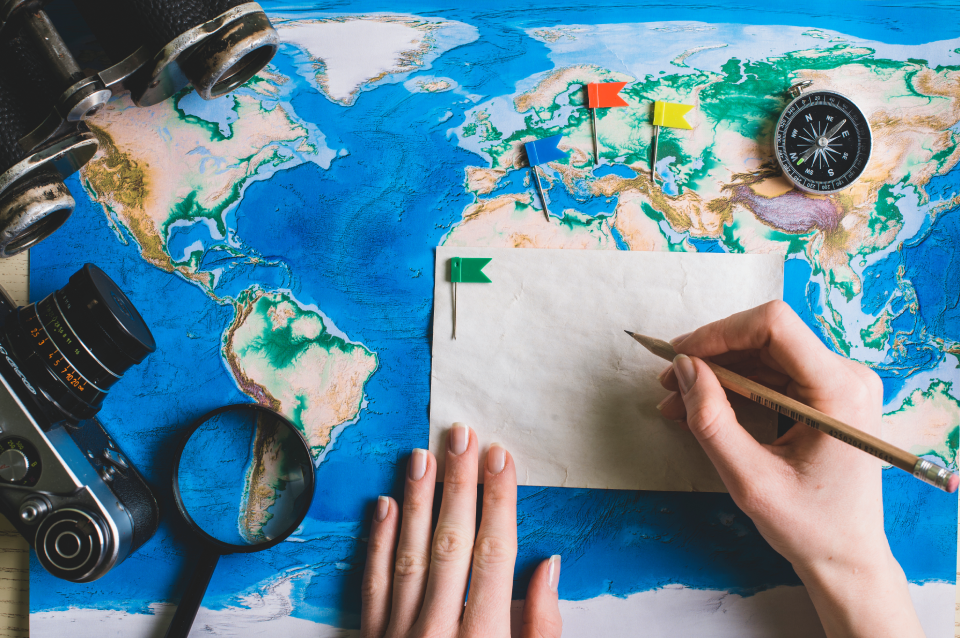
Most Western women travelers receive 90-day tourist visas upon arrival in Morocco, depending on nationality. Ensure your passport is valid for at least six months beyond your travel dates. Register with your country’s embassy before departure and maintain copies of important documents separately from originals.
Travel Insurance
Invest in comprehensive travel insurance covering medical emergencies, trip cancellation, and evacuation. Women-specific coverage may include options for solo female travelers. Keep insurance documentation and emergency contact numbers easily accessible.
Packing Essentials for Women
Clothing: Pack lightweight, loose-fitting clothes in neutral colors. Include long pants, skirts reaching below the knee, and shirts covering shoulders. Bring a lightweight scarf or pashmina for shoulders and hair coverage when entering religious sites. Pack a swimsuit for beach areas; cover-ups are important outside resort settings.
Hygiene Products: Tampons, pads, and other menstrual products are available in Moroccan pharmacies and supermarkets, though selection is limited. Bring your preferred brands or a sufficient supply from home.
Medications: Carry prescription medications in original containers with doctor’s letters confirming necessity. Include over-the-counter medications for common issues like digestive problems, headaches, and minor infections.
Safety Items: Pack a whistle, doorstop alarm, and portable phone charger. Consider carrying a personal safety app on your smartphone.
Research and Planning
Join online female traveler communities focused on Morocco. Read recent travel blogs and forums where women share current experiences. Connect with other women travelers through platforms like Bumble BFF or Couchsurfing to potentially find travel companions or meet other women in-country.
Physical Safety Strategies
Accommodation Selection
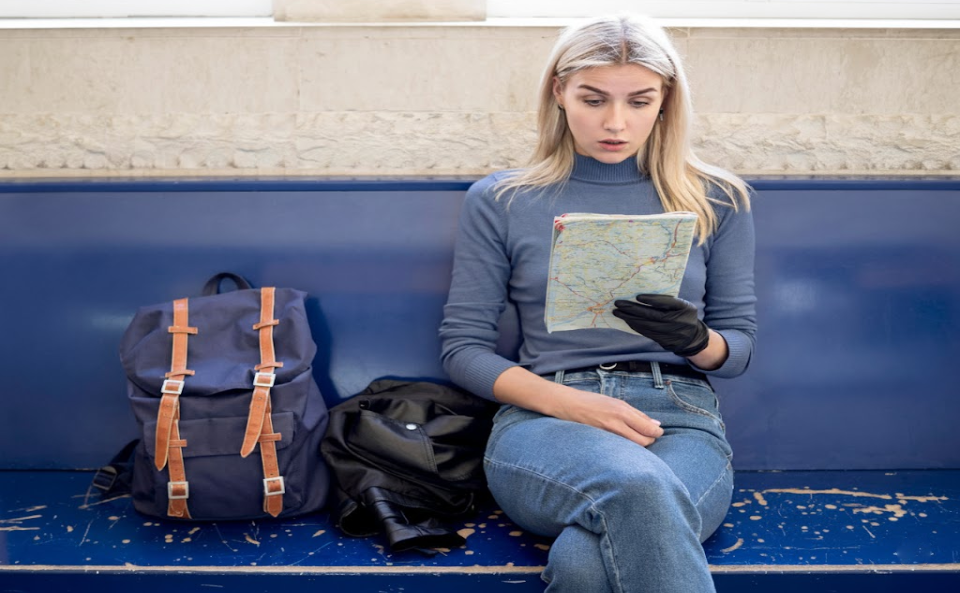
Choose accommodations with positive reviews specifically mentioning female traveler safety. Options include:
Riads: Traditional Moroccan houses converted into guesthouses, often run by welcoming families. Research hosts carefully through reviews mentioning female travelers.
Hotels: Established hotels with 24-hour reception and security staff provide additional assurance.
Hostel Communities: Women-only dorm rooms offer community and built-in social connections while reducing isolation.
Airbnb: Book only from highly-rated hosts with detailed reviews from previous female guests.
Inform your accommodation of your daily plans and check in regularly. Confirm safety features like door locks, accessible staff, and emergency protocols before booking.
Transportation Safety
Taxis and Rideshare: Use official white taxis with meters or pre-negotiate fares. Order taxis through your hotel rather than hailing on the street, particularly at night. Share your location with friends back home when using taxis. Avoid riding alone late at night; instead, travel with others or use organized tours.
Grand Taxis: Shared minibus taxis travel between cities. They’re generally safe and economical but can be crowded. Choose seats near exits, avoid traveling extremely late, and keep valuables secured.
Buses: Intercity buses are reliable and comfortable. Book through established companies. Choose daytime travel when possible, and keep bags within sight.
Guided Tours: Book organized tours for outdoor activities and unfamiliar regions. Reputable companies provide professional guides and safe logistics.
Driving: If renting a car, obtain an International Driving Permit, purchase comprehensive insurance, and avoid driving at night or alone. Moroccan traffic can be chaotic; consider hiring a driver through your hotel or established services.
Nighttime Precautions
Avoid walking alone at night, even in seemingly safe areas. Use taxis for evening outings, preferably organized through your accommodation. Stick to well-lit areas and busy streets. Inform someone of your whereabouts and expected return time. Travel in groups when possible.
Cultural Sensitivity and Appropriate Dress
Dress Code Fundamentals
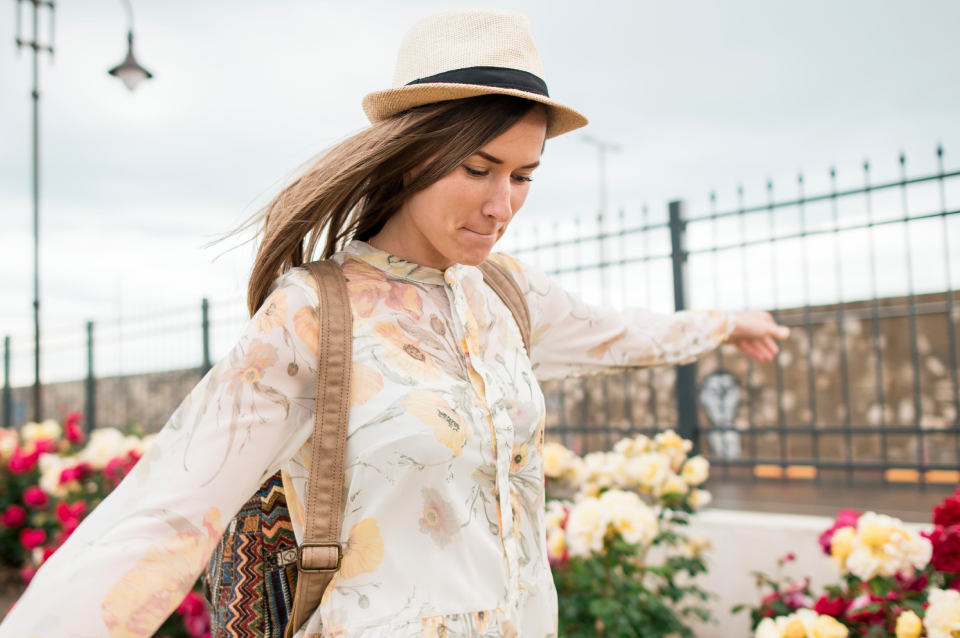
Dressing appropriately is both respectful and practical for reducing unwanted attention. Morocco’s dress code expectations are less strict than some Islamic countries but remain more conservative than Western norms.
Essential Guidelines for Women:
- Wear knee-length or longer skirts and pants
- Cover shoulders with t-shirts, tunics, or cardigans
- Avoid transparent or sheer clothing without layering
- Skip tight-fitting clothes that draw attention to body shape
- In coastal tourist areas, swimwear is acceptable poolside; cover up when walking through towns
- In conservative rural areas, dress even more modestly
- Carry a lightweight scarf for spontaneous mosque visits or cultural sites
Headscarf Etiquette
Wearing a headscarf (hijab) is not required for non-Muslim women tourists. However, covering your hair when entering religious sites or conservative areas shows respect. Keep a lightweight scarf handy for these occasions. Many mosques now provide scarves at entrances for visitors.
Practical Considerations
Dressing appropriately significantly reduces unwanted attention and street harassment. Conservative dress signals respect for local customs and often results in warmer interactions with Moroccan women. Dress for practicality in Morocco’s heat while maintaining modesty—breathable, loose-fitting clothing achieves both goals.
Navigating Social Interactions
Understanding Local Male Attention
Persistent attention from men is the most common challenge women face in Morocco. Understanding its nature helps contextualize and manage it effectively.
Why It Happens: Tourism creates economic opportunities for guides, vendors, and service providers. Attention often stems from business rather than romantic interest. Men may view friendly Western women as potential romantic partners due to media portrayals. Direct eye contact and smiling, while friendly, may be interpreted as romantic interest.
How to Manage It:
- Decline politely but firmly: “La, shukran” (No, thank you) with a closed-off body language
- Avoid prolonged eye contact and smiling at strangers
- Don’t share personal information or show excessive friendliness
- Use headphones and keep walking without stopping
- If advances escalate, speak up loudly and clearly: “Leave me alone” gets attention
- Report serious harassment to police or your accommodation
Building Positive Connections with Moroccan Women
Moroccan women are warm, intelligent, and eager to connect with female travelers. These relationships provide authentic cultural insights and genuine friendship.
How to Connect:
- Frequent female-run shops, cafes, and guesthouses
- Participate in women-focused cooking classes or hammam experiences
- Stay in riads run by Moroccan families
- Join women’s cooperatives creating traditional crafts
- Show genuine interest in their lives and perspectives
- Respect boundaries regarding topics like relationships and marriage
- Exchange contact information and maintain relationships after travel
These connections transform your experience and create meaningful cultural bridges.
Health and Wellness While Traveling
Healthcare Access
Morocco has decent healthcare infrastructure in major cities. Private clinics offer good care; public hospitals are adequate but often crowded. Pharmacies are abundant and knowledgeable. Medications are affordable and often available without prescriptions, though quality varies.
Health Precautions:
- Drink bottled water exclusively; even tap water in major cities may cause digestive issues for travelers
- Eat at reputable restaurants; avoid street food if your digestive system is sensitive
- Get vaccinations before traveling: hepatitis A, hepatitis B, typhoid, and routine immunizations
- Take malaria precautions if visiting southern regions; consult your doctor
- Use sunscreen consistently; the African sun is intense
- Stay hydrated in Morocco’s heat; carry water always
Menstrual Health
Plan for your period while traveling. Tampons are available but limited in selection. Birth control pills are available with prescriptions. Communicate with accommodation staff discreetly about laundry facilities. Many Moroccan women use pads, so availability is reliable. Pack comfort items and pain relievers you prefer.
Reproductive Health
If you’re on contraception, carry adequate supplies. Condoms are available but not widely publicized. Abortion is illegal except in limited medical circumstances. If a sexual assault occurs, seek immediate medical attention; access to emergency contraception varies.
Mental Health and Wellness
Solo travel, while empowering, can be emotionally challenging. Combat loneliness by staying connected with friends back home, journaling, and seeking community with other travelers. If you experience anxiety or depression, contact your accommodation or seek professional counseling—quality mental health services exist in major cities.
Practical Tips and Recommendations
Money and Financial Safety
- Carry multiple payment methods: credit cards, ATM cards, and small amounts of cash
- Use ATMs during daylight in busy areas; avoid isolated machines
- Never display large amounts of cash
- Inform your bank of travel dates to prevent card blocks
- Consider a money belt or hidden pouch for important documents and backup funds
- Bargain in souks but avoid appearing wealthy through excessive cash displays
Communication and Connectivity
- Purchase a local SIM card at the airport for reliable, affordable data and calling
- Keep important contacts written down separately from phone
- Register with your embassy’s travel program
- Share your itinerary with trusted contacts back home
- Use WhatsApp, messaging apps, and email for inexpensive international communication
- Disable location services to protect privacy
Navigating Medinas and Markets
- Explore medinas during daylight hours, preferably not alone
- Hire a local guide for unfamiliar areas; the cost is minimal and support is invaluable
- Keep a map and understand general directions
- Avoid displaying expensive cameras, jewelry, or phones
- Stay alert but not paranoid; thousands of women navigate Moroccan medinas daily without incident
- Trust your instincts about where to go and where to avoid
Bargaining as a Woman
Shop owners sometimes inflate prices for female travelers. Research typical costs before negotiating. Bargain good-naturedly without aggression. It’s acceptable to walk away if prices don’t suit you. Establishing rapport—learning Arabic phrases, showing genuine interest—often results in fairer prices. Bargaining is expected; starting at 50-60% of asking price is normal.
Solo Dining and Social Experiences
Eating alone in restaurants is perfectly acceptable and normal. Choose restaurants with other tourists or families to feel more comfortable. Cafes are ideal for solo travelers wanting to observe local life. Join group tours for meals with other travelers, reducing isolation. Most Moroccan restaurants welcome solo diners; loneliness is your responsibility to manage, not theirs.
Adventure Activities
Morocco offers incredible adventures—desert camping, mountain trekking, surfing, and camel riding. Book through reputable operators with excellent reviews. Inform someone of your location and expected return. Women-specific adventure tours exist if you prefer female-only groups. Guides are professional and knowledgeable; embrace these experiences confidently.
Essential Cultural Knowledge for Female Travelers
Religious Respect
Islam is integral to Moroccan identity. During prayers, many shops close. Avoid entering mosques without permission (Hassan II Mosque in Casablanca welcomes non-Muslim visitors). During Ramadan, eating, drinking, or smoking publicly during fasting hours is disrespectful. Participate in the festive iftar (breaking the fast) if invited—it’s a profound cultural experience. Dress modestly near mosques and religious sites.
Family and Marriage
Family is central to Moroccan culture. Moroccan women’s roles, while modernizing, traditionally center on family. Some men may ask about your marital status and children; these are standard conversational topics, not inappropriate questions. Respect that traditional gender roles remain important in many families. Moroccan women face different expectations than Western women; avoid judgment about their choices.
Gender Dynamics
Morocco is more gender-equal than some Islamic nations but more traditional than many Western countries. Women work, own businesses, and participate in public life. However, leadership remains male-dominated, and domestic labor traditionally falls to women. Women traveling unaccompanied may be viewed as unusual; explain your independence as a modern choice, not a rejection of marriage or family.
Hospitality and Gratitude
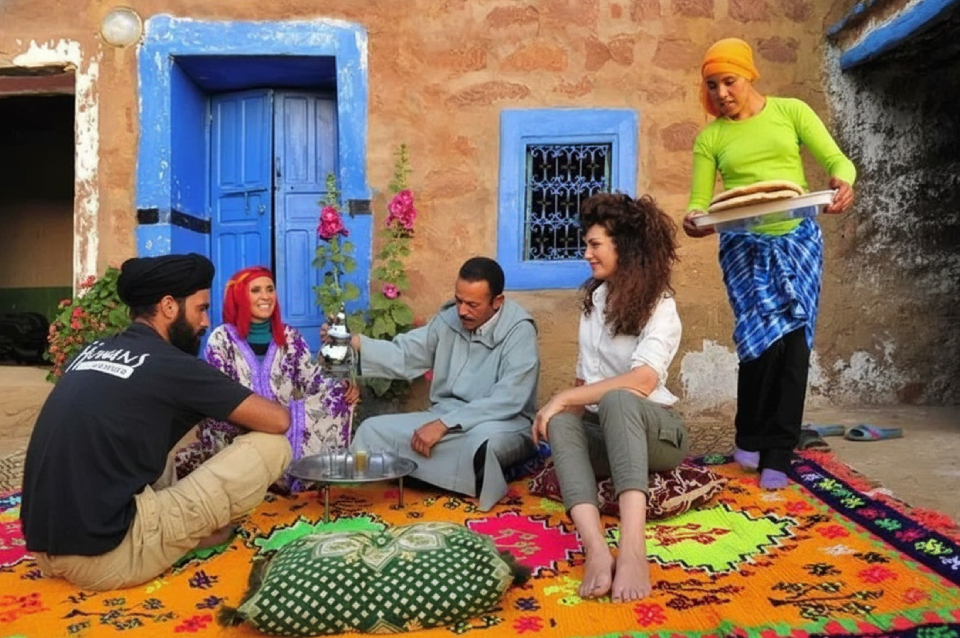
Moroccan hospitality is legendary. Accept tea, food, and invitations graciously. Refusing is considered impolite. If you can’t eat something, take a small portion and taste it. Thank hosts sincerely; gratitude is deeply valued. Small gifts from your country are appreciated. Genuine appreciation for kindness receives warm responses.
Recommended Destinations for Female Travelers
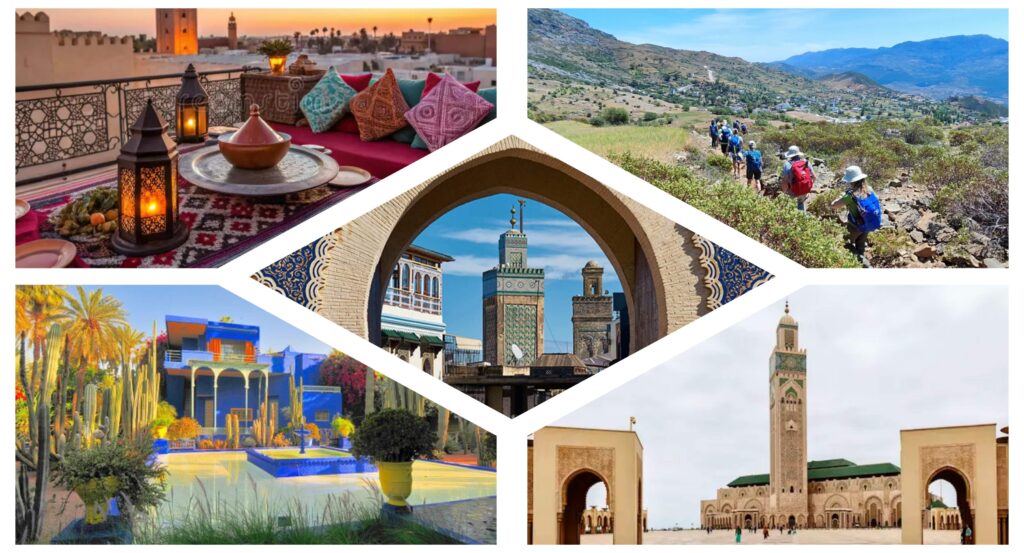
Marrakech
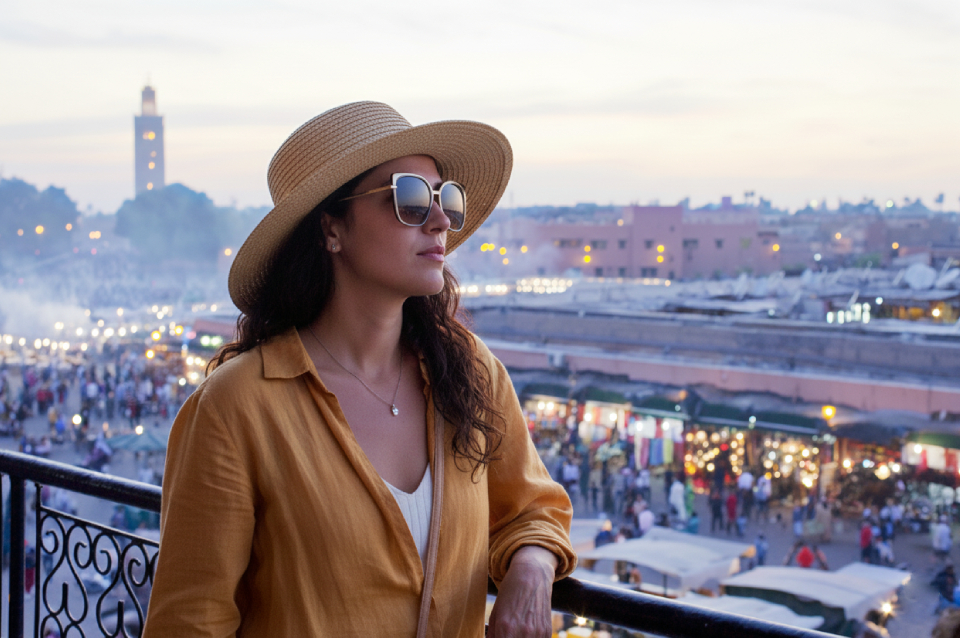
A vibrant, tourist-friendly city with stunning architecture, bustling medinas, and excellent restaurants. The Jemaa el-Fnaa square pulses with energy. Women feel relatively safe in established tourist areas. Excellent riads and hotels cater specifically to international guests.
Essaouira
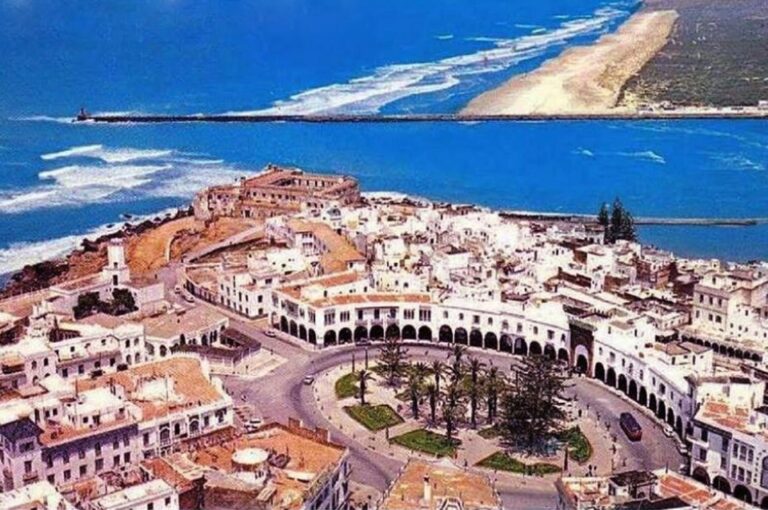
A coastal city with a more relaxed, creative vibe. The beach and waterfront promenade are beautiful. Less aggressive hawking than inland medinas. Strong art and music scene. Female travelers report feeling comfortable here.
Fez
Home to one of the world’s oldest universities and a magnificent medina. The old city is a UNESCO World Heritage Site. More traditional and less touristy than Marrakech, it requires more cultural awareness. Hiring a guide is advisable.
Atlas Mountains and Berber Villages
Trekking through the Atlas Mountains offers stunning natural beauty and authentic Berber culture. Multi-day treks with professional guides provide safe, enriching experiences. Village homestays offer genuine cultural immersion.
Sahara Desert
Desert camps provide transformative experiences under star-filled skies. Camel treks and overnight camping are popular. Book through reputable operators. Women travelers are well-accommodated; many camps have female staff.
Tangier
A historic port city blending Moroccan, Spanish, and international influences. Bustling medina and interesting history. Relatively safe for female travelers with standard precautions.
Insider Tips for Optimal Experience
Connect with Other Female Travelers
Join Facebook groups dedicated to female travelers in Morocco. Attend meetups in major cities. Exchange contact information with other women you meet. Building community transforms travel from isolating to empowering.
Embrace the Unexpected
Plan your route but leave room for spontaneity. The best travel memories often emerge from unplanned encounters. Stay flexible and open to experiences you didn’t anticipate.
Learn the Language
Even basic Arabic phrases transform interactions. “Assalamu alaikum,” “Shukran,” and “Labas?” go remarkably far. Moroccans appreciate genuine efforts more than perfect pronunciation.
Support Women Entrepreneurs
Shop at female-owned businesses. Stay in women-run riads. Book cooking classes and tours led by women. Your tourism dollars directly support women’s economic independence and advancement.
Invest in a Good Guide
Hiring local guides, particularly female guides, enriches your experience immeasurably. They provide safety, cultural context, and authentic access to places you’d miss alone.
Document Your Journey
Keep a journal or blog. Photography captures memories but journaling captures emotions and insights. Your reflections deepen throughout your travels and become treasured keepsakes.
Conclusion: Empowerment Through Preparation and Respect
Traveling to Morocco as a woman is profoundly empowering. This beautiful country welcomes female explorers with open arms, offering transformative experiences, stunning landscapes, and meaningful human connections. While challenges exist—unwanted attention, cultural differences, logistical considerations—they are entirely manageable through preparation, awareness, and confidence.
The women who thrive in Morocco approach travel with open hearts, clear boundaries, and genuine respect for local culture. They dress appropriately, interact respectfully, ask before photographing, accept hospitality graciously, and maintain awareness without paranoia. They hire guides, travel in groups when comfortable, trust their instincts, and embrace adventure.
Morocco will test your confidence and expand your worldview. You’ll navigate bustling medinas, bargain with shopkeepers, share mint tea with Moroccan women, watch sunsets over the Sahara, and discover strength within yourself. You’ll return home transformed—more confident, more culturally aware, more capable than you left.
The Moroccan people, despite stereotypes suggesting otherwise, are generally welcoming to respectful female travelers. Moroccan women navigate these same streets, medinas, and social complexities daily. By honoring their culture, respecting their customs, and approaching interactions with genuineness, you become not a tourist but a guest—welcomed, respected, and embraced.
Your journey to Morocco awaits. Prepare thoughtfully, travel respectfully, and embrace the adventure with confidence. This remarkable country will reward your open mind and respectful spirit with memories, friendships, and personal growth that will define you for years to come.
Bon voyage—or as Moroccans say, “Baslama!” (Safe travels!)
FAQs
1: Is it safe for women to travel alone in Morocco, and what precautions should solo female travelers take?
Yes, Morocco is safe for solo female travelers, with millions of women visiting annually and reporting positive experiences. However, safety requires awareness and preparation. Key precautions include choosing secure accommodations with positive reviews from female travelers, informing your accommodation of daily plans, using official transportation, avoiding nighttime solo walks, dressing conservatively, and maintaining clear boundaries with strangers. Stay connected with friends at home through regular check-ins, use reliable transportation, and trust your instincts about situations and people. Join online communities of female travelers for real-time advice and recommendations. Solo travel to Morocco is empowering; most women return having had life-changing, positive experiences with minimal serious incidents.
2: How do I handle unwanted attention and catcalling from men in Morocco?
Unwanted attention is the most common challenge, though typically harmless. Respond with firm, confident refusals: “La, shukran” (No, thank you) with closed-off body language and continued walking. Avoid prolonged eye contact, smiling at strangers, or engaging in friendly conversation with unfamiliar men, as these may be misinterpreted as romantic interest. Use headphones and keep moving. Dress conservatively to reduce attention. If someone becomes aggressive or inappropriate, speak loudly and clearly, attracting attention from others. Remove yourself from the situation immediately. For serious harassment, report to police or your accommodation staff. Remember, most Moroccan men are respectful; persistent attention reflects tourism economics and cultural differences rather than inherent danger. Your confident demeanor significantly reduces unwanted interactions.
3: What should I wear to stay safe and respect local culture while remaining comfortable in Morocco’s heat?
Wear lightweight, loose-fitting clothing that covers shoulders and reaches below the knees. Opt for breathable fabrics like cotton and linen in neutral colors that don’t attract attention. Pack long pants, knee-length or longer skirts, tunics, and cardigans that cover shoulders without adding excessive heat. Bring a lightweight scarf for religious sites and conservative areas. In coastal tourist zones, swimwear is acceptable poolside; cover up when walking through towns. Sunglasses and wide-brimmed hats protect from intense sun while providing psychological distance from others. Comfortable walking shoes are essential; avoid flip-flops in medinas. Your conservative dress signals respect, reduces unwanted attention, and often results in warmer interactions with Moroccan women who appreciate cultural respect.
4: How do I respectfully engage with Moroccan culture and build genuine connections with local women?
Approach Moroccan culture with humility, curiosity, and respect. Learn basic Arabic phrases; Moroccans deeply appreciate visitors’ efforts to speak their language. Ask permission before photographing people. Participate in cultural experiences like hammam visits, cooking classes, and tea ceremonies. Show genuine interest in Moroccan women’s perspectives, challenges, and daily lives. Frequent female-run businesses and cooperatives. Stay in family-run riads where you interact with Moroccan women directly. Be respectful of traditional values while understanding modernization is occurring. Avoid criticizing customs or comparing Morocco unfavorably to your country. Listen more than you speak. Genuine respect and curiosity open doors to meaningful friendships that transcend the typical tourist experience. Many women report lifelong connections formed through culturally sensitive engagement.
5: What health and safety preparations should I make before traveling to Morocco as a woman?
Before traveling, obtain travel insurance with comprehensive medical coverage and female-specific options. Get vaccinations for hepatitis A, hepatitis B, typhoid, and routine immunizations; consult your doctor about malaria prophylaxis for southern regions. Carry prescription medications in original containers with doctor’s letters. Pack a comprehensive first-aid kit, sunscreen, and preferred menstrual products. Register with your country’s embassy. Inform trusted contacts of your itinerary and check-in schedule. Obtain an International Driving Permit if renting a car. Purchase a local SIM card upon arrival for reliable communication. Keep copies of important documents separate from originals. Understand that Morocco has decent healthcare in major cities; private clinics offer good care at affordable prices. Drink bottled water exclusively and eat at reputable restaurants. Carry a personal safety app on your phone. These preparations ensure you’re equipped for emergencies while maintaining peace of mind.