Top Coastal Towns to Visit in Morocco: A Complete Travel Guide
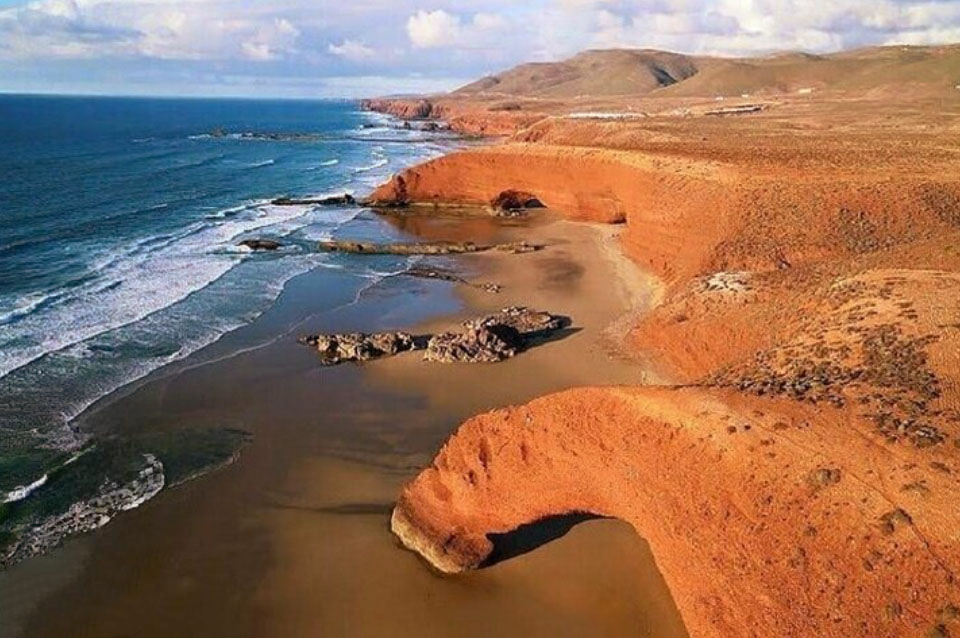
Morocco’s Atlantic and Mediterranean coastlines stretch over 3,500 kilometers, offering travelers a captivating blend of ancient medinas, golden beaches, world-class surf breaks, and vibrant fishing ports. From the bohemian charm of Essaouira to the cosmopolitan energy of Casablanca, Morocco’s coastal towns provide an unforgettable journey where African, Arab, and European influences converge against the backdrop of crashing waves and salty sea air.
Why Visit Morocco’s Coastal Cities?
Morocco’s coastal destinations offer a refreshing counterpoint to the country’s famous imperial cities and desert landscapes. Here, you’ll discover a more relaxed pace of life, fresh seafood grilled daily at harbor-side restaurants, and opportunities for water sports ranging from surfing to kiteboarding. The coastal climate remains moderate year-round, making these towns perfect escapes from the intense summer heat of inland Morocco or ideal winter sun destinations for European travelers.
Essaouira: The Wind City of Morocco
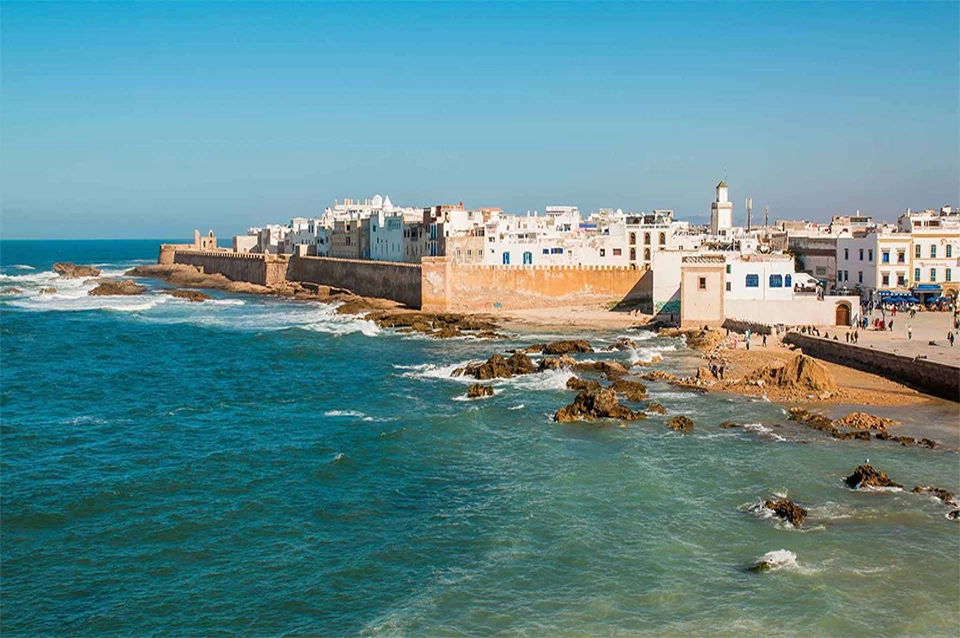
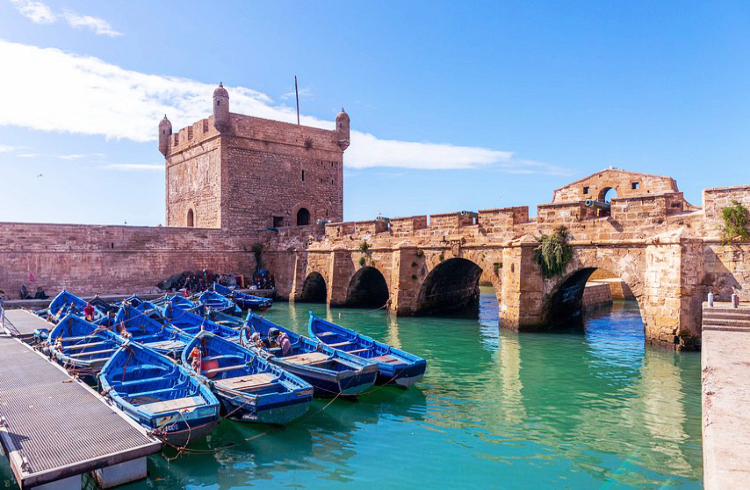
Essaouira stands as Morocco’s most enchanting coastal gem, where historic ramparts meet endless beaches and trade winds create perfect conditions for windsurfing. This UNESCO World Heritage site captivates visitors with its whitewashed buildings accented by bright blue shutters, a testament to the town’s Portuguese colonial past.
The medina of Essaouira feels remarkably different from other Moroccan cities. Its grid-like layout makes navigation simple, while art galleries, boutique shops, and woodworking cooperatives line the streets. Local artisans craft beautiful items from thuya wood, a fragrant tree native to the region. The mellah, or historic Jewish quarter, reflects Essaouira’s multicultural heritage, which once made it one of Morocco’s most cosmopolitan ports.
At the bustling port, blue fishing boats bob in the harbor while fishermen mend nets and seagulls circle overhead. The daily catch arrives each afternoon, and you can enjoy grilled sardines, calamari, and prawns at casual seafood stalls right on the harbor. For adventurous eaters, the fish market offers an authentic glimpse into local life.
Essaouira’s beaches stretch for miles in both directions. The main town beach provides easy access with rentals for surfboards, bodyboards, and beach chairs. For experienced windsurfers and kitesurfers, the consistent afternoon winds create ideal conditions from March through October. Beginners can take lessons at numerous schools dotting the beachfront.
The town hosts the annual Gnaoua World Music Festival each June, transforming Essaouira into a vibrant celebration of traditional Gnaoua music mixed with jazz, blues, and contemporary sounds. Even outside festival season, live music spills from cafes and restaurants most evenings.
Getting there: Essaouira sits approximately 175 kilometers west of Marrakech, accessible by bus (3 hours) or private transfer. The closest airport is in Marrakech.
Agadir: Morocco’s Modern Beach Resort
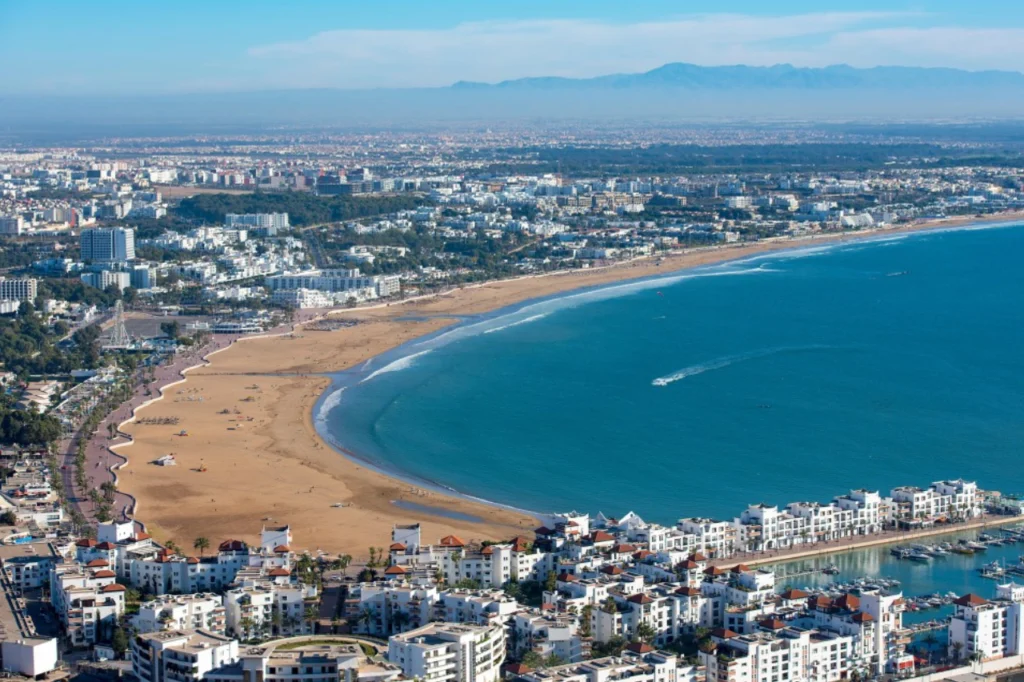
Agadir represents Morocco’s answer to Mediterranean beach resorts, offering expansive sandy beaches, modern infrastructure, and year-round sunshine. After a devastating earthquake in 1960 destroyed the old city, Agadir rebuilt itself as a contemporary resort destination, prioritizing tourism development and beach access.
The crescent-shaped bay features a magnificent 10-kilometer beach with fine golden sand. Unlike many Moroccan beaches, Agadir’s waterfront maintains a clean, well-maintained appearance with a paved promenade perfect for walking, jogging, or cycling. Beach clubs provide loungers, umbrellas, and watersports equipment, while traditional Moroccan hammams offer relaxation after a day in the sun.
The modern marina, completed in recent years, has transformed Agadir’s waterfront with upscale restaurants, shops, and yacht berths. You can arrange fishing excursions, dolphin watching tours, or sunset cruises from here. The marina district feels distinctly European in character, with palm-lined walkways and contemporary architecture.
Souk el Had, Agadir’s massive market, operates six days weekly (closed Mondays) and provides an authentic Moroccan shopping experience. This sprawling marketplace sells everything from fresh produce and spices to leather goods and traditional crafts. Arrive early to avoid crowds and heat.
For history enthusiasts, the Kasbah ruins overlooking the city offer panoramic views and a reminder of Agadir’s pre-earthquake past. The climb takes about 20 minutes, rewarding visitors with stunning vistas across the bay, particularly at sunset.
Paradise Valley, located 60 kilometers north of Agadir, makes an excellent day trip. This palm-filled oasis features natural pools and waterfalls nestled between rocky cliffs, providing a refreshing contrast to the coastal heat.
Getting there: Agadir has its own international airport (Agadir-Al Massira) with connections to European cities and Moroccan destinations. The city sits approximately 508 kilometers southwest of Marrakech.
Casablanca: Morocco’s Commercial Capital by the Sea
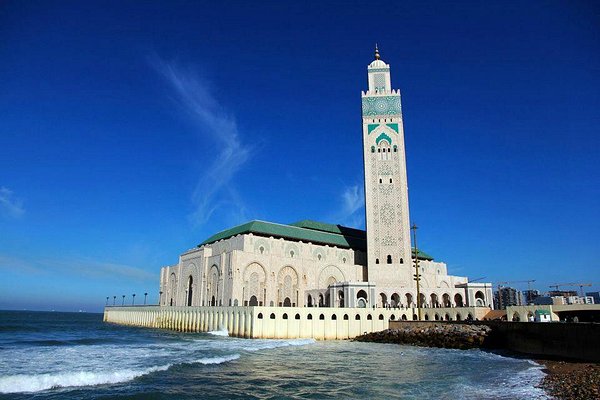
Casablanca, Morocco’s largest city and economic powerhouse, surprises visitors with its elegant French colonial architecture, art deco boulevards, and vibrant contemporary culture. While primarily known as a business hub, the city offers compelling attractions for travelers willing to look beyond the Hollywood mystique.
The Hassan II Mosque dominates Casablanca’s waterfront as one of the world’s largest mosques, with its minaret reaching 210 meters into the sky. This architectural masterpiece, completed in 1993, features stunning tile work, carved cedar ceilings, and marble floors. Unlike most Moroccan mosques, non-Muslims can visit through guided tours (available several times daily except Friday mornings), providing rare insight into Islamic architecture and craftsmanship.
The Corniche, Casablanca’s beachfront district, stretches along the Atlantic coast with beaches, swimming pools, restaurants, and nightclubs. While not as pristine as Agadir’s beaches, the Corniche provides a lively atmosphere where locals and visitors mingle. The area comes alive particularly in summer months and on weekends.
The old medina, though smaller than those in Fes or Marrakech, retains an authentic character often missing from more touristy destinations. Here, daily life proceeds much as it has for centuries, with narrow lanes housing small shops, traditional bakeries, and local cafes. The Place des Nations Unies marks the transition between the modern ville nouvelle and the historic medina.
Casablanca’s art deco heritage deserves exploration for architecture enthusiasts. The downtown area features numerous buildings from the 1920s and 1930s, showcasing the elegant French colonial style mixed with Moroccan motifs. The Quartier Habous (New Medina), built by the French in the 1930s, combines traditional Moroccan architecture with planned urban design.
Rick’s Café, inspired by the classic film “Casablanca,” serves as a nostalgic stop for movie fans, though it bears no actual connection to the film (which was shot entirely in Hollywood studios).
Getting there: Mohammed V International Airport serves Casablanca with extensive international and domestic connections. The city connects to other Moroccan destinations via excellent highway and rail networks.
Tangier: Gateway Between Continents
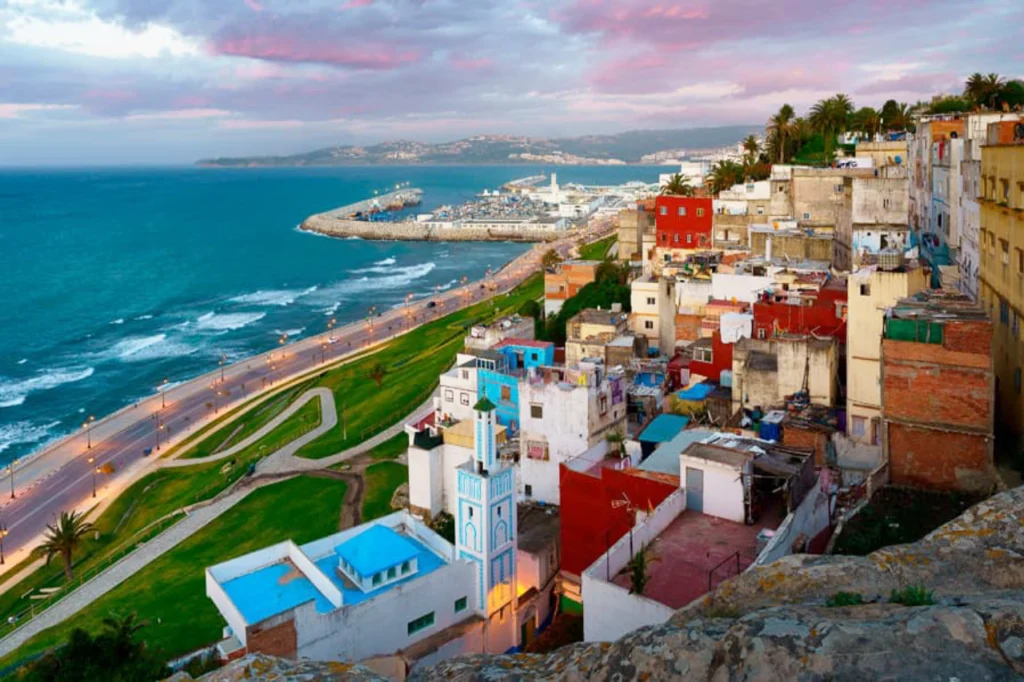
Tangier occupies a strategic position where the Mediterranean meets the Atlantic, making it Morocco’s primary link to Europe. Just 14 kilometers across the Strait of Gibraltar from Spain, this port city pulses with international energy and a cosmopolitan history that attracted writers, artists, and spies throughout the 20th century.
The medina of Tangier cascades down hillsides toward the sea, its whitewashed buildings and blue doors creating a distinctly Mediterranean atmosphere. The Petit Socco, a small square at the medina’s heart, once served as Tangier’s main market and social hub. Today, cafes surrounding the square provide perfect spots for mint tea and people-watching, much as they did when the Beats and other expatriate artists gathered here decades ago.
The Kasbah district, perched at the medina’s highest point, houses the former sultan’s palace (now a museum displaying Moroccan arts and antiquities) and offers spectacular views across the strait to Spain on clear days. The Kasbah’s streets and passages feel quieter than the bustling medina below, with occasional glimpses through archways revealing stunning sea vistas.
Cape Spartel, where the Atlantic Ocean meets the Mediterranean Sea, lies 14 kilometers west of Tangier. The lighthouse here marks this geographic junction, while nearby Hercules Caves provide legendary atmosphere (though heavily touristic). The coastline stretching south from Cape Spartel features increasingly wild and beautiful beaches.
Tangier’s Ville Nouvelle showcases elegant French colonial architecture along wide boulevards. The Gran Teatro Cervantes, though currently closed, represents the city’s artistic golden age, while numerous cafes maintain literary connections to visitors like Paul Bowles, Tennessee Williams, and William S. Burroughs.
The port handles massive ferry traffic between Morocco and Spain, creating constant movement and energy. New marina developments and waterfront renovations continue transforming Tangier into a modern Mediterranean destination while preserving historic character.
Getting there: Tangier has an international airport (Tangier Ibn Battouta) with European connections. Frequent ferries connect Tangier to Tarifa and Algeciras in Spain (crossings take 35 minutes to 2 hours).
Asilah: The Artist’s Paradise
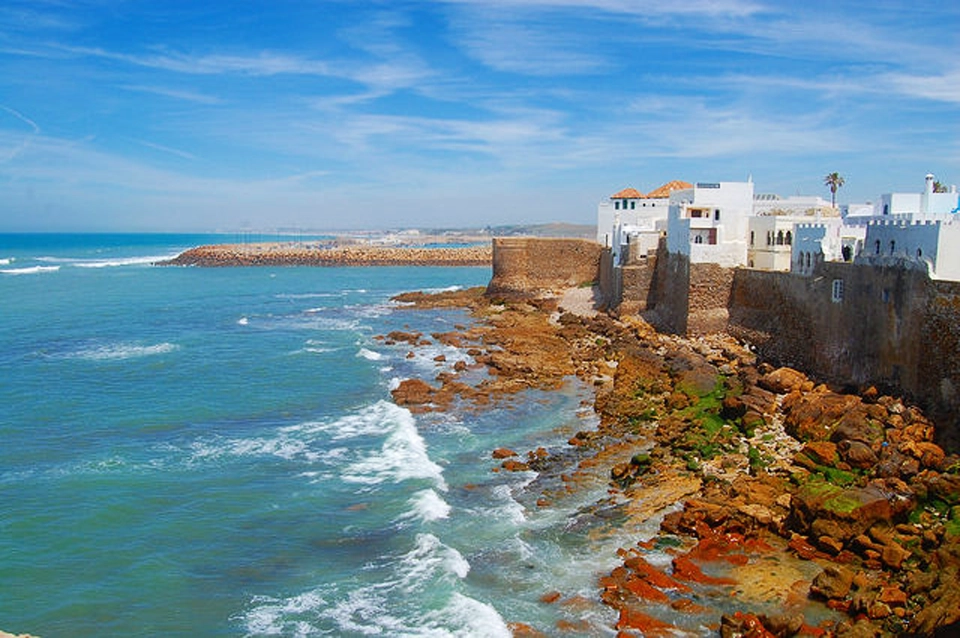
Asilah, a charming coastal town 46 kilometers south of Tangier, presents a more intimate alternative to larger Moroccan cities. This small town gained international attention for its annual arts festival and the tradition of inviting artists to create murals throughout the medina, transforming white walls into outdoor galleries.
The Portuguese fortifications, built in the 15th century, define Asilah’s character. Walking the ramparts provides beautiful views of the Atlantic and the medina’s whitewashed houses below. The fortifications remain remarkably well-preserved, creating atmospheric passages and towers to explore.
Every summer, the International Cultural Moussem of Asilah draws artists, musicians, and intellectuals from around the world. During the festival, artists paint new murals on medina walls, musicians perform in squares and courtyards, and the small town swells with creative energy. Outside festival season, Asilah maintains a peaceful, artistic atmosphere that attracts visitors seeking tranquility.
The main beach, Plage d’Asilah, stretches north of the medina with fine sand and generally calm waters suitable for swimming. The beach remains relatively uncrowded compared to larger resort towns, offering authentic Moroccan beach culture where families picnic and locals play soccer at sunset.
Asilah’s medina feels refreshingly compact and navigable. The main street, lined with art galleries, craft shops, and cafes, runs through the center. The Spanish Chapel and Paradise Beach lie just outside town, accessible by a pleasant coastal walk.
Getting there: Asilah connects to Tangier by regular trains (45 minutes) and buses. The town makes an easy day trip from Tangier or a worthwhile overnight stop.
El Jadida: Portuguese Heritage by the Sea
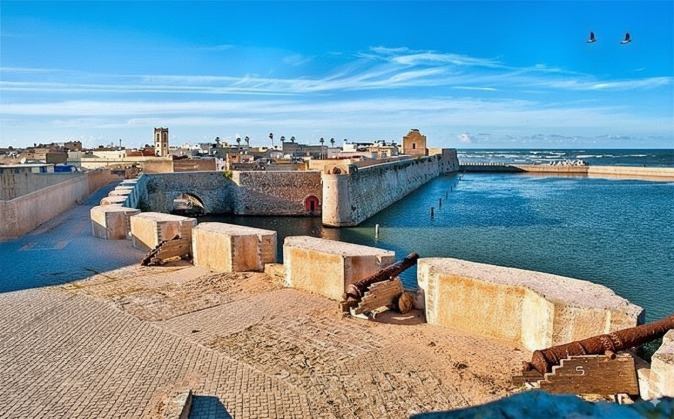
El Jadida, known historically as Mazagan, preserves one of Morocco’s most impressive Portuguese colonial legacies. The Portuguese Fortified City, a UNESCO World Heritage site, offers a fascinating glimpse into 16th-century military architecture and colonial life.
The Portuguese Cistern stands as El Jadida’s most remarkable sight. This underground water reservoir, with its vaulted Gothic ceiling reflected in shallow water covering the floor, creates an almost mystical atmosphere. The cistern gained wider fame when Orson Welles used it as a location in his film “Othello.”
The ramparts encircling the old Portuguese city remain remarkably intact, allowing visitors to walk the perimeter and imagine the Portuguese garrison’s isolated existence on the Moroccan coast. The bastions and gates showcase Renaissance military engineering adapted to local conditions.
Outside the fortified city, El Jadida has developed into a popular beach destination for Moroccan families, particularly those from nearby Casablanca. The beaches stretch for kilometers, offering space even during busy summer months. Beach clubs and restaurants line the waterfront, serving excellent fresh seafood.
Sidi Bouzid Beach, located a few kilometers south of town, attracts surfers with more consistent waves than the main town beach. The area maintains a low-key atmosphere, with simple restaurants serving grilled fish and tagines.
Getting there: El Jadida sits approximately 100 kilometers south of Casablanca, accessible by bus or grand taxi (shared taxis). Regular trains connect to nearby Azemmour, followed by a short taxi ride.
Oualidia: The Oyster Capital
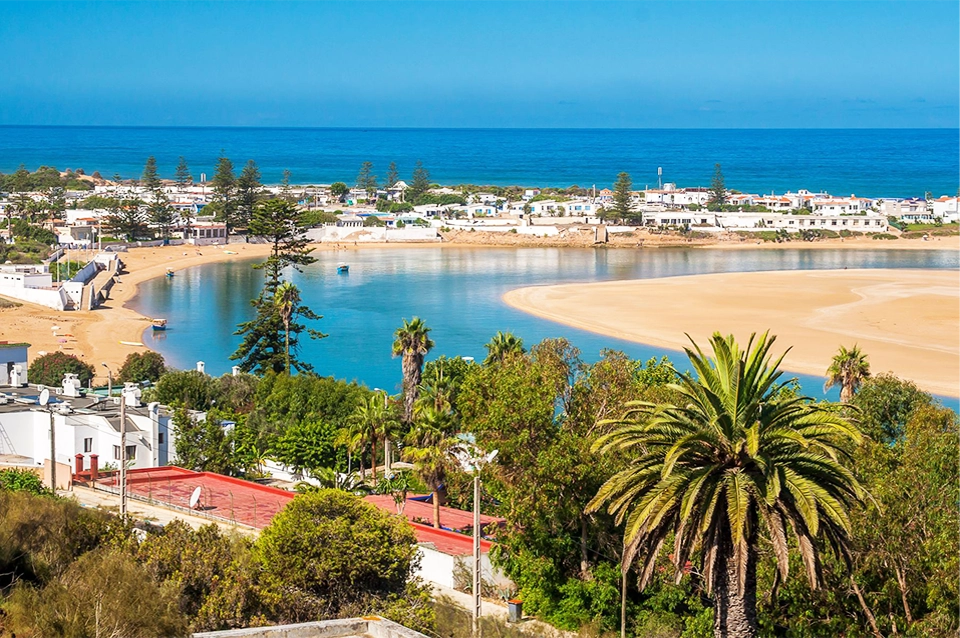
Oualidia, a tiny coastal village between El Jadida and Essaouira, offers one of Morocco’s most unique natural settings. A sheltered lagoon, protected from the Atlantic by a natural breakwater of rocks, creates calm waters perfect for swimming, kayaking, and oyster farming.
The lagoon’s oyster beds produce some of Morocco’s finest oysters, available fresh at waterfront restaurants throughout town. Most establishments serve them raw or grilled with lemon, accompanied by white wine. The oyster farms welcome visits, allowing tourists to see the cultivation process and taste oysters in their natural environment.
Water sports dominate activities in Oualidia. The calm lagoon provides ideal conditions for learning to surf, kayak, or paddleboard. Several operators offer equipment rentals and lessons. At low tide, you can walk far out into the lagoon, exploring tide pools and watching birds.
Bird watching attracts enthusiasts year-round, with the lagoon serving as an important stopover for migratory birds. Flamingos, herons, egrets, and numerous shorebirds feed in the shallow waters, particularly during spring and autumn migrations.
Oualidia remains wonderfully undeveloped compared to Agadir or even Essaouira, with just a handful of hotels and guesthouses. This limited accommodation keeps crowds manageable and preserves the village’s tranquil character. The beach beyond the lagoon offers wilder Atlantic swimming for experienced swimmers.
Getting there: Oualidia lies roughly midway between Casablanca and Essaouira along the coastal road. Buses traveling between these cities stop in Oualidia, though schedules can be unpredictable. Private transport provides more flexibility.
Saidia: The Blue Pearl of the Mediterranean
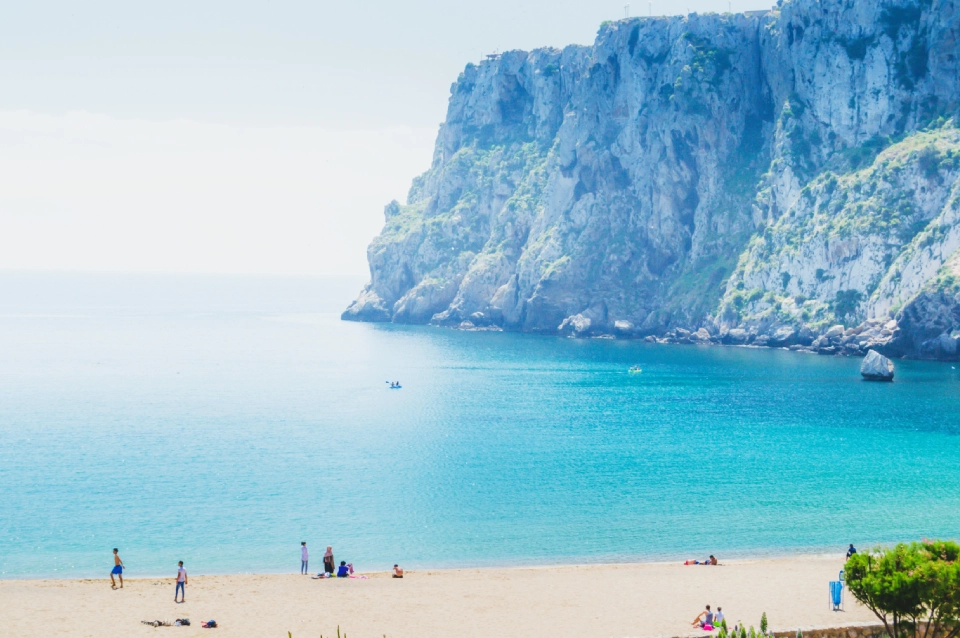
Saidia, situated on Morocco’s Mediterranean coast near the Algerian border, represents one of the country’s newest resort developments. The town offers a different coastal experience from Atlantic destinations, with calmer, warmer Mediterranean waters and extensive beach development.
The beach stretches for 14 kilometers of fine golden sand, making it one of Morocco’s longest. The waterfront has seen significant investment in recent years, with resort hotels, golf courses, and a marina transforming Saidia into a modern Mediterranean destination. The development aims to attract European tourists seeking winter sun and Moroccan families during summer months.
Saidia Marina provides mooring for yachts alongside restaurants, cafes, and shops. The marina district feels contemporary and somewhat European in character, contrasting with traditional Moroccan towns. This modern development appeals to visitors seeking resort-style amenities and services.
The Moulouya River, which forms the border with Algeria just east of Saidia, creates an important wetland ecosystem attracting birdwatchers. The Moulouya estuary hosts numerous migratory birds, including flamingos, spoonbills, and various waders.
Getting there: The nearest airport is Oujda Angads Airport, approximately 60 kilometers from Saidia. Buses connect Saidia to Oujda and other eastern Moroccan cities.
Al Hoceima: The Mediterranean Gem
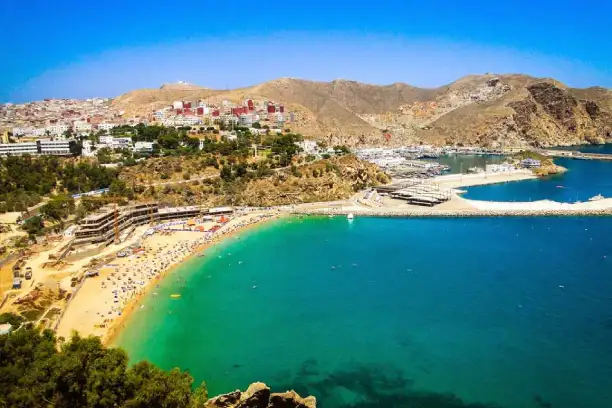
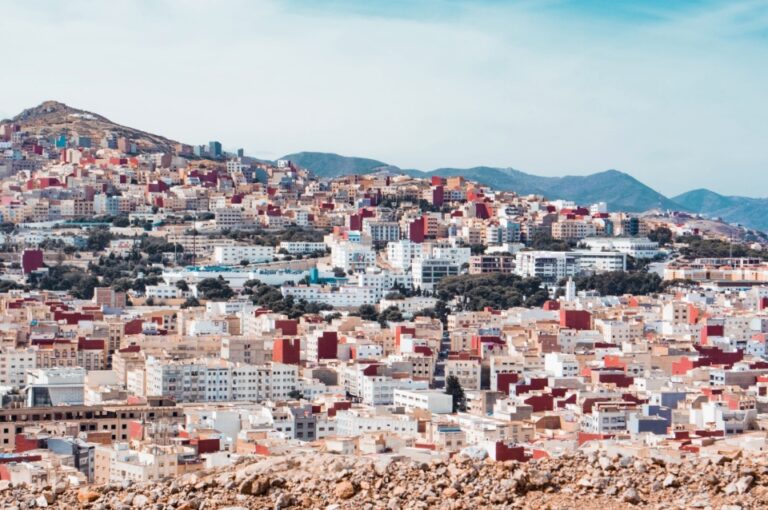
Al Hoceima occupies a spectacular setting on Morocco’s northern Mediterranean coast, where mountains plunge dramatically into turquoise waters. This region, known as the Rif, offers stunning natural beauty with pine-covered slopes meeting pristine beaches and rocky coves.
The town itself has a relaxed, provincial character distinctly different from Morocco’s Atlantic coastal cities. Spanish colonial influence remains visible in architecture and layout, reflecting Al Hoceima’s history as part of Spanish Morocco until independence.
Al Hoceima National Park protects much of the surrounding coastline and mountains, preserving habitat for Barbary macaques, various bird species, and diverse Mediterranean flora. The park includes several beautiful beaches accessible by road or boat, including Plage Quemado and Plage Tala Youssef.
The beaches around Al Hoceima feature crystal-clear waters and dramatic cliff backdrops. While less developed for tourism than southern coastal towns, this relative isolation preserves natural beauty and authentic local culture. Swimming, snorkeling, and diving reveal Mediterranean marine life in uncommonly clear waters.
The region’s Berber culture remains strong, with Tarifit (a Berber language) widely spoken and traditional customs preserved. Local markets sell distinctive regional products including olive oil, goat cheese, and handicrafts not commonly found elsewhere in Morocco.
Getting there: Al Hoceima has a small airport (Cherif Al Idrissi Airport) with limited domestic flights. Buses connect to Fes, Tangier, and other northern cities, though journeys can be lengthy due to mountainous terrain.
Practical Information for Visiting Morocco’s Coast
Best Time to Visit
Morocco’s coastal climate varies between Atlantic and Mediterranean shores. Atlantic coast destinations like Essaouira, Agadir, and Casablanca enjoy mild temperatures year-round, though summer brings crowds and higher prices. Spring (March to May) and autumn (September to November) offer ideal conditions with moderate temperatures, fewer tourists, and pleasant sea temperatures.
Mediterranean destinations like Tangier, Saidia, and Al Hoceima experience hotter summers and cooler winters than Atlantic towns. Summer (June to August) brings peak season with warm waters and lively atmosphere, while spring and autumn provide comfortable temperatures for sightseeing.
Winter (December to February) brings mild weather to southern coastal towns like Agadir, making them popular winter sun destinations for Europeans. Northern coastal cities experience cooler, rainier weather during winter months.
Getting Around
Trains connect major coastal cities including Casablanca, Tangier, and stations near El Jadida. Morocco’s national railway company (ONCF) operates modern, comfortable trains with reasonable fares. Booking in advance online or at stations ensures seat availability.
Buses serve all coastal towns, with companies like CTM and Supratours offering comfortable, reliable service between major destinations. Smaller coastal villages may have less frequent bus service, requiring flexibility with schedules.
Grand taxis (shared taxis) provide faster connections between nearby towns, typically departing when full with six passengers. While quicker than buses, they cost more per person and can feel cramped.
Rental cars offer maximum flexibility for exploring coastal areas at your own pace, particularly for reaching smaller towns like Oualidia or secluded beaches. Major rental companies operate in cities and airports. Driving in Morocco requires attention to local traffic patterns, but major highways remain generally good quality.
Within towns, petit taxis (color varies by city) provide inexpensive transport. They use meters in most cities, though confirming this before departure prevents disputes. Walking remains the best way to explore medinas and compact coastal towns.
Accommodation Options
Morocco’s coastal towns offer accommodation ranging from budget hostels to luxury resorts. Riads (traditional Moroccan houses converted to guesthouses) provide authentic experiences in medinas, typically offering more character and personal service than hotels. Many coastal riads feature roof terraces with sea views.
Hotels range from simple budget options to international chains in cities like Casablanca and Agadir. Beach resorts predominate in Agadir and Saidia, offering all-inclusive packages during peak season.
Guesthouses and bed-and-breakfasts in smaller towns like Asilah and Oualidia provide intimate, often family-run accommodation with local knowledge and home-cooked meals.
Booking ahead becomes essential during summer months (June to August), major holidays (Eid festivals), and during special events like Essaouira’s Gnaoua Festival. Other times allow for more spontaneous travel.
Food and Dining
Moroccan coastal cuisine centers on fresh seafood, distinguishing it from inland regions. Grilled sardines, calamari, prawns, and fish feature prominently on menus. Port-side restaurants in Essaouira, Agadir, and other fishing towns offer the freshest catches, often grilled over charcoal with simple seasoning.
Traditional Moroccan dishes remain widely available, including tagines (slow-cooked stews), couscous (typically served Fridays), and pastilla (sweet and savory pie, sometimes made with seafood in coastal regions). Harira, a hearty soup, appears on most menus as a starter.
Street food provides delicious, budget-friendly options. Look for stalls selling bocadillo (sandwiches with grilled meats or fish), msemen (flaky flatbread), and fresh orange juice. Food safety generally remains good at busy stalls with high turnover.
Most restaurants accommodate dietary restrictions, though vegetarian options may feel limited compared to meat and seafood. French speakers find menus easier to navigate, as many restaurants provide French translations alongside Arabic.
Tipping customs suggest leaving 10% for table service, though small amounts suffice for casual cafes. Service charges sometimes appear on bills, reducing expected tips.
Cultural Considerations
Morocco’s coastal towns generally feel more relaxed and liberal than conservative inland cities, but respecting local customs enhances experiences and shows courtesy. Modest dress remains appreciated, particularly when visiting medinas or residential neighborhoods. Beaches in tourist areas allow swimwear, though covering up when leaving the beach shows respect.
Photography requires sensitivity, particularly regarding local people. Always ask permission before photographing individuals, and respect refusals. Military installations, police, and airports prohibit photography.
Ramadan, the Islamic holy month of fasting, affects coastal towns like elsewhere in Morocco. Many restaurants close during daylight hours, though tourist-oriented establishments may remain open. Respecting fasting by eating discreetly in public during daylight shows consideration.
Friday, the Islamic holy day, sees reduced business hours for some shops and offices, though tourist areas maintain normal operations. The midday Friday prayers mean mosques close to non-Muslims during this time.
Money and Banking
Morocco’s currency, the Moroccan dirham (MAD), cannot be imported or exported legally, requiring currency exchange upon arrival. ATMs widely available in coastal cities dispense dirhams, typically offering better rates than exchange bureaus. Credit cards work at hotels, restaurants, and shops in tourist areas, though cash remains essential for smaller establishments, markets, and taxis.
Prices in Morocco sometimes appear as fixed and sometimes as negotiable. Fixed-price shops display price tags, while markets and some tourist-oriented shops expect bargaining. Negotiating should remain friendly and good-natured, typically aiming for 30-50% below initial asking prices.
Health and Safety
Morocco’s coastal towns generally maintain good safety levels, with tourist areas seeing regular police presence. Standard travel precautions apply: watch belongings in crowded areas, avoid displaying expensive items, and stay in well-lit areas after dark.
Tap water quality varies, with bottled water recommended for drinking. Most restaurants use filtered or treated water for cooking and ice. Food safety generally remains good, though sticking to busy establishments with high turnover minimizes any risk.
Sun protection requires serious attention along Morocco’s coast, particularly in southern towns like Agadir. Strong sun, reflective sand, and sea breezes can lead to unexpected sunburn. Sunscreen, hats, and sunglasses constitute essential equipment.
Language
Arabic and French function as Morocco’s primary languages, with French widely spoken in tourist areas and cities. English increasingly appears in tourist zones, particularly in Agadir and Casablanca, though knowledge remains limited outside major hotels and tourist services.
Learning basic Arabic greetings and phrases earns warm responses from locals. “Salam alaikum” (peace be upon you), “shukran” (thank you), and “inshallah” (God willing) serve as useful phrases. Darija, Morocco’s Arabic dialect, differs from standard Arabic but shares common greetings and courtesies.
Berber languages, particularly Tarifit in northern coastal regions, remain important regionally, though French and Arabic typically serve for tourist interactions.
Internet and Connectivity
WiFi access appears widely in hotels, riads, cafes, and restaurants across coastal Morocco. Connection quality varies, with cities maintaining generally reliable service while smaller towns may experience slower speeds.
Moroccan SIM cards provide affordable data for travelers with unlocked phones. Major providers (Maroc Telecom, Orange, Inwi) operate shops in cities and towns, selling tourist SIM cards with data packages. Registration requires passport presentation.
Essential Travel Tips

Bargaining etiquette: Markets and souks expect negotiation, but approach bargaining as friendly interaction rather than confrontation. Start at roughly 40-50% of asking price, meet somewhere middle, and be prepared to walk away if prices don’t meet your budget. Remember that small amounts to tourists may represent significant sums to sellers.
Beach safety: Atlantic coast beaches experience strong currents and undertow, particularly near Essaouira and beaches north of Agadir. Swim only at beaches with lifeguards during designated hours, pay attention to flag warnings, and ask locals about safe swimming areas. Mediterranean beaches generally offer calmer conditions.
Respecting religious sites: Morocco’s mosques remain closed to non-Muslims except for the Hassan II Mosque in Casablanca. When visiting this or any religious site, dress modestly (covering shoulders and knees), remove shoes where indicated, and maintain quiet, respectful behavior.
Dealing with touts and guides: Unofficial guides sometimes approach tourists in medinas and tourist areas, offering services. Polite but firm refusal works best. “La shukran” (no thank you) serves as a useful phrase. Licensed guides wear official badges and can be arranged through hotels or tourist offices.
Hammam experience: Traditional Moroccan bathhouses (hammams) offer authentic cultural experiences. Tourist-oriented hammams provide explanations and packages including scrubbing and massage. Traditional local hammams require more knowledge but offer genuine insight into Moroccan culture. Men and women use separate facilities or separate hours.
Market shopping: Medina markets sell everything from spices and food to crafts and clothing. Best purchases include argan oil, spices, leather goods, carpets, ceramics, and traditional clothing. Check quality carefully, compare prices at several stalls, and remember that you’ll need to pack or ship purchases home.
Transportation booking: During peak season and holidays, booking transportation in advance prevents sold-out services. Train tickets can be purchased online through ONCF website, while CTM buses allow online booking. Grand taxis and local buses typically don’t accept advance bookings.
FAQ
Q: What is the best coastal city in Morocco for first-time visitors?
A: Essaouira offers the most accessible and rewarding introduction to Morocco’s coast for first-time visitors. Its compact, walkable medina eliminates navigation stress, while the relaxed atmosphere feels less overwhelming than larger cities. The combination of beaches, historic sites, excellent seafood, and proximity to Marrakech (just 3 hours away) makes Essaouira ideal for visitors seeking authentic Moroccan coastal culture without the intensity of bigger cities. The town also maintains a well-developed tourism infrastructure with English-speaking guides and good accommodation options.
Q: Is it safe to swim at Moroccan beaches?
A: Swimming safety varies significantly between Moroccan beaches. Mediterranean beaches around Tangier, Saidia, and Al Hoceima generally offer calmer, safer conditions than Atlantic coast beaches. Along the Atlantic, beaches near Agadir feature lifeguards and relatively gentle conditions, making them safer for swimming. However, beaches near Essaouira and other northern Atlantic locations experience strong currents, cold water temperatures, and powerful waves that pose risks even for strong swimmers. Always swim at supervised beaches during guarded hours, observe flag warnings (red means no swimming), and ask locals about current conditions before entering the water. Many beaches post warning signs about dangerous currents, and these warnings should be taken seriously.
Q: How many days should I spend exploring Morocco’s coastal cities?
A: A minimum of 7-10 days allows meaningful exploration of Morocco’s diverse coastal regions. A typical itinerary might include 2-3 days in Essaouira, 2 days in Agadir or Casablanca, and 2-3 days in Tangier with a day trip to Asilah. This timeframe allows experiencing different coastal atmospheres without rushing. Two weeks permits more thorough exploration, adding smaller destinations like Oualidia, El Jadida, or ventures along the Mediterranean coast to Al Hoceima. Beach lovers and surf enthusiasts might spend longer in single locations, while city-focused travelers may move more quickly. Consider that Moroccan coastal towns reward slower travel, as much of their appeal lies in daily rhythms, fresh seafood meals, and sunset strolls rather than just sightseeing.
Q: What should I pack for a Morocco coastal vacation?
A: Essential items include lightweight, breathable clothing for hot days, modest cover-ups for leaving beaches, a light sweater or jacket for cooler evenings (particularly in spring and autumn), comfortable walking shoes for medina exploration, and sandals for beaches. Sunscreen with high SPF, sunglasses, and a hat are critical given strong North African sun. A small daypack proves useful for market visits and beach trips. Swimwear is essential, though women may feel more comfortable with one-piece suits or modest two-pieces at local beaches versus resort beaches. Bring any specific medications, as availability varies, and consider a universal power adapter for charging devices (Morocco uses European-style outlets). Finally, a reusable water bottle, snorkel gear if you have it, and a waterproof phone case enhance beach experiences.
Q: Can I visit Morocco’s coastal cities during Ramadan?
A: Yes, visiting Morocco’s coastal cities during Ramadan remains entirely possible and can provide unique cultural insights, though some adjustments help. During daylight hours, most Moroccans fast from food and drink, meaning some restaurants close or serve only takeaway until sunset. Tourist-area restaurants typically remain open but may screen dining areas from street view out of respect for fasting locals. Eating discreetly in public shows consideration. The atmosphere changes dramatically after sunset, when families break fast together and cities come alive with special energy. Many restaurants offer iftar (fast-breaking) meals, and sharing this experience provides memorable cultural connection. Shops and businesses may operate reduced hours, and activities slow during hot afternoons. Coastal tourist zones in places like Agadir and international hotels maintain relatively normal operations. If you visit during Ramadan, embrace the opportunity to experience this important religious observance while respecting local customs through modest dress and public discretion regarding food and drink during