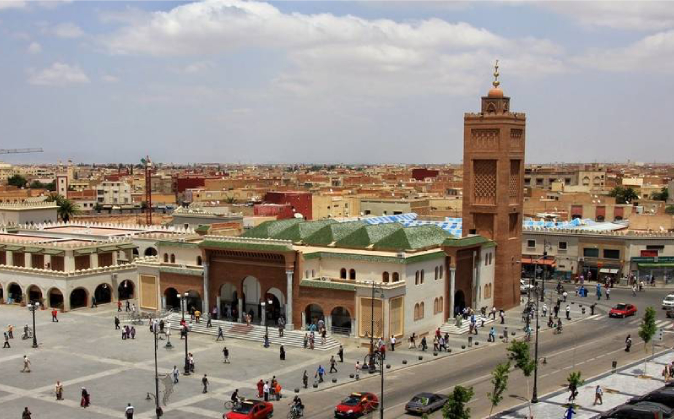
Is Morocco Safe for Tourists? A Complete Guide for First-Time Visitors
Morocco stands as one of North Africa’s most captivating destinations, attracting hundreds of thousands of visitors annually with its unique blend of ancient culture, stunning landscapes, and warm hospitality. The question of safety, however, often concerns first-time travelers. The answer is reassuring: Morocco is generally a safe and welcoming destination for tourists when visitors exercise standard travel precautions and respect local customs.
Safety Overview
Morocco maintains a relatively low crime rate against tourists compared to many other popular travel destinations. Violent crime targeting visitors is exceptionally rare, and the Moroccan government has implemented robust tourism infrastructure to ensure visitor safety. Major tourist areas, including Marrakech, Fes, Casablanca, and the Sahara Desert, are well-patrolled and monitored.
That said, like any travel destination, Morocco has petty theft concerns in crowded marketplaces and busy transport hubs. Pickpocketing and bag snatching can occur in popular souks and tourist areas, particularly in medinas (old city quarters). Understanding potential risks and knowing how to navigate them transforms these concerns from deterrents into manageable aspects of travel planning.
Understanding Moroccan Culture and Customs
Respecting local traditions significantly enhances both your safety and overall travel experience. Morocco is a predominantly Muslim country where Islamic customs and values guide daily life. Dressing modestly, especially in rural areas and religious sites, demonstrates respect and reduces unwanted attention. Women should cover shoulders and knees, while loose-fitting clothing is preferable to tight garments. Men should avoid sleeveless shirts in conservative areas.
During Ramadan, the holy month of fasting observed by Muslims, restaurants may have limited hours, and the atmosphere changes noticeably. Many locals fast from sunrise to sunset, which can affect energy levels and service availability. However, this period offers unique cultural insights and spiritual experiences for respectful visitors.
Learning basic Arabic phrases such as “Assalamu alaikum” (peace be upon you), “Shukran” (thank you), and “Afak” (excuse me) goes remarkably far in building goodwill with locals. Moroccans deeply appreciate efforts to speak their language, even if imperfectly.
Practical Safety Tips for Tourists
Use Registered Taxis and Transportation: Opt for official taxis (identifiable by their color-coded roof signs) or ride-sharing apps like Uber and Careem rather than unmarked vehicles. In larger cities, the petit taxi system is efficient and affordable for short distances, while grand taxis serve longer routes between towns.
Safeguard Your Belongings: Keep valuables secured in hotel safes rather than carrying them through the streets. Use money belts or hidden pouches for important documents and cash. Never leave bags unattended, particularly in crowded souks and train stations.
Avoid Display of Wealth: Refrain from wearing expensive jewelry, carrying high-end cameras visibly, or displaying large amounts of cash. Such displays can attract unwanted attention in tourist-heavy areas.
Travel in Groups When Possible: Exploring with companions, particularly in remote areas or during evening hours, significantly enhances safety. Solo travelers, especially women, should exercise additional caution and consider guided tours for certain activities.
Register with Your Embassy: Before traveling, register with your country’s embassy or consulate. This enables officials to contact you in case of emergencies.
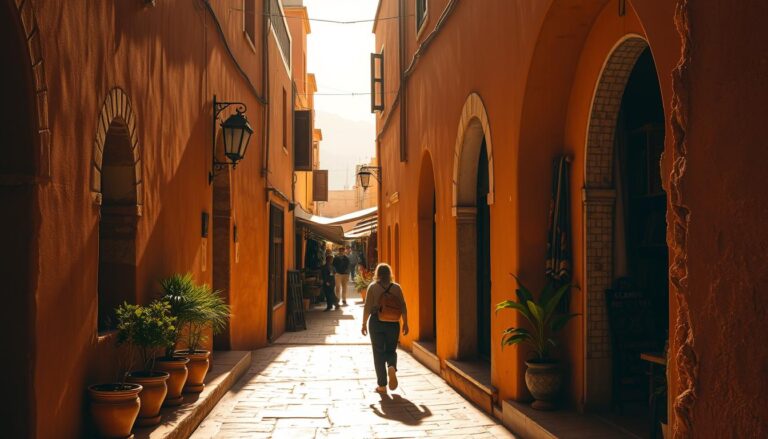
Stay Aware in Medinas: The narrow, winding streets of medinas can be disorienting and are common pickpocketing zones. Stay alert, keep bags in front, and avoid extracting large amounts of cash visibly.
Trust Your Instincts: If a situation feels uncomfortable, remove yourself from it. Declining unsolicited offers or guides is perfectly acceptable and won’t offend locals.
Top Destinations for Safe and Enriching Experiences
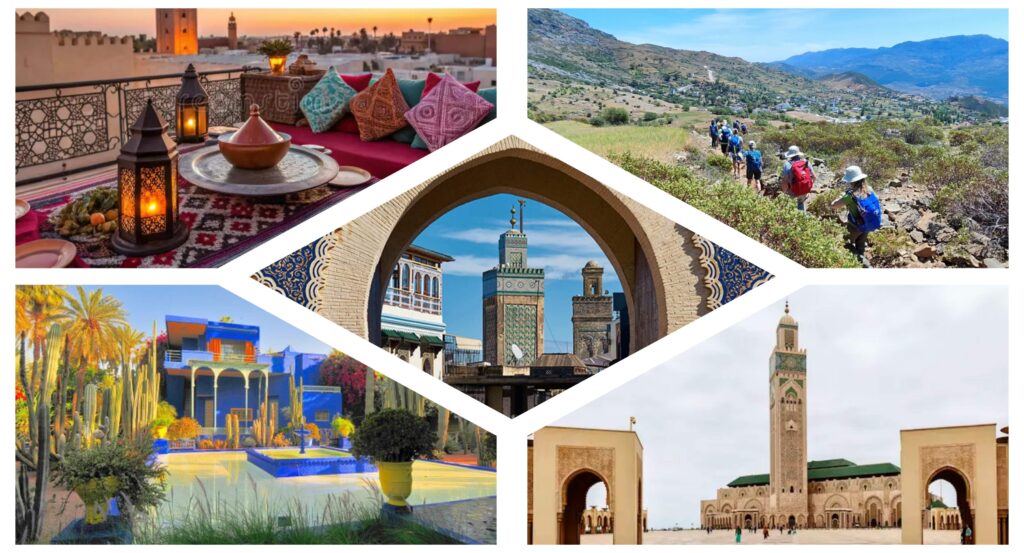
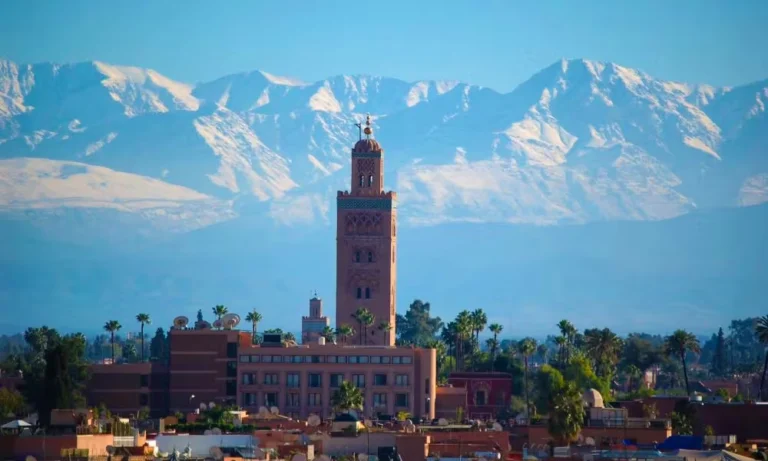
Marrakech: This vibrant city offers the iconic Jemaa el-Fnaa square, stunning palaces, and lush gardens. The medina is bustling but manageable with awareness. The nearby Atlas Mountains provide excellent trekking opportunities.
Fes: Home to one of the world’s oldest universities and a remarkably preserved medieval medina, Fes offers cultural depth. Navigate the medina systematically or hire a local guide to avoid getting lost.
Casablanca: Morocco’s largest city and economic center blends modern infrastructure with traditional charm. The Hassan II Mosque is architecturally magnificent, and the Corniche offers pleasant seaside walks.
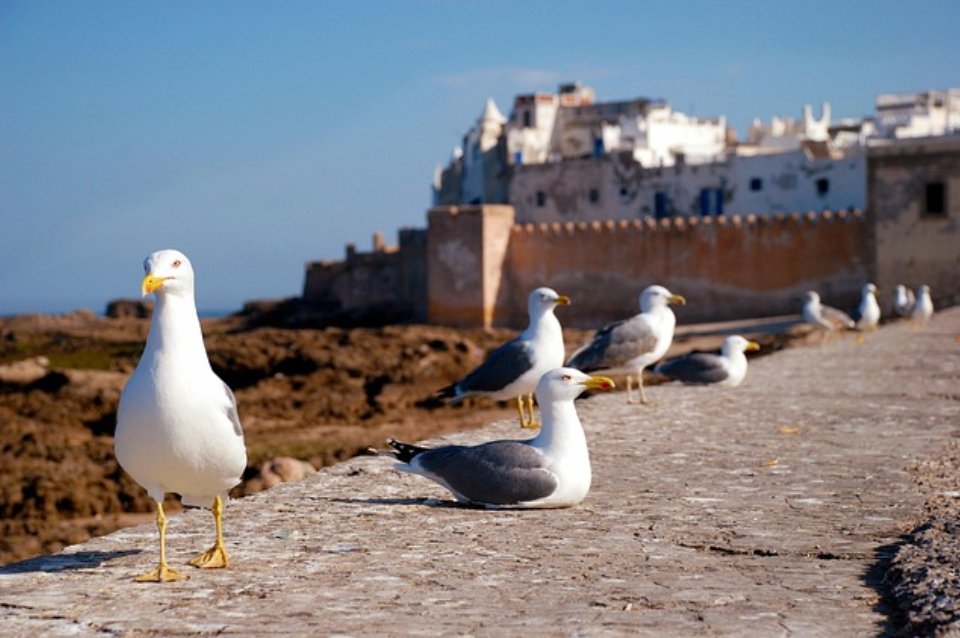
Essaouira: This coastal town provides a more relaxed atmosphere than interior cities, with beautiful beaches, fresh seafood, and artistic communities. It’s ideal for travelers seeking beach and culture combinations.
Sahara Desert: Desert camps near Merzouga or Zagora offer unforgettable experiences. Book through reputable operators, and the experience becomes both safe and transformative. Camel trekking, stargazing, and Berber cultural immersion are highlights.
Chefchaouen: The blue-painted medina of this mountain town creates an otherworldly atmosphere. The smaller scale makes it less overwhelming than larger cities while offering authentic Moroccan mountain life.
Essential Travel Information
Visa Requirements: Citizens of many countries, including the United States, United Kingdom, Canada, Australia, and most EU nations, receive a 90-day tourist visa upon arrival. Always verify current requirements with your embassy before travel.
Currency: The Moroccan Dirham (MAD) is the official currency. ATMs are widely available in cities, though less common in rural areas. Credit cards are accepted in larger establishments, but cash remains essential in souks and small villages.
Best Time to Visit: Spring (March to May) and autumn (September to November) offer pleasant temperatures and lower tourist crowds. Summer brings intense heat, while winter can bring rainfall, though temperatures remain mild.
Health Precautions: Ensure routine vaccinations are current. Yellow fever vaccination is sometimes required for travelers coming from endemic regions. Tap water in major cities is generally safe, but bottled water is advisable in rural areas and for sensitive stomachs.
Transportation: Morocco’s bus network is extensive and affordable, with companies like CTM and Supratours offering comfortable long-distance service. Trains connect major cities reliably. Within cities, taxis are inexpensive and convenient.
Accommodation: Morocco offers options ranging from luxury riads (traditional houses with central courtyards) to budget hostels. Booking accommodations in established neighborhoods and through reputable platforms ensures quality and safety.
Navigating Common Scams and Overcharging
Foreknowledge prevents disappointment. Unofficial tour guides often overcharge tourists or take them to shops where they receive commissions. Politely decline unsolicited guides, or negotiate prices clearly beforehand.
In souks, prices are traditionally negotiable, and haggling is expected cultural practice rather than confrontation. Starting at approximately 50-60% of the asking price and negotiating upward is customary. Know reasonable prices beforehand by comparing similar items across multiple stalls.
Restaurant bill scams occasionally occur in tourist areas. Request menus with prices before ordering, and ask for itemized bills. Established restaurants in reputable areas minimize this risk.
Making the Most of Your Moroccan Journey
Morocco’s greatest asset is its people. Despite occasional vendor-tourist dynamics in tourist zones, Moroccans are genuinely hospitable and proud of their heritage. Accepting tea invitations, engaging in genuine conversations, and showing interest in local life creates authentic connections that transform travel from sightseeing into cultural exchange.
Food safety is excellent in established restaurants, and Moroccan cuisine is world-renowned. Tagines, couscous, and street food like msemen (stuffed pancakes) are delicious and generally safe. Stick to cooked foods and establish restaurants, and you’ll experience culinary excellence.
Photography and respect go hand-in-hand. Always ask before photographing people, particularly in religious settings and rural villages. Some individuals object to being photographed, and respecting this refusal is essential.
Conclusion
Morocco is demonstrably safe for well-prepared tourists. The country welcomes visitors warmly and has established tourism infrastructure designed to ensure positive experiences. By respecting local customs, exercising standard travel precautions, maintaining awareness, and approaching interactions with genuine interest in Moroccan culture, first-time visitors invariably discover why Morocco ranks among the world’s most enchanting destinations.
Your Moroccan adventure awaits—with proper planning and realistic expectations, it will exceed your imagination.
FAQs
Q1: Is it safe for women to travel to Morocco alone?
A: Yes, many solo female travelers visit Morocco safely each year. However, women may experience more frequent attention and sales pitches from vendors. Dressing modestly, traveling in groups when possible, avoiding isolated areas at night, and maintaining awareness substantially enhance safety. Engaging with other travelers, booking group tours, and staying in established guesthouses provides community and support. Many women find their solo Morocco experiences empowering and transformative.
Q2: What’s the biggest safety concern tourists should know about?
A: Petty theft, particularly pickpocketing in crowded souks, medinas, and transportation hubs, is the primary security concern. This is manageable through standard precautions: keeping valuables secured, avoiding display of wealth, staying alert in crowded areas, and using hotel safes. Violent crime targeting tourists is exceptionally rare.
Q3: Do I need vaccinations before traveling to Morocco?
A: Routine vaccinations (MMR, tetanus, hepatitis A and B) should be current. Yellow fever vaccination is sometimes required for travelers arriving from endemic regions. Consult your healthcare provider 4-6 weeks before travel for personalized medical advice. Travel insurance is recommended.
Q4: How should I handle vendors and unofficial tour guides?
A: Politely but firmly decline unsolicited guides and sales pitches. This isn’t rude—vendors expect rejection and respect assertiveness. Negotiate prices clearly upfront if hiring guides. Using official tour operators and booking through reputable platforms ensures legitimate services. Remember that haggling in souks is expected cultural practice and genuinely enjoyable for many visitors.
Q5: What’s the best way to exchange money and manage finances?
A: Withdraw cash from ATMs in major cities, as this typically offers better exchange rates than currency exchange bureaus. Inform your bank of your travel dates to prevent card blocking. Carry a mix of Dirhams and backup cash, but avoid displaying large amounts. Credit cards work in hotels, restaurants, and large shops, though cash remains essential in traditional markets and small establishments.