How to Travel Morocco on a Budget: Tips for Saving Money While Experiencing It All
Morocco has long captivated travelers with its vibrant souks, ancient medinas, sweeping deserts, and mountain landscapes. The good news? This North African gem remains one of the most budget-friendly destinations in the region, offering incredible experiences without draining your wallet. With smart planning and local know-how, you can explore Morocco’s riches while keeping your expenses remarkably low.
Getting There for Less
Your Morocco adventure begins with finding affordable flights. The country’s main gateways—Casablanca, Marrakech, and Tangier—are served by numerous budget carriers from Europe, making it possible to snag flights for under $100 from cities like Madrid, Barcelona, or London if you book in advance and travel during shoulder seasons (March-May and September-November). These periods offer the sweet spot of pleasant weather and lower prices before peak tourist season hits.
Navigating Morocco Without Breaking the Bank
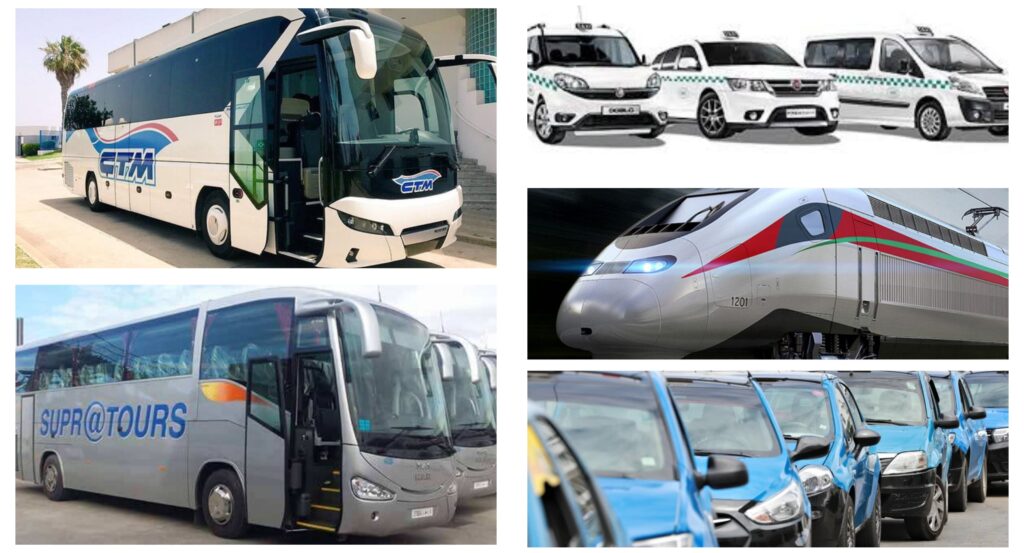
Morocco’s public transportation network is extensive, reliable, and remarkably affordable. CTM and Supratours operate comfortable buses connecting major cities, with journeys costing a fraction of Western prices. A six-hour bus ride from Marrakech to Fes runs around 100-150 dirhams ($10-15), and the vehicles are typically air-conditioned with decent legroom.
For the truly budget-conscious, grand taxis—shared taxis that depart when full—offer even cheaper rates for shorter distances between cities. While less comfortable than buses, they’re faster and provide an authentic glimpse into local travel culture. Just be prepared to negotiate and confirm prices before departing.
Train travel through ONCF, Morocco’s rail company, connects major cities along the coast and inland routes. Second-class tickets are budget-friendly and the trains are generally punctual and comfortable. The scenic route from Tangier to Marrakech showcases diverse landscapes while keeping your wallet happy.
Within cities, petit taxis are your best friend. These small cabs use meters and are incredibly affordable for getting around urban areas. A typical cross-city ride rarely exceeds 30 dirhams ($3). Always insist the driver uses the meter, and if they refuse, simply exit and find another taxi—there’s never a shortage.
Sleeping on a Shoestring
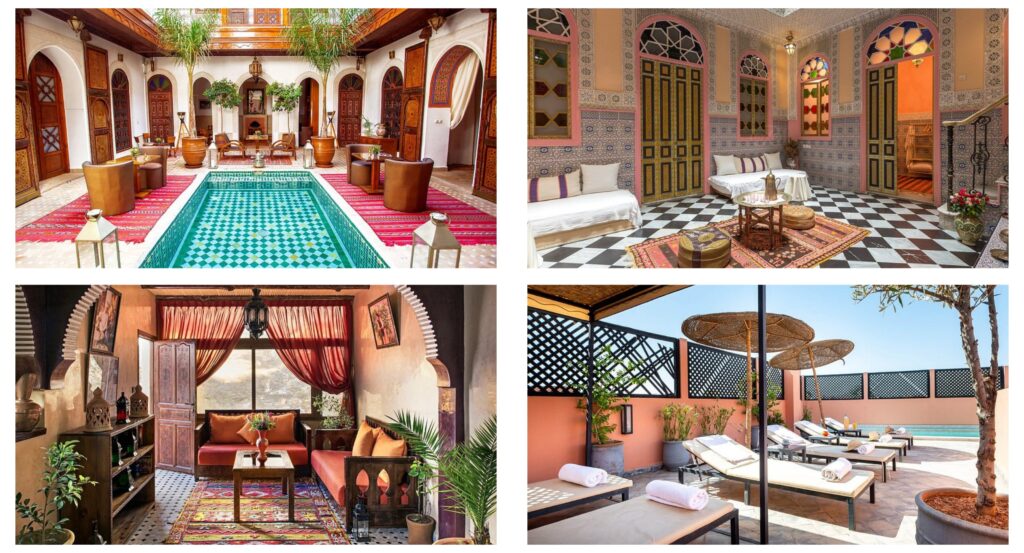
Accommodation in Morocco caters brilliantly to budget travelers. Traditional riads—converted homes built around central courtyards—offer authentic experiences starting from $15-25 per night for basic rooms in cities like Marrakech and Fes. These family-run guesthouses often include breakfast and provide insider tips on navigating the medinas.
Hostels have flourished across Morocco’s tourist trail, with dorm beds available for $8-12 in major cities. Many feature rooftop terraces perfect for sunset views, communal kitchens for self-catering, and social atmospheres ideal for meeting fellow travelers and sharing tips.
For those seeking even cheaper options, Couchsurfing has an active Moroccan community, particularly in larger cities. Beyond free accommodation, hosts often provide valuable cultural insights and may show you hidden corners tourists rarely discover.
In smaller towns and villages, local guesthouses and auberges offer simple rooms at rock-bottom prices. Don’t be afraid to negotiate, especially if staying multiple nights or visiting during off-peak periods.
Eating Like a Local Without Emptying Your Pockets
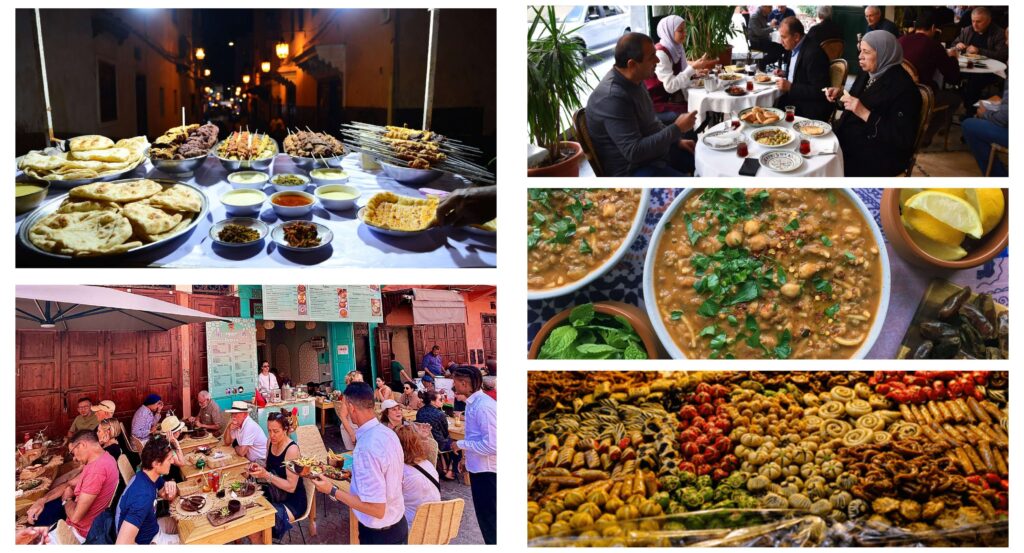
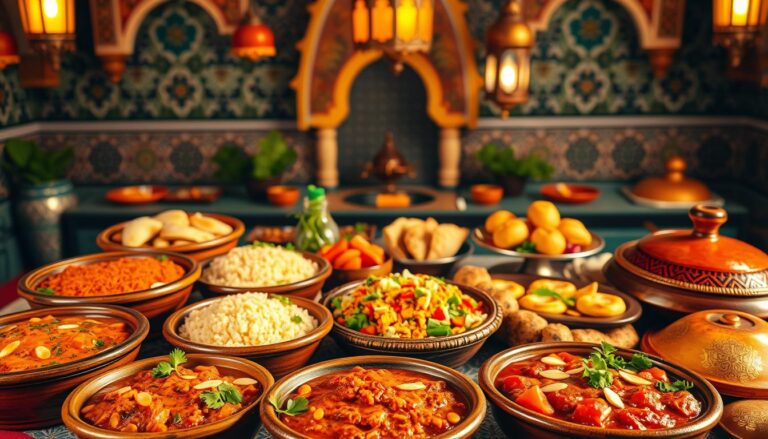
Moroccan street food is where budget travel dreams come true. The country’s culinary scene offers incredible value, with delicious, filling meals available for just a few dollars.
Start your mornings at local cafes where Moroccans gather for breakfast. Fresh bread, olive oil, honey, and mint tea rarely cost more than 20 dirhams ($2). The tea culture is central to Moroccan life, and you’ll find tiny shops serving the sweet, aromatic beverage for less than 50 cents a glass.
For lunch and dinner, seek out the small restaurants locals frequent rather than tourist-oriented establishments. A hearty tagine with bread costs 30-50 dirhams ($3-5) at neighborhood spots, compared to 80-120 dirhams at places with English menus. The food is often better too—authentic flavors without modification for Western palates.
Street vendors selling harira soup, sandwiches, and grilled meats provide quick, tasty, and absurdly cheap options. Msemen (layered flatbread) fresh off the griddle costs mere pennies and makes a satisfying snack. During Ramadan, many charitable organizations set up free communal meals at sunset—while primarily for those fasting, travelers are usually welcome to join respectfully.
Markets are treasure troves for self-caterers. Fresh produce, nuts, dried fruits, and local cheeses cost significantly less than in Western countries. Assembling picnic lunches from market goods lets you save money while enjoying scenic lunch spots.
The key rule: eat where you see Moroccans eating. Empty restaurants in tourist areas are empty for good reason, while crowded local spots indicate quality and value.
Free and Low-Cost Experiences
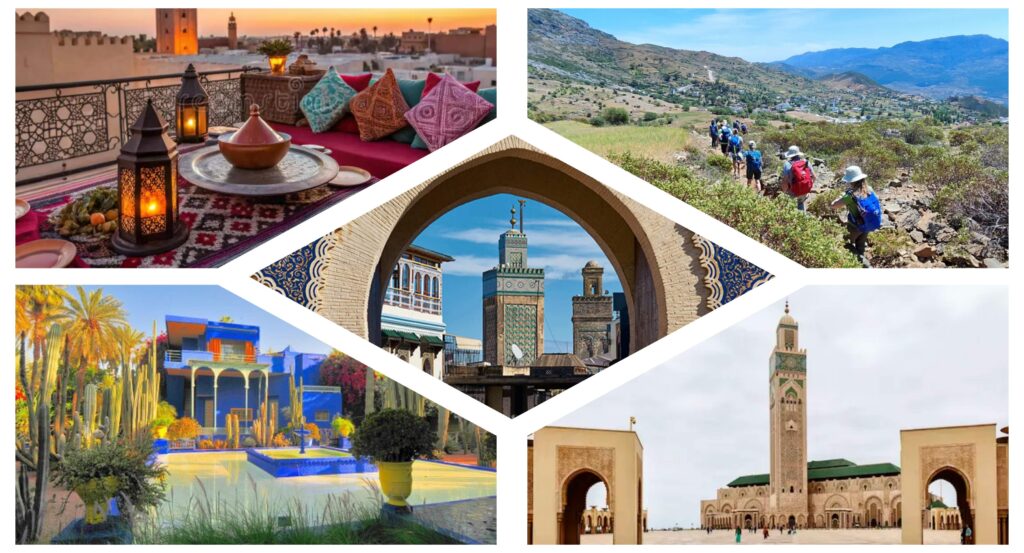
Morocco’s greatest attractions often come with minimal or no entrance fees. Wandering the UNESCO-listed medinas of Fes, Marrakech, and Essaouira costs nothing and provides endless fascination. Getting deliberately lost in these ancient labyrinths, observing artisans at work, and soaking in the atmosphere forms the heart of the Moroccan experience.
Many riads and guesthouses offer rooftop access with stunning views—enjoy sunsets over the medinas without paying for expensive restaurant terraces. Public beaches along Morocco’s Atlantic and Mediterranean coasts are free, with Essaouira and Asilah offering particularly beautiful stretches of sand.
Hiking opportunities abound, from the Rif Mountains near Chefchaouen to trails in the Atlas Mountains. While guided treks come with costs, many day hikes can be done independently with proper preparation. The Paradise Valley near Agadir and waterfalls around Akchour near Chefchaouen are accessible without guides.
Friday prayers at major mosques like the Hassan II in Casablanca (non-Muslims cannot enter, but the exterior architecture is magnificent) or watching the call to prayer echo across rooftops at sunset provides cultural immersion at no cost.
Public gardens and parks, such as the Majorelle Garden’s exterior areas in Marrakech or the Andalusian Gardens in Rabat, offer peaceful retreats. While some charge nominal entrance fees, others are completely free.
Strategic Splurging: Where to Invest Your Dirhams
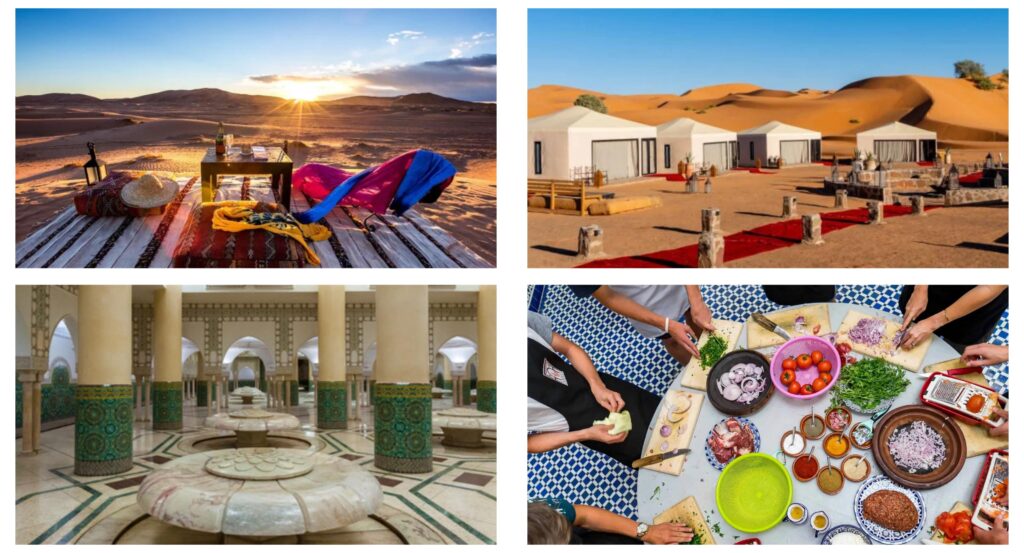
Even on a tight budget, certain experiences justify the expense. A night or two in the Sahara Desert, while requiring upfront investment ($30-60 for budget tours), creates unforgettable memories. Shop around in Merzouga or M’Hamid for the best deals, and don’t be afraid to negotiate.
Hammam visits—traditional Moroccan steam baths—are affordable luxuries worth experiencing. Local hammams charge just 10-20 dirhams for entry, though you’ll pay extra for scrubbing services. These provide cultural insight and deep relaxation for the price of a coffee back home.
Consider allocating budget for a cooking class, typically costing $20-40. Learning to prepare tagine, couscous, or pastilla from local cooks provides skills you’ll use long after your trip ends and often includes a market tour and full meal.
Money-Saving Tips and Tricks
Bargaining is expected in souks and with many service providers. Start at 40-50% of the initial asking price and negotiate respectfully. If they won’t meet your price, walking away often brings them chasing after you with better offers.
ATMs are widely available in cities, but withdraw larger amounts less frequently to minimize fees. Notify your bank of travel dates to avoid card blocks. Some merchants accept cards, but cash remains king, especially for budget transactions.
Travel with a refillable water bottle and purification tablets or a filter. Morocco’s tap water isn’t always safe for foreign stomachs, but buying bottled water daily adds up. Many accommodations provide filtered water for refills.
Download offline maps before arriving. Apps like Maps.me work without data and help navigate medinas and find specific addresses without expensive roaming charges or unreliable tourist maps.
Visit local pharmacies for minor ailments rather than seeking medical care. Pharmacists are knowledgeable and medications cost significantly less than in Western countries.
Seasonal Strategies
Timing dramatically affects costs. Summer (June-August) brings peak prices and scorching heat, particularly in Marrakech and desert areas. Winter (December-February) offers lower accommodation rates, though mountain areas can be cold and some mountain passes close.
The ideal budget travel windows are March through May and September through November. Weather is pleasant, prices moderate, and crowds manageable. Ramadan varies annually by lunar calendar—while offering cultural insights, it affects restaurant hours and may impact some experiences.
Regional Cost Variations
Northern cities like Tangier and Tetouan tend to be slightly cheaper than Marrakech, Morocco’s tourism crown jewel. Fes offers better value than Marrakech for similar experiences. The blue city of Chefchaouen, while popular, remains relatively affordable if you venture beyond the photogenic blue walls.
Coastal towns along the Atlantic, particularly south of Agadir, see fewer tourists and offer lower prices. The southern desert towns of Zagora and M’Hamid provide budget alternatives to the more visited Merzouga.
Common Budget Travel Mistakes to Avoid
Don’t stay exclusively in the tourist districts. Venturing into less-visited neighborhoods or newer parts of cities yields significantly lower prices for food and lodging while still maintaining reasonable access to attractions.
Avoid booking everything in advance through international platforms. While offering security and English-language interfaces, they add commissions. Upon arrival, you’ll find many similar or better options at lower prices by booking directly.
Don’t fall for overly persistent touts or guides offering to show you around “for free.” These invariably lead to commission-based carpet shops or expensive tours. Polite but firm refusals are necessary.
Resist the urge to always choose the absolute cheapest option. Rock-bottom prices sometimes signal poor quality or hidden costs. Aim for the sweet spot of good value rather than minimum price.
Final Thoughts
Morocco rewards budget travelers with authentic experiences, warm hospitality, and incredible value. The country’s tourism infrastructure has matured while maintaining affordability, creating ideal conditions for those seeking adventure without financial stress.
The secret to budget travel in Morocco isn’t deprivation—it’s traveling more like locals do. Eat where Moroccans eat, use public transport, stay in family-run accommodations, and embrace the slower pace of local life. These choices not only save money but also provide richer, more meaningful travel experiences than five-star isolation could ever offer.
With daily budgets as low as $25-35 covering accommodation, food, and transport, and mid-range budgets of $50-70 allowing comfortable travel with occasional treats, Morocco proves that memorable adventures need not be expensive. The country’s greatest treasures—its welcoming people, ancient culture, stunning landscapes, and vibrant street life—are available to all travelers regardless of budget.
Pack your sense of adventure, bring flexibility and openness to new experiences, and prepare to discover that some of the world’s most enchanting destinations remain accessible to those traveling on a shoestring. Morocco awaits, and your budget will thank you.
FAQs
Q: How much money do I need per day to travel Morocco on a budget?
A: You can travel Morocco comfortably on $25-35 per day if you stay in hostels or budget riads, eat street food and local restaurants, and use public transportation. A mid-range budget of $50-70 per day allows for more comfortable accommodations, occasional nicer meals, and some guided activities. These estimates include accommodation, food, local transport, and activities but not international flights.
Q: Is it safe to eat street food in Morocco?
A: Yes, Moroccan street food is generally safe to eat, especially at busy stalls with high turnover where food is freshly prepared. Look for vendors where locals are eating, avoid pre-cut fruit, and choose thoroughly cooked items. Start slowly to let your stomach adjust, and always opt for bottled or filtered water. Street food is not only safe but also offers some of the most delicious and authentic culinary experiences in Morocco.
Q: What is the cheapest way to get around Morocco?
A: Public buses operated by CTM and Supratours are the cheapest way to travel between cities, costing roughly $1-2 per hour of travel. Grand taxis (shared taxis) offer slightly faster service at comparable prices for shorter routes. Within cities, petit taxis are extremely affordable, rarely exceeding $3 for cross-city trips. Walking is free and often the best way to explore medinas and city centers.
Q: When is the cheapest time to visit Morocco?
A: The most budget-friendly times to visit Morocco are during the shoulder seasons of March through May and September through November. You’ll find lower accommodation prices, fewer crowds, and pleasant weather. Winter months (December-February) also offer reduced rates, though some mountain areas can be quite cold. Avoid summer (June-August) when prices peak and temperatures soar, particularly in interior cities and desert regions.
Q: Do I need to book accommodations in advance in Morocco?
A: For budget travelers, it’s often better not to book everything in advance. Many riads, guesthouses, and hostels offer better rates for walk-in guests than through international booking platforms, which charge commissions. However, during peak season (Easter, summer, major holidays) or in very popular destinations like Marrakech and Chefchaouen, booking your first night or two in advance provides peace of mind. Once you arrive, you can easily find accommodation by walking around and comparing options.