Family Travel in Morocco: Is It Kid-Friendly?
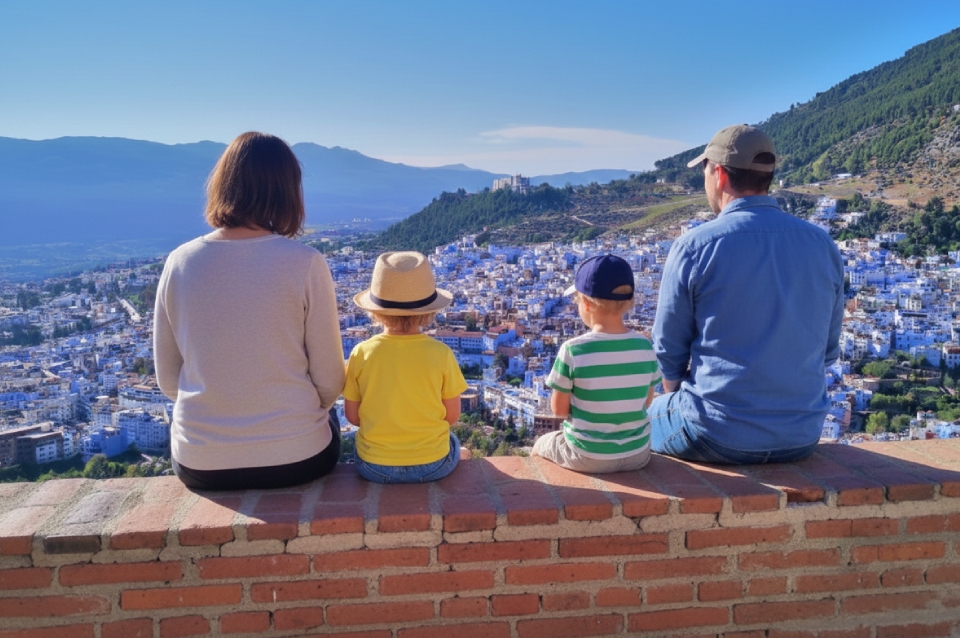
Morocco stands as one of North Africa’s most enchanting destinations, offering a perfect blend of cultural richness, natural wonders, and family-friendly experiences. For families considering an international adventure, Morocco presents an exceptional opportunity to immerse themselves in exotic landscapes, vibrant medinas, and warm hospitality. With its diverse attractions ranging from Sahara desert camps to Atlantic coastlines, mountain trekking to bustling souks, Morocco caters to travelers of all ages. This comprehensive guide explores why Morocco deserves a top spot on your family travel bucket list and provides essential insights to ensure a memorable and safe journey.
Why Morocco Is Perfect for Family Travel
Cultural Immersion Without Overwhelming Complexity
Morocco offers a unique balance between exotic experience and accessibility. Unlike some far-flung destinations, Morocco provides excellent infrastructure in major cities while maintaining authentic cultural experiences. Families can explore traditional medinas, interact with local communities, and participate in cultural activities without requiring extreme physical demands or specialized skills.
Diverse Activities for All Ages
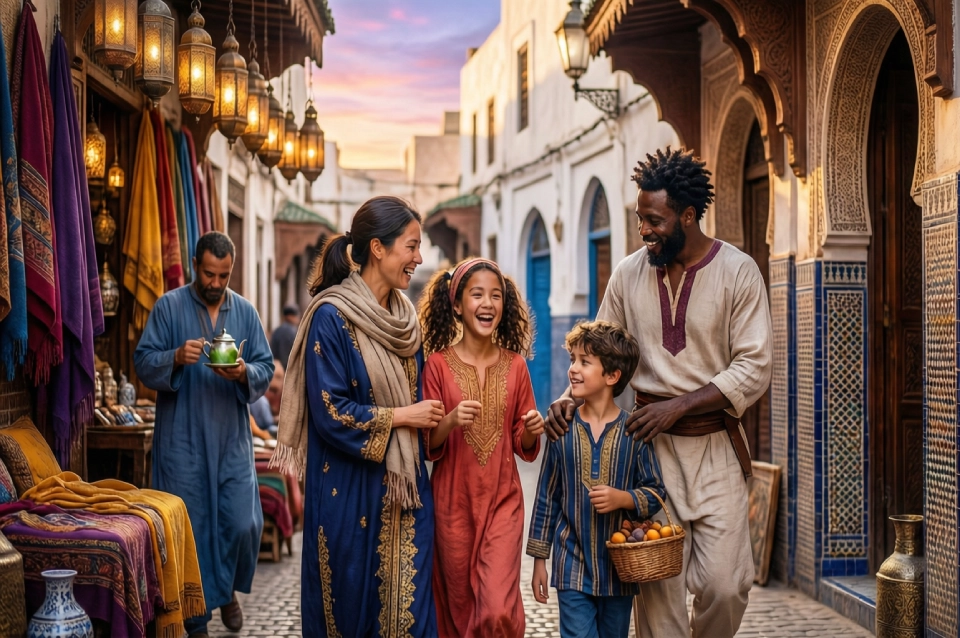
The country’s geographical diversity ensures every family member finds engaging activities. Young children enjoy camel rides in the Sahara, beach days in Essaouira, and exploring colorful markets. Teenagers appreciate adventure activities like hiking in the Atlas Mountains, surfing lessons in coastal towns, and discovering street food culture. Adults savor historical sites, panoramic landscapes, and wellness experiences in traditional hammams.
Year-Round Favorable Climate
Morocco’s climate makes it suitable for family travel throughout much of the year. Spring (March-May) and autumn (September-November) offer pleasant temperatures and lower humidity, perfect for outdoor activities. Summer months work well for beach-focused trips, while winter provides mild weather in southern regions. This climatic flexibility allows families to plan trips around school schedules without sacrificing comfort.
Affordable Compared to European Alternatives
Family budgets stretch further in Morocco than in comparable European destinations. Accommodations, dining, activities, and transportation remain reasonably priced, allowing families to enjoy premium experiences without excessive spending. Local guides, private drivers, and tours cost a fraction of what you’d pay in Western Europe.
Welcoming Attitude Toward Families
Moroccan culture deeply values family, and this reflects in how locals treat visiting families. Restaurants accommodate young diners, accommodations offer family-friendly amenities, and locals often go out of their way to ensure children feel welcome and safe.
Essential Information Before You Travel

Visa Requirements and Documentation
Before booking flights, verify visa requirements for your nationality. Citizens of many European, American, and other countries receive 90-day visa-free access. However, requirements vary by country, so check your government’s travel advisory and the Moroccan embassy website. Ensure all family members’ passports have at least six months validity beyond your travel dates. Consider obtaining travel insurance that covers family medical emergencies.
Vaccinations and Health Precautions
Consult your healthcare provider 4-6 weeks before departure. While no vaccinations are mandatory for Morocco, doctors typically recommend immunizations against hepatitis A, typhoid, and tetanus for travelers. Malaria prophylaxis is recommended only for specific southern regions during certain seasons. Pack a comprehensive medical kit including digestive aids, antihistamines, and pain relievers. Ensure all family members have adequate travel health insurance.
Best Times to Visit
Spring (March-May): Ideal for family travel with comfortable temperatures, blooming flowers, and outdoor activities. Crowds are moderate, and prices are reasonable.
Autumn (September-November): Another excellent period offering pleasant weather and fewer tourists than summer. Perfect for outdoor adventures and cultural exploration.
Summer (June-August): Popular for beach holidays but involves crowds and higher temperatures in interior regions. Coastal areas remain comfortable.
Winter (December-February): Mild in coastal and southern areas but cold in mountain regions. Snow in the High Atlas may restrict mountain activities.
Getting There and Transportation
Major international airports in Casablanca (Mohammed V), Marrakech, and Fez connect easily to global destinations. Internal travel options include domestic flights, trains (excellent for families), and rental cars. The royal railway network (ONCF) offers comfortable family compartments ideal for journeys between major cities. Car rentals with drivers (recommended) provide flexibility without navigation stress.
Currency and Budget Planning
The Moroccan Dirham (MAD) is the local currency. ATMs are widely available in cities and towns. Budget approximately $50-150 per day per person depending on travel style, accommodation choices, and activities. Mid-range family accommodations cost $60-120 per night, while meals range from $2-20 per person depending on venue.
Top Kid-Friendly Destinations in Morocco
Marrakech and the Surrounding Region
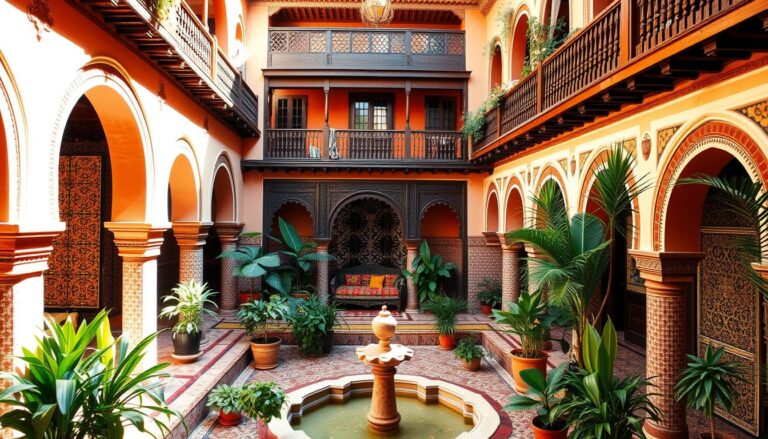
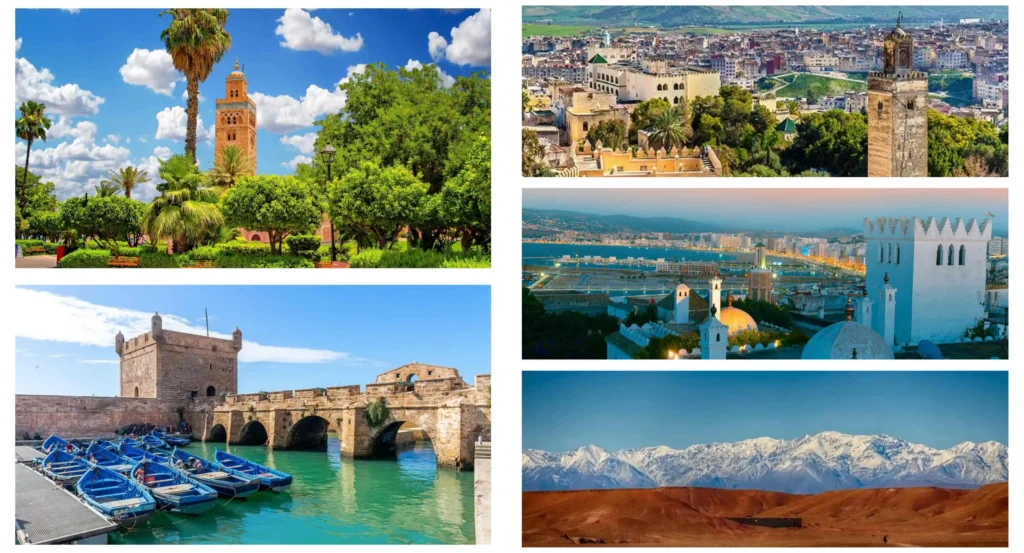
Marrakech serves as an ideal base for families, combining cultural experiences with convenient access to natural attractions. The stunning Djemaa el-Fna square offers entertainment, snake charmers, musicians, and food vendors. The Majorelle Garden provides peaceful respite with its iconic blue buildings and botanical beauty—perfect for younger children. Family-friendly riads (traditional houses) in the medina offer authentic stays without overwhelming tourists.
Day Trips from Marrakech:
- Ourika Valley: Mountain river walks, berber villages, and waterfall exploration
- Atlas Mountains: Guided trekking at family-friendly paces with stunning vistas
- Sahara Desert: Two-day camel trekking packages designed for families with adequate rest periods
Essaouira: Beach Haven for Families
This charming Atlantic coastal town offers Morocco’s most relaxed, beach-oriented experience. Wide sandy beaches perfect for young swimmers, coastal breezes, and fresh seafood create an ideal family environment. The medina remains less chaotic than Marrakech’s, making exploration manageable. Kite surfing schools cater to teenagers, while beaches offer safe swimming areas. The town’s European-influenced architecture contrasts pleasantly with traditional Moroccan elements.
Fez: Living History Lesson
Fez’s medina represents one of the world’s oldest continuously inhabited areas, offering unparalleled cultural immersion. While the winding souks require patience with young children, guided family tours navigate these efficiently. The medieval tanneries, leather artisan shops, and spice markets provide engaging sensory experiences. Recent family-friendly accommodations and restaurants make Fez increasingly accessible for traveling families.
Tangier and Northern Beaches
The northern gateway to Morocco offers beaches, European influences, and easy ferry access to Spain. Tangier’s revitalized beachfront provides modern amenities alongside traditional culture. Coastal towns like Asilah feature pristine beaches and artistic communities. This region suits families seeking beach time with historical exploration.
Sahara Desert Experience
While seemingly extreme, properly organized Sahara experiences work beautifully for families. Merzouga and Erg Chebbi offer camel trekking at manageable paces with overnight desert camp stays. Sunset and sunrise camel rides, stargazing under incredible skies, and Berber cultural interactions create unforgettable memories. Operators cater to families with experienced guides, comfortable camps, and child-appropriate itineraries.
Atlas Mountains and Berber Villages
The Atlas Mountains provide moderate trekking opportunities suitable for families with school-age children. Guided walks through Berber villages, stays in family-run guesthouses, and interactions with local communities create authentic experiences. Imlil village serves as an excellent base for family-friendly mountain activities.
Practical Tips and Recommendations
Accommodation Selection
Choose accommodations strategically based on your family’s needs and children’s ages. Riads offer authentic medina experiences within manageable family environments. Modern hotels provide familiar amenities and international standards. Guesthouses in villages and mountains offer cultural immersion with genuine hospitality. Book family rooms or connecting suites to maintain appropriate space and privacy. Many accommodations now provide babysitting services, ideal for parents seeking occasional adult time.
Dining with Children
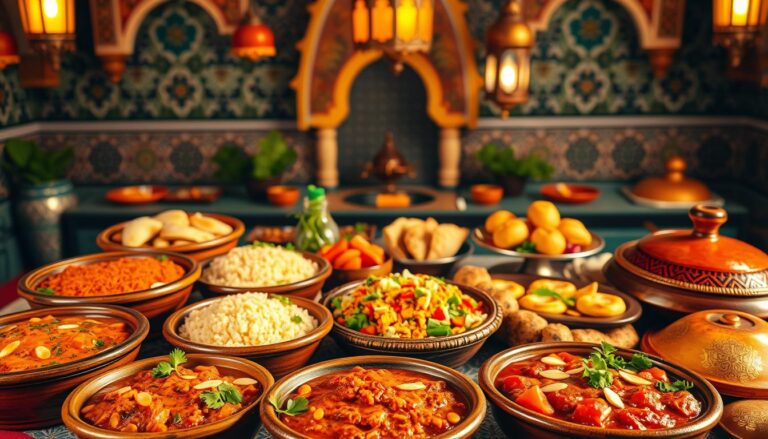
Moroccan cuisine is generally family-friendly, though adventurous palates benefit from gradual exposure to new flavors. Traditional tagines, couscous, and grilled meats appeal to most children. Fresh fruits, vegetables, and bread are safe staples. International cuisine is available in major tourist areas if children prefer familiar foods. Street food remains delicious and safe at busy vendors with high turnover. Teach children about haggling, which becomes a fun cultural activity. Always drink bottled water and ensure ice is from filtered sources.
Managing Cultural Differences
Educate children before travel about cultural norms—dress modestly, remove shoes before entering homes, ask permission before photographing locals, and respect prayer times. These conversations transform potential awkward moments into learning opportunities. Kids become cultural ambassadors when they understand context. Traveling families often experience genuine appreciation from locals when they demonstrate cultural respect.
Sun Protection and Hydration
Morocco’s sun is intense. Apply high-SPF sunscreen frequently, especially during midday hours. Pack lightweight, breathable clothing that covers shoulders and legs. Ensure constant hydration with bottled water and electrolyte drinks. Mid-day siestas allow rest during peak heat hours. Beach days require extra vigilance with sun protection.
Packing Essentials for Families
- Lightweight, breathable clothing in neutral colors
- Sturdy, comfortable walking shoes (mandatory for medina exploration)
- Hat, sunglasses, and high-SPF sunscreen
- Reusable water bottles
- Medications (prescription and over-the-counter)
- Adapter plugs and portable chargers
- Activities books and entertainment for young children during travel
- Small gifts or stickers for local children (cultural exchange tool)
Language Considerations
While French and Arabic dominate, English increasingly appears in tourist areas. Learning basic French phrases helps, especially outside major tourist destinations. Translation apps on smartphones prove invaluable. Hiring experienced English-speaking guides ensures smooth communication and enriched experiences.
Safety Considerations
Morocco maintains excellent safety records for tourists. Petty theft occurs in crowded areas but serious crime against tourists is rare. Use sensible precautions: keep valuables secure, avoid displaying expensive items, use registered taxis or ride-sharing apps, and trust your instincts about uncomfortable situations. Traveling families typically feel very safe, especially during daytime.
Budgeting Strategies for Families
- Book accommodations in advance for better rates
- Use public transportation for major city explorations
- Hire private drivers for day trips (often cheaper than car rentals)
- Eat at local restaurants away from tourist centers
- Purchase souvenirs at souks rather than tourist shops
- Consider package tours for complex activities like Sahara trips
- Travel during shoulder seasons (March-May, September-November) for lower prices
Activities by Age Group
Ages 3-7: Younger Children
- Camel rides in the Sahara Desert
- Beach days in Essaouira
- Exploring colorful medina souks (short sessions)
- Visiting botanical gardens
- Watching street performers in Djemaa el-Fna
- Berber village visits with cultural interactions
- Food tasting and cooking experiences
Ages 8-12: School-Age Children
- Light hiking in the Atlas Mountains (easy routes)
- Longer Sahara desert experiences (2-3 days)
- Exploring historical sites (Fez medina, Koutoubia Mosque)
- Surfing lessons for confident swimmers
- Market exploration and souvenir shopping
- Traditional craft workshops (pottery, carpet weaving)
- Camel trekking adventures
Ages 13-18: Teenagers
- Mountain trekking and climbing
- Adventure sports (surfing, rock climbing, paragliding)
- Independent medina exploration with guidance
- Historical and archaeological sites
- Water sports at coastal towns
- Photography walks in culturally rich areas
- Cooking classes and culinary adventures
Conclusion
Morocco unquestionably ranks among the world’s premier family travel destinations. Combining safety, affordability, cultural richness, diverse activities, and genuine hospitality, it offers experiences that resonate across all ages and interests. Whether your family seeks adventure, culture, relaxation, or a combination, Morocco delivers exceptional value and memories.
The country’s growing emphasis on family-friendly tourism infrastructure, experienced guides, and diverse accommodation options ensures comfort without sacrificing authenticity. From Sahara desert camps to Atlantic beaches, mountain villages to bustling medinas, Morocco provides accessible yet transformative travel experiences for families.
Begin planning your Moroccan adventure today. The country’s warmth, beauty, and magic await your family. With proper preparation, realistic expectations, and openness to new experiences, your family’s Moroccan journey will become a treasured chapter in your collective travel story.
FAQs
FAQ 1: Is Morocco Safe for Families with Young Children?
Yes, Morocco maintains excellent safety records for tourists, including families with young children. Serious crime against tourists is exceptionally rare. Petty theft can occur in crowded areas, but sensible precautions mitigate this risk. Moroccan culture deeply values family and children, resulting in locals treating visiting families with kindness and protection. Healthcare facilities in major cities meet international standards. Overall, families report feeling secure throughout their travels. Exercise normal travel precautions—avoid displaying valuables, use registered transportation, and trust your instincts about uncomfortable situations. Most families consider Morocco safer than many major European cities.
FAQ 2: What Should I Do If My Child Gets Sick While Traveling?
Ensure comprehensive travel health insurance before departure. Major cities like Marrakech, Fez, and Casablanca have excellent private hospitals and clinics with English-speaking doctors. Your accommodation can arrange medical assistance quickly. Pharmacies throughout cities provide over-the-counter medications. Pack medications for common issues (diarrhea, fever, cough) and a comprehensive first-aid kit. Avoid tap water, consuming only bottled water and cooked foods reduces digestive issues significantly. Most traveler illnesses are minor and manageable with rest and hydration. Keep emergency contact information and your insurance policy accessible at all times.
FAQ 3: How Long Should We Stay in Morocco for a Family Trip?
Optimal family trips last 7-10 days. This duration balances adequate time for meaningful experiences without excessive travel fatigue. A 7-day itinerary might include 2-3 days in Marrakech, 1-2 days in the Sahara, 1-2 days in Essaouira, and 1-2 days in another destination. Shorter trips (4-5 days) work but require prioritizing fewer destinations. Longer trips (2+ weeks) allow leisurely exploration, multiple region visits, and deeper cultural integration. Consider your children’s ages and travel tolerance when planning duration.
FAQ 4: How Do I Manage Screen Time and Technology While Traveling?
Establish clear technology boundaries before departure. The novelty of new experiences naturally limits screen desire, though international roaming charges incentivize reduced usage. Download movies, shows, and entertainment before travel for plane rides and rest periods. Many accommodations offer WiFi for communication needs. Encourage engagement with local experiences rather than devices. However, allowing some screen time during adjustment periods reduces stress. Use technology strategically for navigation, translation, and documentation rather than entertainment.
FAQ 5: What’s the Best Way to Handle Souvenirs and Shopping with Children?
Involve children in souvenir selection, making it an educational experience about local crafts and culture. Set a budget per child for independent purchasing, teaching financial responsibility. Shop at souks rather than tourist stores for authentic items and better prices. Negotiate politely—haggling becomes an entertaining cultural experience when kids understand the context. Focus on experiential souvenirs (photographs, cooking class certificates) rather than accumulating items. Small gifts for classmates become cultural ambassadors for your journey. Avoid high-pressure sales situations with children present.