Do’s and Don’ts in Morocco: Cultural Rules for Tourists
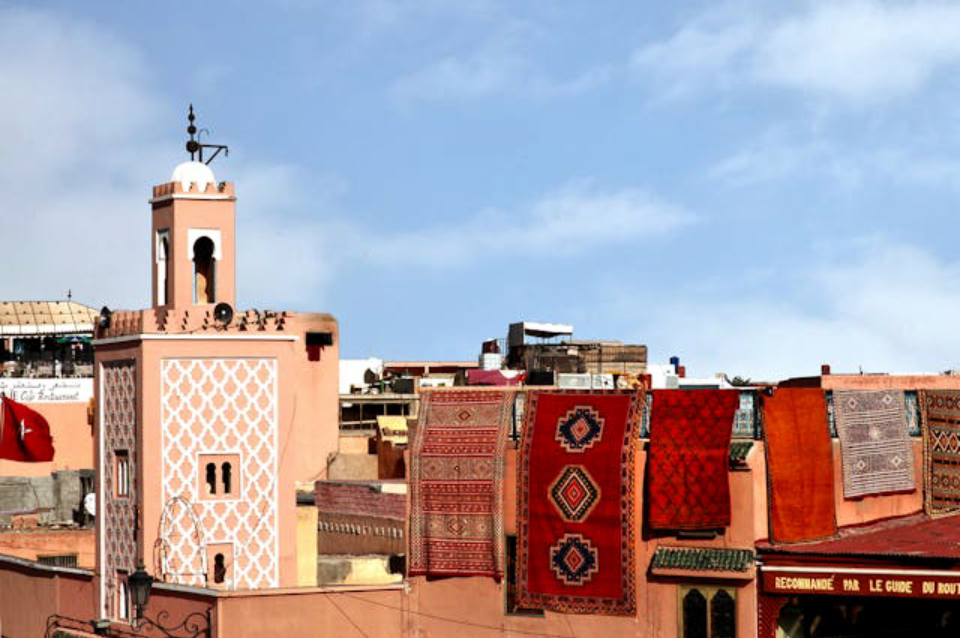
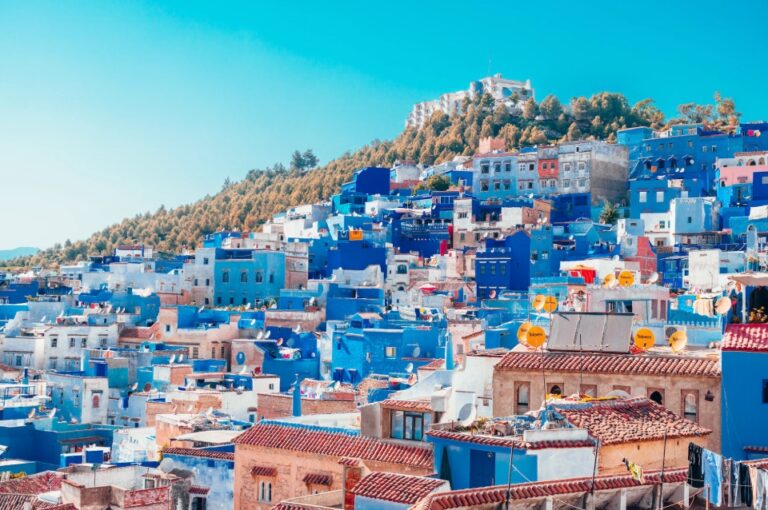
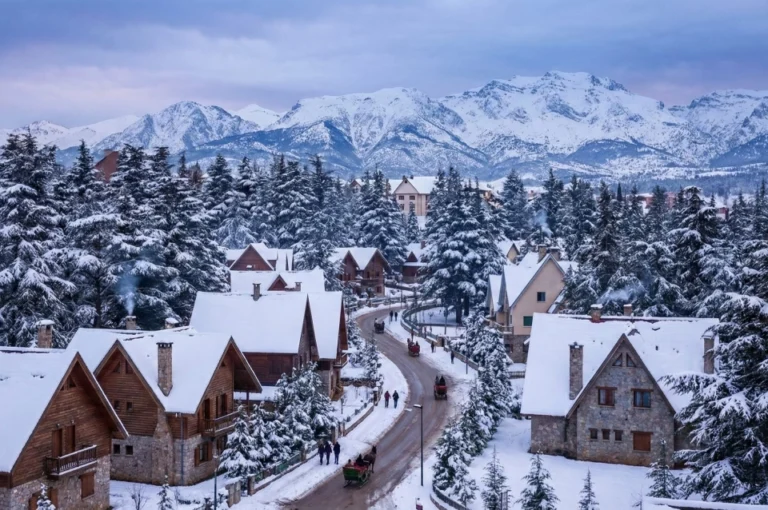
Morocco, a captivating North African destination where ancient traditions meet modern influences, welcomes over eleven million tourists annually. This enchanting kingdom—from the snow-capped Atlas Mountains to the golden Sahara Desert and the vibrant medinas of Marrakech and Fez—offers unforgettable experiences. However, to truly respect this culturally rich nation and ensure a harmonious visit, foreign travelers must understand and embrace local customs and etiquette. This comprehensive guide will equip you with essential knowledge about Moroccan cultural norms, practical tips, and dos and don’ts that will enhance your journey and foster genuine connections with the warm-hearted Moroccan people.
Understanding Moroccan Culture
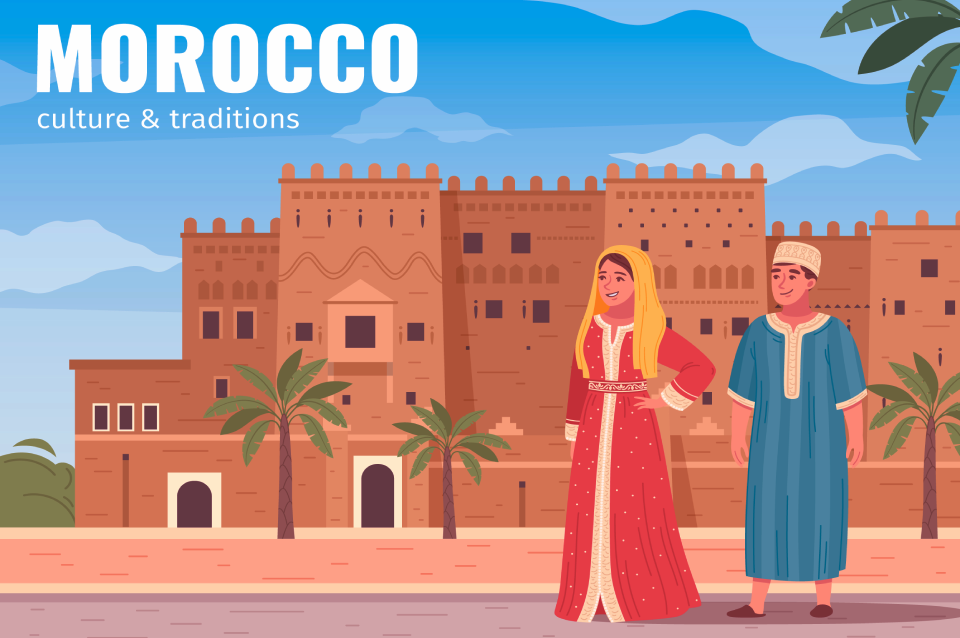
Morocco’s cultural fabric is woven from Berber, Arab, and French influences, shaped by centuries of history and Islamic traditions. The country deeply values family, respect for elders, hospitality, and religious observance. Islam plays a central role in daily life, and while Morocco is relatively liberal compared to other Islamic nations, visitors should demonstrate sensitivity and awareness of religious practices and customs.
The DO’s: What You Should Do
1. Respect Religious Practices
Islam is the predominant religion in Morocco. During the month of Ramadan (the ninth month of the Islamic calendar), Muslims fast from sunrise to sunset. Show respect by avoiding eating, drinking, or smoking in public during fasting hours. Accept invitations to break the fast (iftar) with locals if offered—it’s a wonderful cultural experience and a sign of welcome.
2. Greet Properly
Moroccan greetings are warm and meaningful. The traditional greeting “Assalamu alaikum” (Peace be upon you) is greatly appreciated. Among locals, greeting with “Bonjour” or “Salam” followed by handshakes is customary. Men should wait for women to extend their hand first before shaking, as this shows respect for personal boundaries.
3. Dress Conservatively
Morocco is a Muslim-majority nation. While tourists are afforded some flexibility, dressing modestly—especially in rural areas and religious sites—demonstrates respect. Women should avoid showing excessive skin; wear long pants or skirts, and cover shoulders. Men should refrain from wearing shorts in public spaces outside of beaches and resort areas.
4. Accept Moroccan Hospitality
Hospitality is sacred in Moroccan culture. If invited to a Moroccan home, accept graciously. Remove your shoes before entering, accept tea and food offerings (refusing is considered impolite), and take time to engage in conversation. Small gifts such as quality dates, sweets, or crafts from your home country are appreciated.
5. Use Your Right Hand for Eating and Greeting
In Moroccan culture, the left hand is traditionally considered unclean and reserved for personal hygiene. Always eat, greet, and pass items using your right hand. This is a deeply ingrained tradition, and respecting it shows cultural awareness.
6. Ask Permission Before Photographing
While Morocco offers stunning photo opportunities, always ask permission before photographing people, especially women and children. In some religious contexts and traditional settings, photography may be restricted. Be respectful of these boundaries and never photograph during prayer times.
7. Explore the Medinas with Respect
Morocco’s medinas are living, working communities—not theme parks. Walk slowly, observe respectfully, and purchase from small shop owners. Bargaining is expected in souks (markets), but do so good-naturedly without being aggressive or disrespectful.
8. Learn Basic Arabic or French Phrases
Moroccans deeply appreciate visitors who make an effort to speak their language. Learning “Salam” (hello), “Shukran” (thank you), “Afak” (please), and “Labas?” (How are you?) will open doors and hearts. French is widely spoken, but Arabic or Darija (Moroccan Arabic) shows genuine respect.
9. Respect Ramadan Observance
If visiting during Ramadan, participate respectfully. Avoid eating, drinking, smoking, or listening to loud music in public during fasting hours. Many restaurants close during the day, but some tourist-friendly establishments remain open. Participate in the festive evening celebrations when Muslims break their fast.
10. Negotiate Fairly in Markets
Haggling is an art form and integral to Moroccan commerce. Engage in this process with humor and respect. Never walk away after agreeing on a price, as this is considered dishonorable.
The DON’Ts: What You Should Avoid
1. Don’t Disrespect Islam or Religious Sites
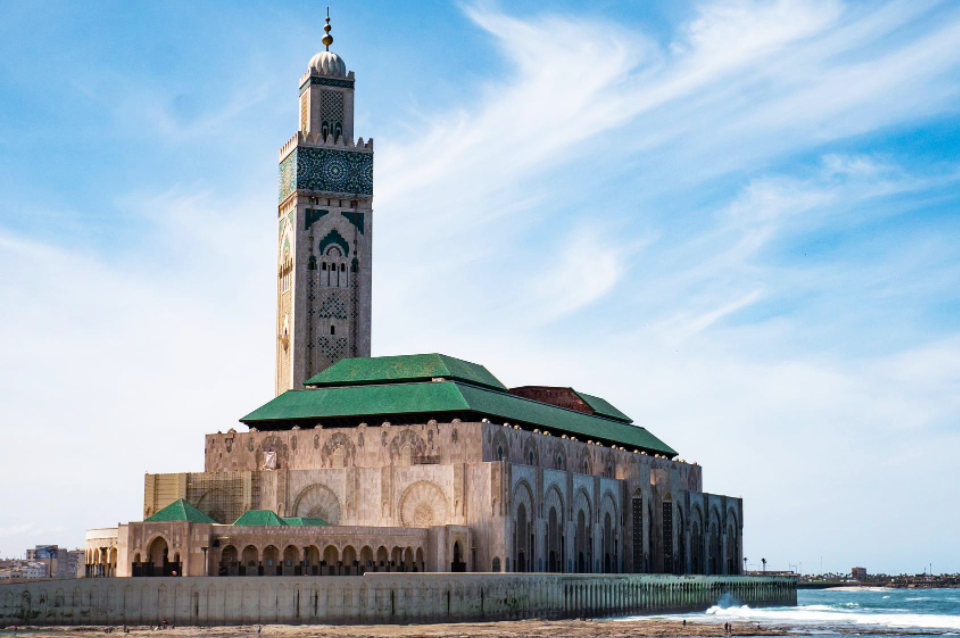
Never mock Islam, Muslim practices, or enter mosques without explicit permission (most are closed to non-Muslims, except for the Hassan II Mosque in Casablanca and a few others). Avoid discussing religion in a dismissive manner, and never touch the Quran without permission.
2. Don’t Display Affection Publicly
While Morocco is modernizing, public displays of affection between unmarried couples—especially kissing and hugging—are considered disrespectful and inappropriate. Holding hands is acceptable in tourist areas, but passionate displays should be reserved for private settings.
3. Don’t Drink Alcohol Carelessly
While alcohol is available in tourist areas and restaurants, drinking publicly on the streets or in non-tourist zones is disrespectful. Never offer alcohol to locals without knowing their personal or religious stance. Drunken behavior is particularly offensive and unacceptable.
4. Don’t Point or Gesture Rudely
Pointing at people is considered rude and disrespectful in Moroccan culture. Similarly, the “thumbs up” gesture, while positive in some cultures, can be offensive in Morocco. Use open hand gestures instead when directing or indicating something.
5. Don’t Photograph Religious Moments
Never photograph people praying, religious ceremonies, or sacred moments without explicit permission. This is a serious breach of respect and privacy. Always ask first in all situations.
6. Don’t Refuse Food or Drink Offerings
Refusing offered tea or food can be seen as rejecting Moroccan hospitality and kindness. Even if you’re not hungry, accept at least a small amount and taste it. You can politely decline a second serving after trying the first.
7. Don’t Criticize Morocco or Compare It Unfavorably
Avoid making negative comments about Morocco, its government, infrastructure, or comparing it unfavorably to your home country. Moroccans take great pride in their nation, and criticism is perceived as disrespectful and offensive.
8. Don’t Engage in Illegal Activities
Drug possession, trafficking, and use are serious crimes in Morocco with severe penalties, including lengthy imprisonment. Respect local laws strictly, particularly regarding controlled substances. What might be decriminalized in your country could result in imprisonment in Morocco.
9. Don’t Disrespect Women or Engage in Harassment
Women in Morocco deserve the same respect as anyone else. Catcalling, unwanted advances, or disrespectful behavior toward women is unacceptable. Single male travelers, especially, should maintain appropriate boundaries and avoid misinterpreting friendliness as romantic interest.
10. Don’t Neglect to Bargain Aggressively or Disrespectfully
While bargaining is expected, aggressive negotiation, insulting offers, or disrespectful haggling can offend shop owners. Approach the process as a friendly exchange, not a battle. If the price doesn’t suit you, smile and walk away gracefully.
11. Don’t Ignore Local Customs in Conservative Areas
In rural regions and smaller towns, customs are more strictly observed. Dress more conservatively, be more reserved, and show greater respect for religious practices than you might in cosmopolitan Casablanca or Marrakech.
12. Don’t Use Your Feet Disrespectfully
In Islamic culture, showing the soles of your feet or pointing your feet toward someone is disrespectful. When sitting, cross your legs at the knee or tuck your feet beneath you.
13. Don’t Take Photos of Military or Government Buildings
Photographing military installations, government buildings, or sensitive infrastructure is prohibited and can result in your camera being confiscated or legal consequences.
14. Don’t Assume Everyone Speaks English
While English is increasingly understood in tourist areas, many Moroccans speak French or Arabic. Learn basic phrases and carry a translation app. Being prepared shows respect and facilitates better interactions.
15. Don’t Ignore Guides or Act Superior
If you hire a guide, listen respectfully to their expertise and perspective. Avoiding their advice or acting as though you know better is disrespectful and dismissive of their knowledge and livelihood.
Practical Tips and Recommendations
Dress Code Guidelines
- For Women: Wear long pants, skirts, or dresses that reach below the knee. Cover shoulders with long-sleeved shirts, lightweight cardigans, or shawls. In coastal tourist areas, swimwear is acceptable, but cover up when walking through towns.
- For Men: Avoid shorts in public areas outside beaches and resorts. Lightweight, long pants and short-sleeved shirts are ideal for the climate while maintaining respect.
Religious Observance During Ramadan
If visiting during Ramadan, expect modified business hours, closed restaurants during the day, and changed meal times. Embrace the experience by dining at sunset with locals, enjoying the festive atmosphere, and showing patience and understanding.
Negotiating in Souks
Bargaining is expected but should be conducted with genuine interest. Start at 50-70% of the asking price and work upward. Expect to settle around 30-40% off. Never rush the process—enjoy the interaction and build rapport with sellers.
Safety and Respectable Behavior
Morocco is generally safe for tourists, but avoiding solo nighttime walks in unfamiliar areas is wise. Traveling in groups, especially for women, is recommended. Trust your instincts and avoid situations that feel uncomfortable.
Tipping Etiquette
While not mandatory, tipping (around 10%) is appreciated in restaurants and for services. Rounding up taxi fares or leaving small change for guides is customary and shows appreciation.
Key Phrases for Respectful Communication
- Salam alaikum (Peace be upon you) – A respectful greeting
- Labas? (How are you?) – Friendly inquiry
- Shukran (Thank you) – Expression of gratitude
- Afak (Please) – Polite request
- Wakha (Okay/Alright) – Agreement
- Smahni (Excuse me) – Polite interruption
- La, Shukran (No, thank you) – Respectful refusal
- Ma’a al-salama (Goodbye) – Farewell with well-wishes
Conclusion
Morocco is a destination of extraordinary beauty, rich heritage, and genuine warmth. By understanding and respecting Moroccan cultural norms, you transform from a tourist into a welcomed guest. The dos and don’ts outlined in this guide are not restrictions but gateways to authentic experiences and meaningful connections with the Moroccan people.
Approach Morocco with an open heart, a respectful attitude, and a sincere desire to learn. Ask questions, accept invitations, taste unfamiliar foods, and embrace the unexpected. The Moroccans’ legendary hospitality—reflected in the Arabic phrase “Diyafa” (sacred hospitality)—will welcome you warmly if you reciprocate with respect and consideration.
Your journey through Morocco’s bustling medinas, serene Sahara dunes, and mountainous landscapes will be enriched immeasurably by cultural sensitivity. Whether you’re sipping mint tea in a riad, negotiating in a spice souk, or watching the sunset over the Sahara, remember that you’re not just visiting a place—you’re entering a living culture. Treat it, and its people, with the dignity and respect they deserve, and Morocco will gift you memories that will last a lifetime.
Safe travels, and welcome to Morocco—a destination where every respectful gesture creates a bridge between cultures.
FAQs
FAQ 1: Is it safe for women to travel alone in Morocco?
Morocco is generally safe for solo female travelers, though some extra precautions are wise. Dress conservatively, avoid solo nighttime outings in unfamiliar areas, and trust your instincts. Many female travelers report wonderful experiences. Join group tours if you feel more comfortable, and utilize hotel concierge services for advice on safe areas to explore.
FAQ 2: What should I do if I’m invited to a Moroccan wedding or family celebration?
Accept the invitation graciously and ask about appropriate attire. Bring a modest gift such as dates, pastries, or flowers. Dress conservatively and formally. Women should avoid black (associated with mourning), and men should wear traditional djellabas if provided or formal Western clothing. Participate in celebrations respectfully, follow the lead of hosts regarding gender-separated activities, and enjoy the warm hospitality extended to you.
FAQ 3: How should I respond to advances or unwanted attention from street vendors or locals?
Unwanted attention, particularly in tourist-heavy areas, is common. Politely but firmly decline (“La, shukran”) and continue walking. Avoid eye contact if you’re uncomfortable. Walking with confidence, dressing conservatively, and staying in groups reduces unwanted attention. Report any serious harassment to authorities or your hotel. Most interactions are friendly, but maintaining boundaries is important.
FAQ 4: Is it acceptable to drink tap water in Morocco?
Tap water in major cities like Casablanca, Marrakech, and Fez is generally safe, though many locals prefer bottled water for taste. In remote areas, bottled water is recommended. Always carry water with you, stay hydrated in the hot climate, and avoid ice unless you’re certain it’s made from filtered water. Ordering water (“Agua”) at restaurants is normal and expected.
FAQ 5: What is the best way to experience Moroccan culture authentically without offending locals?
Engage respectfully: learn basic phrases, ask permission before photographing, accept hospitality graciously, respect religious practices, dress appropriately, and show genuine interest in Moroccan traditions. Eat local food, explore beyond tourist sites (with proper precautions), hire local guides, and purchase from small artisans. Travel slowly, observe carefully, listen more than you speak, and approach interactions with humility and appreciation. Your genuine respect and curiosity will open doors and create meaningful connections.