Best Places to Visit in Morocco for First-Time Travelers
Morocco stands as one of North Africa’s most enchanting destinations, offering first-time travelers a captivating blend of ancient medinas, stunning desert landscapes, pristine beaches, and vibrant culture. From the snow-capped Atlas Mountains to the bustling souks of Marrakech, this North African gem provides an unforgettable experience that seamlessly bridges Africa, Europe, and the Arab world. Whether you’re seeking adventure, cultural immersion, or relaxation, Morocco delivers experiences that will transform your travel perspective.
Top Destinations in Morocco
1. Marrakech: The Red City
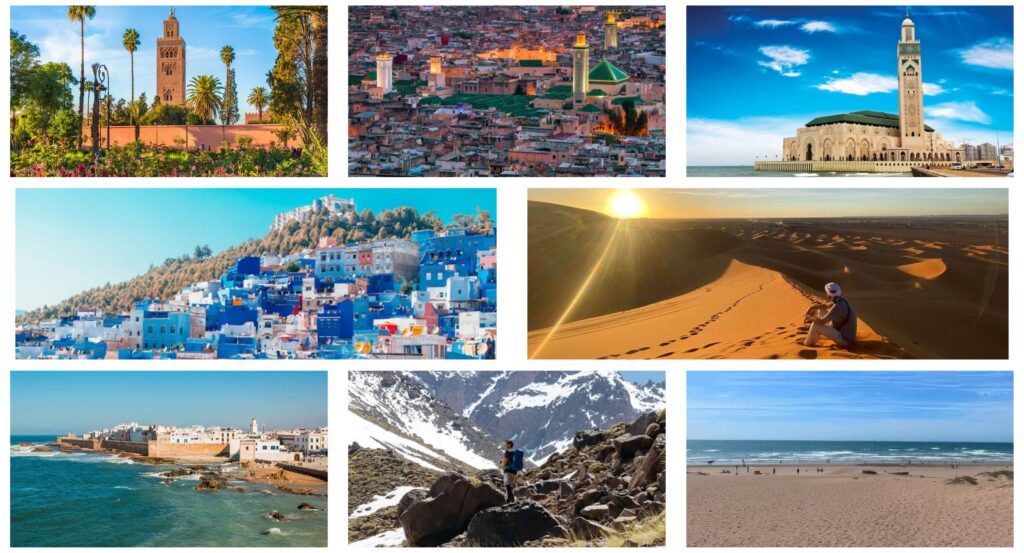
Marrakech remains Morocco’s most iconic destination and an essential stop for first-time visitors. This ancient city captivates travelers with its mesmerizing blend of tradition and modernity. The stunning medina features narrow winding streets filled with traditional crafts, spices, and textiles. Jemaa el-Fnaa square serves as the vibrant heart of Marrakech, where snake charmers, storytellers, and musicians create an atmospheric spectacle.
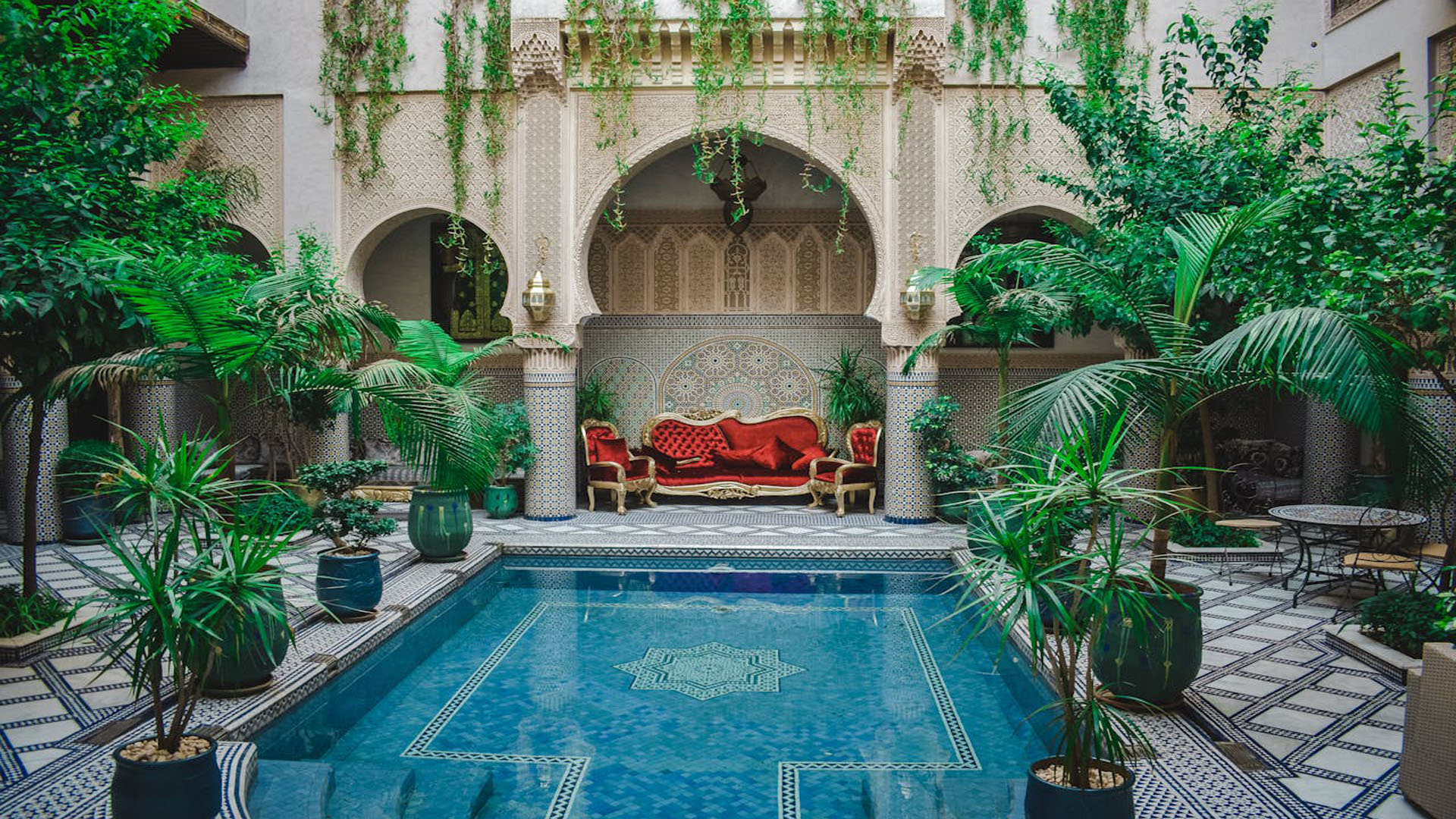
Key attractions include the beautiful Koutoubia Mosque, the serene Majorelle Garden with its electric blue buildings and exotic plants, and the impressive Bahia Palace that showcases traditional Moroccan architecture. The medina’s riads—traditional houses with interior courtyards—offer authentic accommodation experiences that transport you back in time.
2. Fez: Morocco’s Cultural Capital
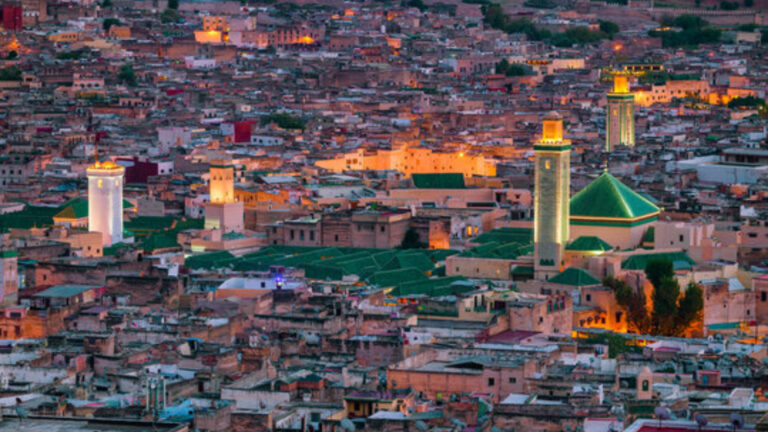
Fez houses one of the world’s oldest universities and represents the intellectual heart of Morocco. The medina of Fez is a UNESCO World Heritage site and one of the largest car-free urban areas globally. Walking through its labyrinthine streets feels like stepping into medieval times, with leather tanneries, metalwork shops, and manuscript sellers preserving centuries-old traditions.
The famous Al Quaraouiyine Library and University, founded in 859 AD, stands as testimony to Morocco’s scholarly heritage. First-time visitors should explore the stunning blue gates of Bab Bou Jeloud and visit the intricate tilework of the Dar Batha Museum.
3. Casablanca: Modern Morocco
As Morocco’s largest city and economic hub, Casablanca offers a different perspective of the country. The Hassan II Mosque, with its iconic minaret overlooking the Atlantic Ocean, represents modern Islamic architecture at its finest. The mosque’s breathtaking location and intricate design make it one of Africa’s most impressive religious structures.
The Corniche district provides excellent restaurants and cafes with ocean views, while the medina offers authentic experiences away from the typical tourist circuit. Casablanca serves as the perfect introduction to contemporary Moroccan life.
4. Chefchaouen: The Blue City
Nestled in the Rif Mountains, Chefchaouen enchants visitors with its distinctive blue-painted buildings and narrow streets. This picturesque town offers a refreshing escape from busier tourist destinations and provides stunning photography opportunities around every corner. The blue color traditionally protected homes from insects, but today it creates an ethereal, dreamlike atmosphere.
Exploring Chefchaouen’s medina, visiting the Kasbah, and hiking in the surrounding mountains provide varied experiences. The town’s peaceful ambiance and cooler mountain climate make it perfect for a relaxing retreat.
5. The Sahara Desert: Merzouga and Erg Chebbi
No Moroccan journey is complete without experiencing the vast Sahara Desert. Merzouga, a small desert town, serves as the gateway to Erg Chebbi, featuring massive golden sand dunes that create an otherworldly landscape. Camel trekking across the dunes at sunrise or sunset delivers magical moments you’ll cherish forever.
A typical Sahara experience includes spending a night in a traditional Berber camp under the stars, enjoying authentic cuisine, and witnessing the stunning desert sunset. The silence and immensity of the desert provide profound perspective and spiritual renewal.
6. Essaouira: Coastal Charm
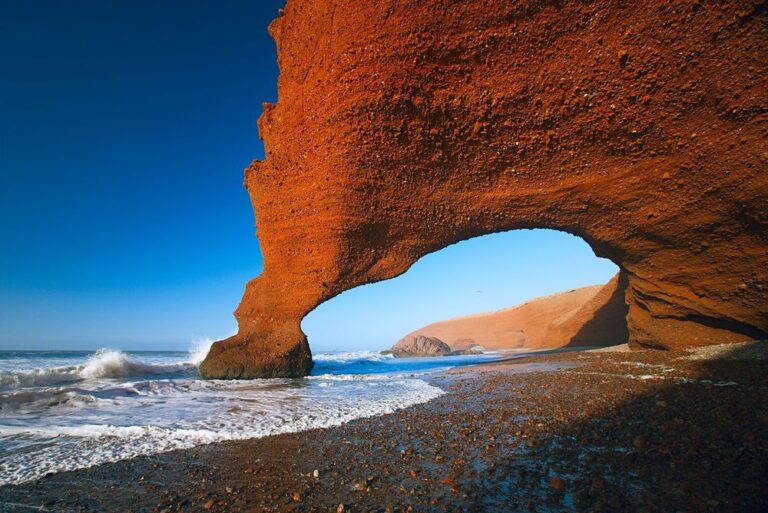
This charming coastal town on the Atlantic Ocean offers a refreshing contrast to inland destinations. Essaouira combines beautiful beaches, fresh seafood, and bohemian atmosphere with welcoming locals. The fortified medina features blue and white buildings that create a Mediterranean feel, while the working harbor bustles with fishing activity.
The town’s laid-back vibe, excellent surfing spots, and nearby Mogador Island make it ideal for beach lovers and water sports enthusiasts. Essaouira also serves as an excellent base for exploring the surrounding coastal regions.
7. The Atlas Mountains and Imlil Valley
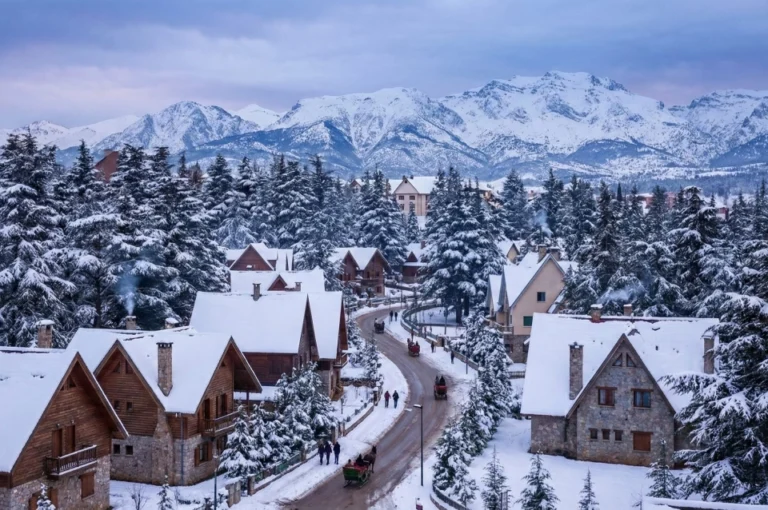
The Atlas Mountains offer breathtaking landscapes and authentic Berber culture. Imlil Valley, a picturesque mountain region, provides excellent hiking opportunities with stunning views of North Africa’s highest peak, Mount Toubkal. Trekking through traditional Berber villages, visiting local cooperatives, and experiencing mountain hospitality create meaningful connections with Moroccan culture.
Staying in mountain guesthouses and sharing meals with local families offer insights into traditional Moroccan mountain life that cannot be replicated elsewhere.
8. Aïn Diab Beach
Near Casablanca, this beautiful beach destination offers modern facilities, excellent restaurants, and a more contemporary beach experience. Perfect for swimming, sunbathing, and enjoying fresh seafood, Aïn Diab provides an ideal day trip or weekend escape.
Practical Travel Tips and Recommendations
Best Time to Visit: October through April offers pleasant temperatures, avoiding the intense summer heat. Spring and autumn provide ideal weather for exploring both mountains and deserts.
Getting Around: Domestic flights connect major cities efficiently. Train services between cities are reliable and scenic. Grand taxis and buses are economical but require patience. Renting a car provides flexibility for exploring remote regions.
Accommodation Options: From luxury riads in medinas to modern hotels and desert camps, Morocco offers diverse accommodation to suit all budgets. Booking through reputable platforms ensures safety and quality.
Currency and Money: The Moroccan Dirham (MAD) is the local currency. ATMs are widely available in cities, though rural areas may require cash. Haggling is expected in souks but not in fixed-price shops.
Language: Arabic and French are primary languages, with English spoken in tourist areas. Learning a few basic French or Arabic phrases enhances interactions with locals.
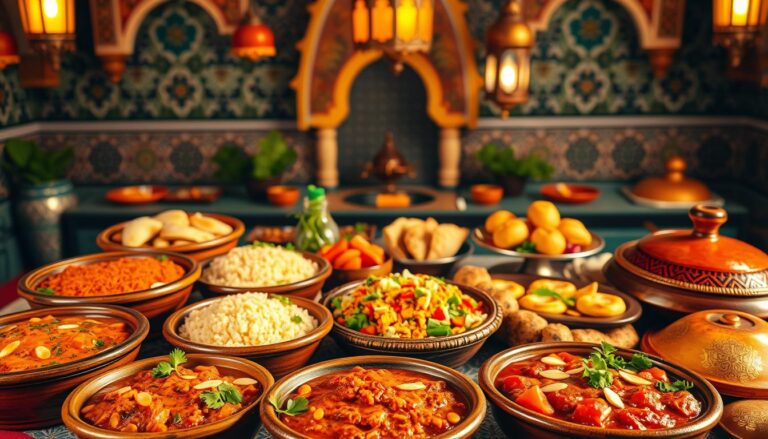
Food and Dining: Moroccan cuisine is exceptional—try tagines, couscous, pastilla, and fresh mint tea. Street food is generally safe and delicious. Vegetarian options are abundant.
Safety: Morocco is generally safe for tourists. Exercise normal travel precautions, avoid displays of wealth, and respect local customs and dress modestly in conservative areas.
Health Precautions: Ensure vaccinations are current, drink bottled water, and carry comprehensive travel insurance. Medical facilities in major cities are adequate.
Visa Requirements: Check your country’s specific requirements, as many nationalities receive 90-day visa-free entry.
Cultural Sensitivity: Respect Islamic customs, ask permission before photographing people, and dress conservatively. Friday is the holy day—expect reduced services in some areas.
Conclusion
Morocco represents an extraordinary destination offering diverse experiences that cater to every traveler’s interests. From the hustle and bustle of ancient medinas to the serene silence of the Sahara, from snow-capped mountain peaks to pristine Atlantic beaches, Morocco delivers transformative travel experiences that linger in your heart long after departure.
First-time travelers should approach Morocco with open minds and respectful attitudes toward its rich culture and traditions. The Moroccan people’s legendary hospitality, combined with the country’s stunning natural beauty and historical significance, creates an irresistible destination that promises unforgettable memories.
Whether you’re a history enthusiast, adventure seeker, beach lover, or cultural explorer, Morocco welcomes you with open arms. Plan your journey thoughtfully, pack your sense of wonder, and prepare for the adventure of a lifetime. Morocco awaits to captivate your senses and enrich your soul.
FAQ
How many days do I need to visit Morocco?
For a comprehensive first-time experience, 7-10 days is ideal. This allows visits to Marrakech, Fez, a desert experience, and coastal areas without feeling rushed. However, even 4-5 days provides meaningful exploration of primary destinations.
Is Morocco safe for solo travelers?
Yes, Morocco is considered safe for solo travelers, including solo female travelers. The Moroccan people are generally welcoming and helpful. Standard travel safety practices and cultural awareness ensure positive experiences. Join group tours if you prefer companionship and structured activities.
What should I pack for a Morocco trip?
Pack lightweight, breathable clothing for warm days, comfortable walking shoes for exploring medinas, and a light jacket for cooler evenings in mountains. Include sunscreen, sunglasses, and a hat for protection. For desert trips, bring layers as temperatures fluctuate significantly. Modest clothing respects local customs, particularly in conservative areas.
How much does a typical Morocco trip cost?
Morocco offers excellent value for money. Budget travelers spend $30-50 daily, mid-range tourists $60-100 daily, and luxury travelers $150+ daily. Costs vary based on accommodation choices, dining preferences, and activity selections. Guided tours, camel treks, and specialist experiences add to expenses but provide invaluable memories.
Can I visit multiple cities in one trip?
Absolutely. Morocco’s relatively compact size and efficient transportation networks enable multi-city itineraries. A typical route combines Casablanca, Marrakech, Fez, a desert experience, and Essaouira. Alternatively, combine mountain trekking with coastal relaxation for balanced itineraries.