Best Places to Visit in Morocco in Winter
Morocco transforms into a captivating winter wonderland between December and February, offering travelers an enchanting blend of snow-capped mountains, sunny coastal escapes, and vibrant cultural experiences. While much of Europe shivers under harsh winter conditions, Morocco presents a remarkably diverse climate that caters to every type of traveler—from snow enthusiasts seeking Alpine adventures to sun-seekers craving Mediterranean warmth.
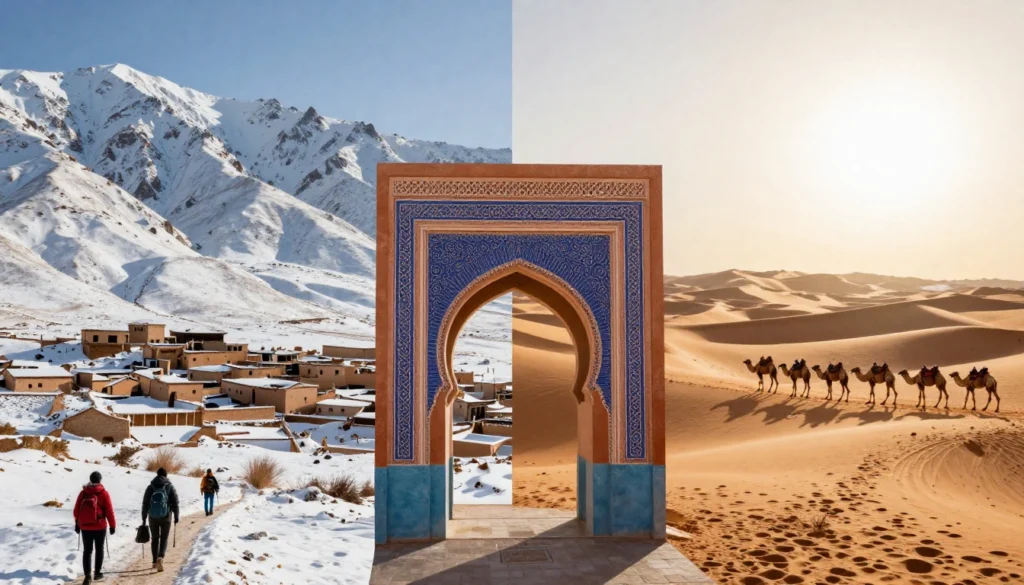
Winter in Morocco is arguably the best-kept secret in North African tourism. The country’s unique geography creates microclimates that allow you to ski in the Atlas Mountains in the morning and enjoy a sunset camel ride in the Sahara Desert by evening. This season offers comfortable temperatures for exploring imperial cities, fewer crowds at major attractions, and an authentic glimpse into Moroccan life during traditional festivals and celebrations.
Why Visit Morocco in Winter?
Perfect Weather for Exploration
Morocco’s winter climate is surprisingly mild, especially in coastal and southern regions. While northern cities like Tangier and Chefchaouen experience cooler temperatures with occasional rainfall, cities such as Marrakech, Agadir, and Essaouira enjoy pleasant daytime temperatures ranging from 18°C to 22°C (64°F to 72°F). This makes winter ideal for walking tours, exploring medinas, and outdoor activities without the scorching summer heat.
The Sahara Desert becomes particularly inviting during winter months. Summer temperatures that soar above 45°C (113°F) drop to a comfortable 20-25°C (68-77°F) during the day, making desert expeditions not just bearable but genuinely enjoyable. Nighttime temperatures do drop significantly, sometimes near freezing, but this creates spectacular stargazing conditions under crystal-clear skies.
Fewer Crowds, Better Experiences
Winter is considered Morocco’s shoulder season, meaning popular destinations like Marrakech’s Jemaa el-Fnaa square, Fes’s labyrinthine medina, and Chefchaouen’s blue streets are significantly less crowded. You’ll have more intimate experiences at riads, better opportunities for genuine interactions with locals, and easier access to popular restaurants and attractions without long waits.
This quieter period also means better deals on accommodation and tours. Many hotels and riads offer discounted rates, and you’ll have more bargaining power in the souks. Tour operators are more flexible with private excursions, and you’re likely to receive more personalized attention from guides and hosts.
Unique Winter Activities
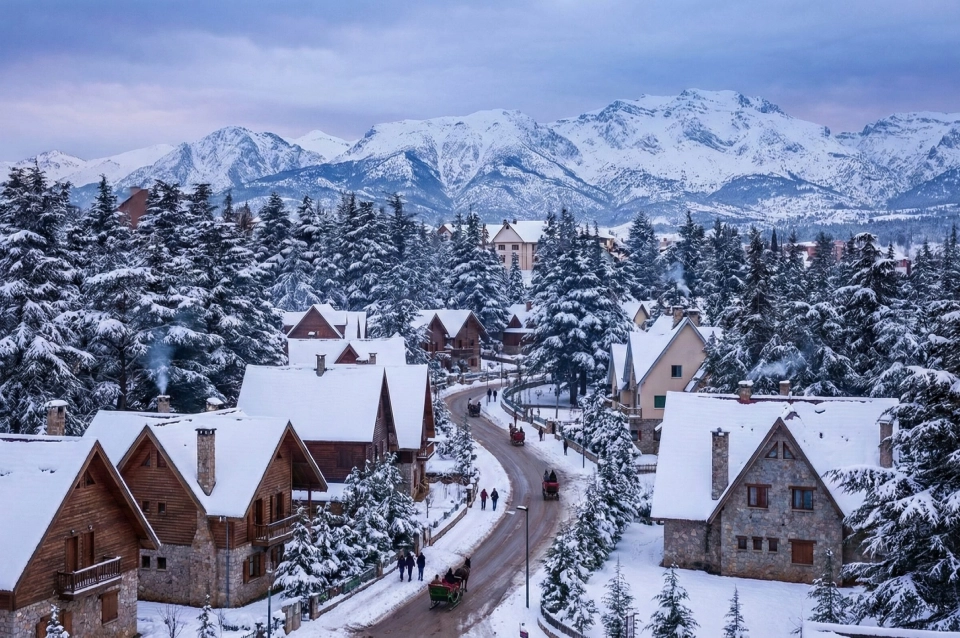
Morocco in winter opens up activities unavailable during other seasons. The Atlas Mountains receive regular snowfall, transforming Oukaimeden and Michlifen into functioning ski resorts. While these facilities may not rival European Alps destinations, they offer a unique experience of skiing in Africa with views of traditional Berber villages dotting the mountainsides.
Winter also brings vibrant cultural festivals. The Marrakech International Film Festival typically occurs in December, while various moussems (religious festivals) take place in different regions, offering authentic cultural immersion opportunities rarely seen by tourists.
Top Destinations for Winter Travel in Morocco
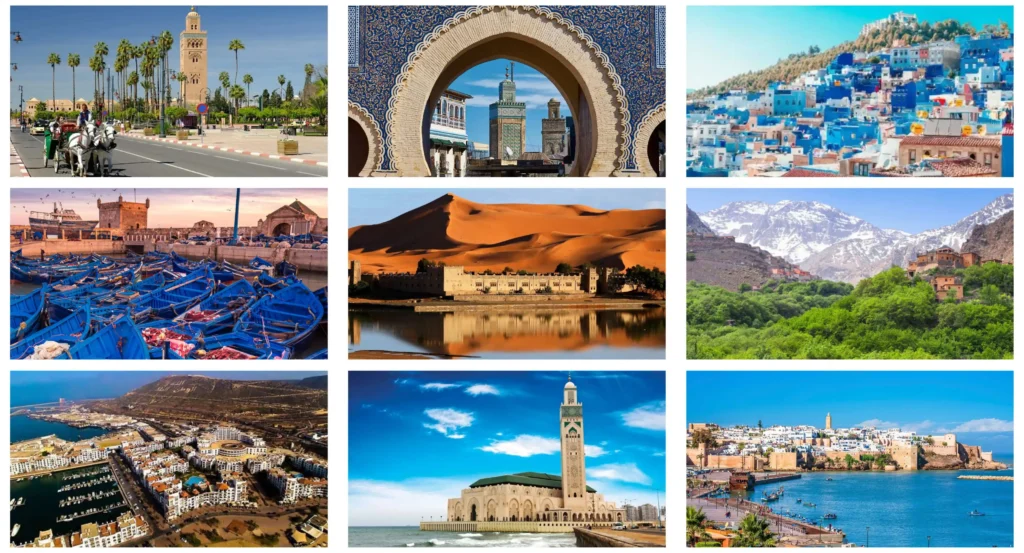
Marrakech: The Red City’s Winter Charm
Marrakech shines during winter months with comfortable temperatures perfect for exploring its bustling souks, historic palaces, and tranquil gardens. The city’s nickname, “The Red City,” refers to its distinctive red sandstone buildings that glow magnificently under the softer winter sunlight.
Must-Visit Attractions:
- Jemaa el-Fnaa Square: The heart of Marrakech comes alive each evening with snake charmers, storytellers, musicians, and food stalls. Winter’s cooler temperatures make evening visits far more comfortable.
- Majorelle Garden: This botanical garden, once owned by Yves Saint Laurent, is particularly lush in winter when temperatures favor plant growth and exploration is pleasant.
- Bahia Palace: An architectural masterpiece showcasing Moroccan craftsmanship with intricate tile work, carved cedar ceilings, and beautiful courtyards.
- Koutoubia Mosque: While non-Muslims cannot enter, the 77-meter minaret dominates the skyline and is particularly photogenic during winter’s golden hour.
Winter Activities in Marrakech:
- Take cooking classes in traditional riads to learn tagine and couscous preparation
- Visit hammams for authentic Moroccan spa experiences
- Explore the souks without overwhelming heat—perfect for leather goods, spices, and handicrafts shopping
- Day trips to the Atlas Mountains for hiking or skiing (only 60 kilometers away)
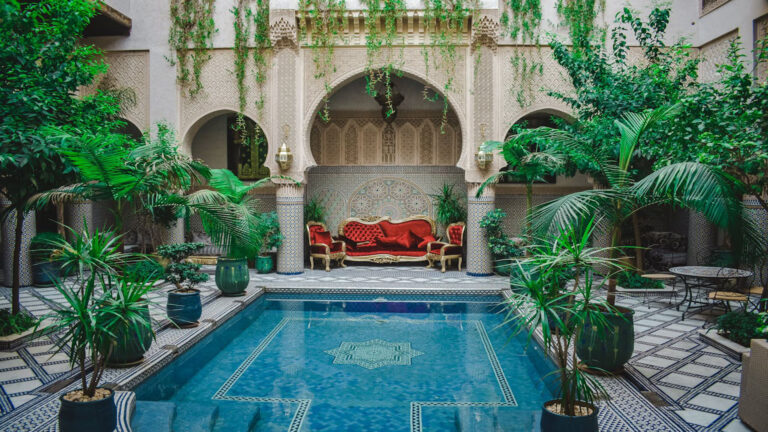
Accommodation Tips: Stay in a traditional riad within the medina for an authentic experience. Properties like Riad Yasmine, La Sultana, or budget-friendly Riad Dar Anika offer heated pools and cozy fireplaces—essential for chilly winter evenings.
Fes: Medieval Marvel in Winter
Fes, Morocco’s spiritual and cultural capital, becomes particularly magical in winter. The ancient medina of Fes el-Bali, a UNESCO World Heritage Site, is the world’s largest car-free urban zone and one of the best-preserved medieval cities globally.
Essential Experiences:
- Chouara Tannery: Visit in winter when the smell is less overwhelming. Watch leather artisans work using techniques unchanged for centuries.
- Al-Qarawiyyin University: Founded in 859 AD, it’s considered the world’s oldest continuously operating degree-granting university.
- Bou Inania Madrasa: This 14th-century Islamic school showcases stunning Marinid architecture with intricate zellige tilework.
- Fes el-Bali Medina: Get gloriously lost in over 9,000 narrow alleyways—hire a local guide to discover hidden workshops and historic fondouks.
Cultural Immersion: Fes offers unparalleled opportunities for authentic cultural experiences. The city’s craftsmen still practice traditional trades in small workshops throughout the medina. You can observe copper engravers, silk weavers, ceramic painters, and woodcarvers creating masterpieces using methods passed down through generations.
Winter evenings in Fes are perfect for attending traditional Andalusian music performances or staying in a restored riad with ornate stucco work and warming fireplaces.
Chefchaouen: The Blue Pearl in Winter Mist
Nestled in the Rif Mountains, Chefchaouen‘s famous blue-washed buildings take on an ethereal quality during winter when morning mists roll through the narrow streets. Founded in 1471, this small city offers a peaceful retreat from Morocco’s larger urban centers.
What Makes Winter Special:
- Dramatic mountain scenery with snow-capped peaks providing a stunning backdrop
- Fewer tourists means the blue streets are yours to photograph in peace
- Local cafés become cozy havens with mint tea and mountain views
- Hiking opportunities in the surrounding Talassemtane National Park
Photography Paradise: Chefchaouen is Instagram gold any time of year, but winter’s soft light and occasional fog create particularly atmospheric conditions. The contrast between blue walls and green doors, potted plants with red geraniums, and colorful textiles hanging from balconies becomes even more striking.
Practical Tip: Bring warm layers as Chefchaouen sits at 600 meters elevation and can be quite cool, especially in the evenings. Many accommodations lack central heating, though most provide extra blankets and electric heaters.
Essaouira: Coastal Escape with Winter Winds
This fortified coastal city on the Atlantic offers a completely different Moroccan experience. Known for strong trade winds that attract windsurfers and kitesurfers, Essaouira maintains mild temperatures year-round, making it an excellent winter destination.
Winter Highlights:
- Gnaoua World Music Festival preparations: While the festival occurs in June, winter is when local musicians practice, and you can catch intimate performances
- Medina exploration: UNESCO-listed 18th-century fortifications and narrow streets filled with art galleries and craft shops
- Fresh seafood: The fishing port delivers daily catches cooked to perfection at harborside grills
- Beach walks: Long, sandy beaches perfect for sunset strolls when summer crowds have disappeared
Activities: Essaouira is Morocco’s surfing capital, and winter brings consistent Atlantic swells. Several surf schools offer lessons for beginners, while experienced surfers will find challenging breaks. The strong winds also make it ideal for kitesurfing and windsurfing.
Art lovers will appreciate Essaouira’s thriving creative community. The city has attracted artists for decades, and numerous galleries showcase contemporary Moroccan art, traditional woodwork made from local thuya wood, and textile crafts.
The Sahara Desert: Winter’s Desert Paradise
Experiencing the Sahara Desert is a bucket-list adventure, and winter is unquestionably the best time to visit. The gateway towns of Merzouga and M’Hamid offer access to the stunning Erg Chebbi and Erg Chigaga dunes respectively.
Unforgettable Desert Experiences:
- Camel trekking: Ride into the dunes for sunrise or sunset—winter’s cooler temperatures make these excursions comfortable
- Luxury desert camps: Spend nights in traditional Berber tents equipped with proper beds, en-suite bathrooms, and gourmet dining under the stars
- Sandboarding: Slide down massive dunes on boards—a thrilling activity possible year-round but most enjoyable in winter
- Stargazing: Winter’s clear, dry air creates phenomenal astronomical viewing conditions with minimal light pollution
Getting There: Most visitors access the Sahara via organized tours from Marrakech or Fes, typically 3-day excursions that include stops at Todra Gorge, Dades Valley, and traditional kasbahs. The journey itself is spectacular, crossing the High Atlas Mountains via the Tizi n’Tichka pass at 2,260 meters.
What to Expect: Desert nights in winter can drop to near-freezing temperatures, so camps provide heavy blankets and warm layers. However, this cold creates the magic—campfires under impossibly clear skies filled with countless stars, traditional Berber music echoing across silent dunes, and the extraordinary experience of seeing your breath in the Sahara Desert.
Atlas Mountains: Morocco’s Alpine Wonderland
The Atlas Mountains stretch 2,500 kilometers across Morocco, creating a dramatic barrier between coastal areas and the Sahara. In winter, these mountains offer experiences ranging from gentle valley hikes to serious mountaineering.
Toubkal National Park: Home to North Africa’s highest peak, Mount Toubkal (4,167 meters), this area attracts trekkers year-round. Winter ascents require proper equipment and experience due to snow and ice, but lower-elevation villages like Imlil, Aroumd, and Setti Fatma offer accessible hiking with stunning snow-covered mountain views.
Ski Resorts:
- Oukaimeden: Africa’s highest ski resort at 2,600-3,200 meters offers 20 kilometers of slopes. While facilities are basic compared to European resorts, skiing with views of traditional Berber villages creates a unique experience.
- Michlifen (Ifrane): Near the “Switzerland of Morocco,” this smaller resort offers family-friendly slopes surrounded by cedar forests.
Berber Villages: Winter visits to Atlas Mountain villages provide authentic cultural exchanges. Stay in traditional gîtes (simple guesthouses), share meals with Berber families, and learn about ancient agricultural practices. The contrast between snow-covered peaks and terraced valleys filled with walnut and almond trees is breathtaking.
Practical Advice: Mountain weather can change rapidly. Hire experienced local guides, carry appropriate clothing layers, and inform someone of your trekking plans. Many villages become partially inaccessible after heavy snowfalls, adding to their remote charm but requiring flexibility in travel plans.
Agadir: Beach Resort Winter Refuge
When you need a beach fix during European winter, Agadir delivers. This modern resort city offers 300 days of sunshine annually and winter temperatures rarely dropping below 20°C (68°F).
Why Choose Agadir:
- Reliable sunny weather for beach relaxation
- Modern infrastructure with international hotels and resorts
- Golf courses remaining playable year-round
- Family-friendly beaches with calm waters
- Access to nearby attractions like Paradise Valley and Taghazout surfing village
Beyond the Beach: While Agadir itself was rebuilt after a devastating 1960 earthquake and lacks the historic charm of other Moroccan cities, it serves as an excellent base for exploring the Souss-Massa region. Day trips can include visits to Taroudant (the “Grandmother of Marrakech”), the ancient granaries at Agadir Oufella, and the stunning Anti-Atlas Mountains.
The nearby fishing village of Taghazout has transformed into Morocco’s premier surfing destination. Winter brings consistent Atlantic swells, attracting surfers from around the world. The village maintains a laid-back vibe with beachfront cafés, yoga retreats, and surf camps offering lessons for all skill levels.
Casablanca: Modern Morocco’s Gateway
Morocco’s largest city and economic capital offers a different perspective on the country. While not typically considered a primary tourist destination, Casablanca deserves at least a day or two during a winter Morocco itinerary.
Key Attractions:
- Hassan II Mosque: One of the world’s largest mosques, partially built over the Atlantic Ocean with a 210-meter minaret. It’s one of few mosques in Morocco that non-Muslims can enter (guided tours available).
- Rick’s Café: A recreation of the famous bar from the 1942 film “Casablanca,” offering nostalgic atmosphere and decent international cuisine.
- Corniche: The beachfront promenade lined with restaurants, clubs, and beach clubs—pleasant for winter afternoon walks.
- Art Deco Architecture: Downtown Casablanca features stunning French colonial-era Art Deco buildings worth exploring.
Modern Moroccan Life: Casablanca provides insight into contemporary Morocco. The city’s business districts, modern shopping malls, trendy restaurants, and cosmopolitan atmosphere contrast sharply with traditional imperial cities, offering a more complete understanding of this diverse nation.
Rabat: The Sophisticated Capital
Morocco’s capital city combines historical significance with modern governance. Less touristy than Marrakech or Fes, Rabat offers relaxed exploration of important cultural sites.
Must-See Sites:
- Hassan Tower: An incomplete 12th-century minaret standing alongside the Mausoleum of Mohammed V
- Kasbah of the Udayas: A picturesque fortress with blue and white painted streets overlooking the Atlantic
- Chellah: Ancient Roman and medieval ruins within fortified walls—peaceful and often overlooked
- Medina: More organized than other Moroccan medinas, perfect for shopping without overwhelming hustle
Winter Advantage: Rabat’s coastal location means mild winter temperatures and less tourist congestion. The city’s wide boulevards, modern tram system, and numerous parks make navigation easy and pleasant.
Practical Winter Travel Tips for Morocco
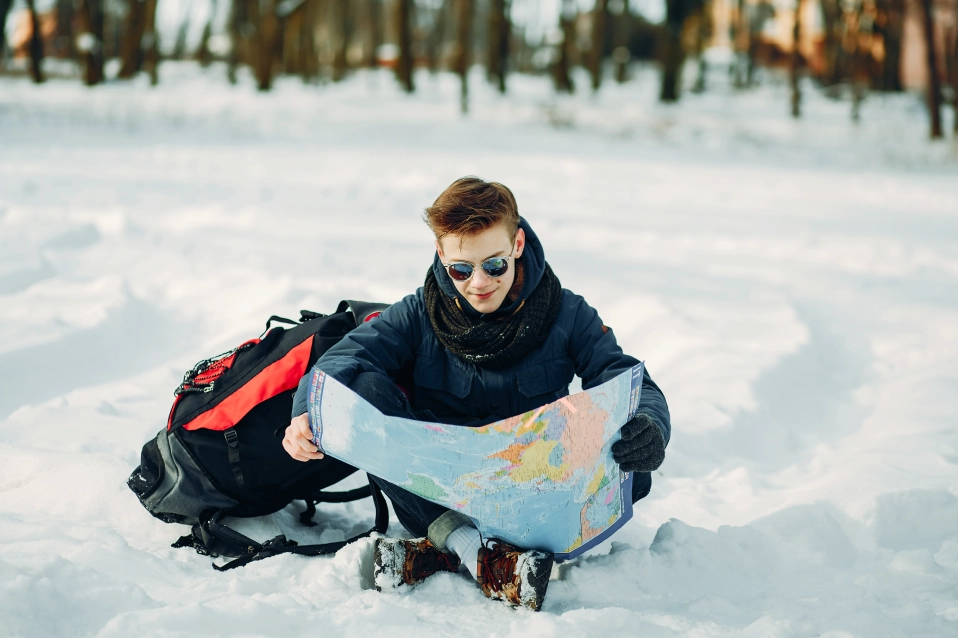
What to Pack
Morocco’s diverse winter climates require strategic packing. A typical winter itinerary might include coastal cities, mountains, desert, and urban centers—each with different requirements.
Essential Clothing:
- Layering pieces: Thermal underwear, long-sleeve shirts, fleece or sweater, waterproof jacket
- Comfortable walking shoes with good grip (streets can be slippery when wet)
- Warm jacket or coat for evenings and mountain regions
- Light clothes for daytime in southern regions and the desert
- Scarf, hat, and gloves for mountain and desert nighttime temperatures
- Modest clothing respecting local customs (shoulders and knees covered, especially for women)
- Swimsuit for riads/hotels with pools and hammam visits
Other Essentials:
- Sun protection (sunscreen, sunglasses, hat)—winter sun can be strong
- Reusable water bottle
- Power adapter (Morocco uses European-style two-pin plugs, 220V)
- Headlamp or small flashlight (useful in medinas and camps)
- Daypack for excursions
- Hand sanitizer and wet wipes
- Basic first-aid kit and any prescription medications
Desert-Specific Items: If visiting the Sahara, bring a warm sleeping bag liner, face covering for sand protection, and extra batteries (cold temperatures drain them faster).
Transportation Insights
International Arrival: Morocco has several international airports. Casablanca’s Mohammed V International Airport is the largest hub, but direct international flights also serve Marrakech, Fes, Tangier, Agadir, and Rabat. Winter flight prices are generally lower than summer, and you’ll find good deals from European cities.
Domestic Travel Options:
- Trains: Morocco has an excellent rail network connecting major cities (Casablanca, Rabat, Marrakech, Fes, Tangier, Meknes). Trains are comfortable, punctual, and affordable. The Al Boraq high-speed train connects Casablanca and Tangier in just over two hours.
- CTM Buses: This reputable company operates comfortable, air-conditioned buses between cities not served by trains. Book tickets in advance during winter holidays.
- Grand Taxis: Shared Mercedes taxis running fixed routes between cities—authentic but cramped (six passengers plus driver).
- Private Drivers: For flexibility and comfort, hire private drivers through your accommodation or reputable tour companies. Expect to pay €80-150 per day depending on distance and vehicle type.
- Car Rental: Possible but challenging for first-time visitors due to chaotic traffic, unmarked roads, and aggressive driving styles. If you rent, choose a 4×4 for mountain and desert areas.
Navigation Tips: Medinas are deliberately maze-like. Getting lost is part of the experience, but dropping a pin on your accommodation in Google Maps helps. Hiring local guides for a few hours when first arriving in a new city can prevent frustration and provide valuable insights.
Money Matters
Currency: The Moroccan Dirham (MAD) is the official currency. As of winter 2024-2025, exchange rates hover around 1 USD = 10 MAD and 1 EUR = 11 MAD, though these fluctuate.
Cash vs. Cards: Morocco remains largely cash-based, especially in medinas, souks, and rural areas. Major hotels and restaurants in tourist areas accept credit cards, but small shops, riads, and local eateries typically don’t. ATMs are widely available in cities and towns but scarce in rural areas and small villages.
Budget Guidelines:
- Budget travelers: €30-50 per day (hostel dorms, street food, local transport, free attractions)
- Mid-range travelers: €70-120 per day (comfortable riad, sit-down restaurants, occasional tours and taxis)
- Luxury travelers: €200+ per day (upscale riads/hotels, private guides and drivers, fine dining)
Tipping Culture: Tipping is expected in Morocco. General guidelines include 10-20 MAD for porters, 50-100 MAD per day for guides, 10-15% in restaurants, and small amounts (5-10 MAD) for helpful service like parking attendants or bathroom attendants.
Bargaining: In souks and with unlicensed guides or taxi drivers, bargaining is expected and part of the cultural experience. Start at 40-50% of the asking price and negotiate from there. Be friendly, smile, and walk away if the price doesn’t meet your expectations—often, vendors will call you back with better offers.
Health and Safety Considerations
Vaccinations: No specific vaccinations are required for Morocco, but standard travel immunizations (Hepatitis A, Typhoid, Tetanus) are recommended. Consult your doctor 6-8 weeks before departure.
Water and Food Safety: Don’t drink tap water in Morocco. Bottled water is cheap and widely available. Be cautious with street food initially—choose busy stalls where food turnover is high and items are freshly cooked. Most travelers experience minor stomach adjustments; carry anti-diarrheal medication just in case.
Travel Insurance: Comprehensive travel insurance is essential. Ensure coverage includes medical evacuation, as serious medical issues may require transfer to Casablanca or Rabat. Winter mountain and desert activities may require specific adventure sports coverage.
Safety for Travelers: Morocco is generally safe for tourists. Petty theft (pickpocketing) occurs in crowded areas, so secure valuables and be aware of surroundings. Women traveling alone should dress modestly and may receive unwanted attention in the form of comments, but serious incidents are rare. Stick to well-traveled routes, especially after dark.
Scams to Avoid: Common scams include fake guides offering help in medinas then demanding payment, shop owners claiming everything is “closing tomorrow” to create urgency, and taxi drivers claiming meters are broken. Research fair prices beforehand and agree on taxi fares before departure.
Cultural Etiquette and Respect
Understanding and respecting Moroccan customs enhances your experience and interactions with locals.
Dress Code: Morocco is a Muslim country with conservative dress norms, especially outside major tourist areas. Women should cover shoulders, chest, and knees. Men should avoid shorts in traditional areas. This becomes particularly important when visiting religious sites or rural villages.
Religious Considerations:
- Most mosques are off-limits to non-Muslims (notable exception: Hassan II Mosque in Casablanca)
- During prayer times (five times daily), respect those praying by being quiet and not obstructing pathways
- If Ramadan falls during your winter visit, eating, drinking, and smoking in public during daylight hours is disrespectful
- Ask permission before photographing people, especially women
Social Norms:
- Remove shoes when entering homes and some guesthouses
- Use your right hand for eating and greeting (the left is considered unclean)
- Public displays of affection between couples are frowned upon
- Accept mint tea when offered—it’s considered rude to refuse hospitality
- Greet people with “Salam alaikum” (Peace be upon you) before starting conversations
Photography Ethics: Always ask permission before photographing people. Some may request payment (5-10 MAD is reasonable). Be particularly sensitive about photographing women, and never photograph police, military installations, or government buildings.
Language Tips
Morocco is multilingual, with Arabic and Berber as official languages and French widely spoken due to colonial history. Spanish is common in northern regions, while English is increasingly understood in tourist areas.
Useful Phrases:
- Hello: “Salam alaikum” (Arabic) / “Labas?” (Darija/Moroccan Arabic)
- Please: “Afak” (Darija) / “S’il vous plaît” (French)
- Thank you: “Shukran” (Arabic) / “Merci” (French)
- How much?: “Shhal?” (Darija) / “Combien?” (French)
- Yes/No: “Naam/La” (Arabic) / “Oui/Non” (French)
- Goodbye: “Bslama” (Darija) / “Au revoir” (French)
Learning a few basic phrases in Darija or French demonstrates respect and often results in warmer interactions and better prices in markets.
Accommodation Recommendations
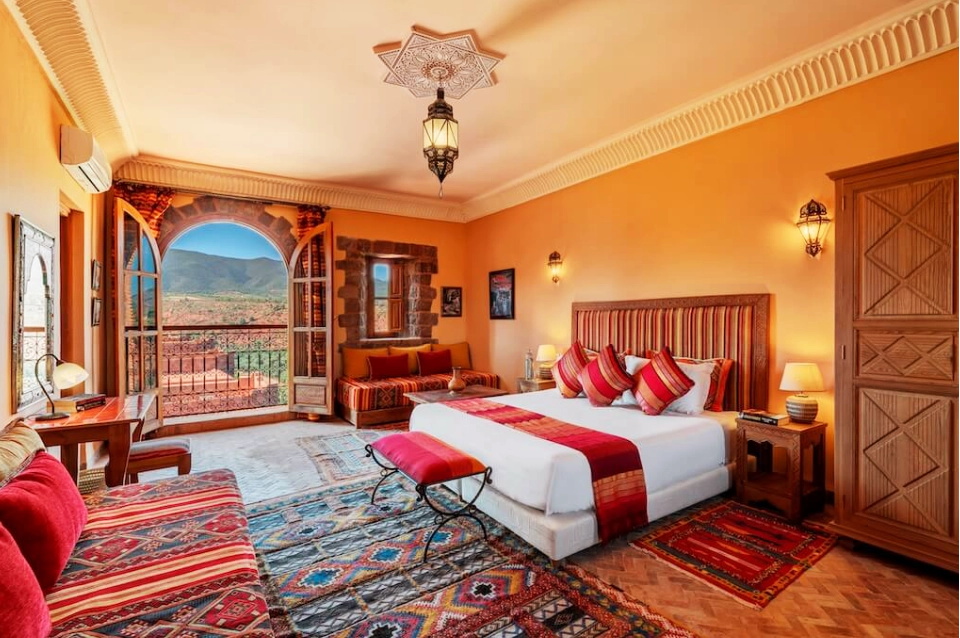
Riads: Traditional Moroccan houses built around central courtyards, now converted into guesthouses. These offer authentic architectural experiences with intricate tilework, carved plaster, and peaceful fountains. Most are located within medinas, providing easy access to attractions but sometimes difficult to find initially. Winter considerations include heating availability—many lack central heating but provide space heaters and extra blankets.
Hotels: International and local chains operate throughout Morocco, offering familiar standards with less cultural immersion. Useful if you prioritize modern amenities, reliable WiFi, and Western-style breakfasts.
Kasbahs and Guesthouses: Especially common near mountain and desert regions, these often family-run establishments provide incredible hospitality and home-cooked meals. Perfect for travelers seeking authentic cultural exchange.
Desert Camps: Range from basic Berber tents to luxury glamping setups with proper beds, en-suite bathrooms, and gourmet dining. Winter camping requires camps with adequate heating and blankets.
Booking Tips: Book accommodations in advance during Christmas and New Year periods when prices spike and availability decreases. For spontaneous travelers, winter’s shoulder season often allows walk-in bookings, though calling ahead is recommended.
Culinary Journey Through Morocco
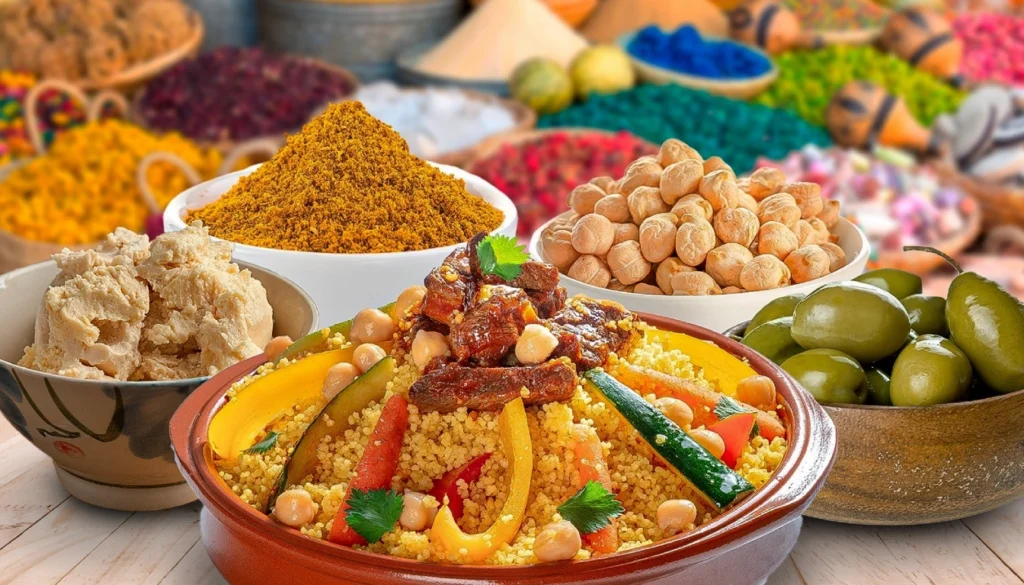
Moroccan cuisine is a feast for the senses, blending Arab, Berber, Mediterranean, and African influences. Winter is an excellent time to enjoy hearty Moroccan dishes.
Must-Try Dishes:
- Tagine: Slow-cooked stew named after the earthenware pot it’s cooked in. Variations include chicken with preserved lemon and olives, lamb with prunes, or vegetable tagines.
- Couscous: Traditionally served on Fridays, this steamed semolina comes with vegetables and your choice of meat.
- Harira: Hearty tomato-based soup with lentils, chickpeas, and lamb—perfect for cold winter evenings.
- Pastilla: Sweet and savory pie traditionally filled with pigeon (now often chicken), almonds, and dusted with cinnamon and powdered sugar.
- Mechoui: Whole roasted lamb, typically reserved for celebrations but available in specialty restaurants.
- Moroccan Salads: Fresh combinations of cooked and raw vegetables served as appetizers.
Street Food Favorites:
- Msemen: Flaky square pancakes often served with honey or stuffed with fillings
- Maakouda: Fried potato cakes served in bread with sauce
- Snail soup: Popular in Marrakech’s Jemaa el-Fnaa square
- Fresh orange juice: Morocco’s oranges are exceptional—street vendors press them fresh
Sweet Treats:
- Chebakia: Sesame cookies covered in honey, especially popular during Ramadan
- Kaab el ghzal: Crescent-shaped almond paste cookies (“gazelle horns”)
- Dates: Medjool dates from the desert regions are among the world’s finest
Beverages:
- Mint tea: Morocco’s national drink, served throughout the day as a gesture of hospitality
- Fresh fruit juices: Avocado, banana, and mixed fruit smoothies are popular
- Moroccan coffee: Strong, sometimes spiced with cardamom
Dining Tips: Eat where locals eat for authentic experiences and better prices. In restaurants, bread is provided free and used for scooping food. Many traditional dishes are designed for sharing. Lunch is the main meal, typically served between 12:30 PM and 2:30 PM.
Sample Winter Itineraries
One Week Morocco Winter Highlights:
Days 1-2: Marrakech Arrive in Marrakech, explore Jemaa el-Fnaa square, Bahia Palace, and Majorelle Garden. Spend evenings enjoying rooftop restaurants overlooking the medina.
Day 3: Day Trip to Atlas Mountains Visit Imlil village, take guided hike to waterfalls, enjoy traditional Berber lunch with mountain views.
Day 4: Travel to Sahara Desert Depart early for Merzouga via Dades Valley and Todra Gorge. Arrive late afternoon, camel trek into Erg Chebbi dunes, overnight in desert camp.
Day 5: Sahara to Fes Watch desert sunrise, return to Merzouga, drive to Fes via Ziz Valley and Middle Atlas cedar forests.
Days 6-7: Fes Explore Fes el-Bali medina with local guide, visit Chouara Tannery, Al-Qarawiyyin University, and Bou Inania Madrasa. Depart from Fes airport or train to Casablanca.
Two-Week Morocco Winter Discovery:
Follow the one-week itinerary but add:
Days 8-9: Chefchaouen Travel from Fes to the Blue Pearl, explore blue streets, hike in nearby mountains, enjoy café culture.
Day 10: Travel to Essaouira Long travel day via Rabat or Casablanca, arriving in coastal Essaouira in the evening.
Days 11-12: Essaouira Beach walks, medina exploration, fresh seafood, surfing or kitesurfing lessons, art galleries.
Days 13-14: Return to Marrakech Coastal drive to Marrakech (3 hours), final souk shopping, hammam experience, farewell dinner at a rooftop restaurant, departure from Marrakech airport.
Ten Days Beach, Desert, and Mountains:
Days 1-3: Agadir Beach relaxation, day trip to Paradise Valley and Taghazout, water sports.
Days 4-6: Sahara Desert Travel to Merzouga, two nights desert camping with camel treks and sandboarding.
Days 7-10: Atlas Mountains and Marrakech Drive to Imlil for Atlas Mountain trekking, continue to Marrakech for final cultural immersion.
Winter Events and Festivals
Marathon des Sables Registration (January): While this famous desert ultramarathon occurs in April, January is when serious runners begin final preparations. The Sahara’s winter trails attract training runners.
Marrakech Popular Arts Festival (Variable Dates): Occasionally held in winter months, featuring traditional music, dance, and folklore from across Morocco.
Moussems (Religious Festivals): Various saints’ festivals occur throughout winter in different regions. These offer authentic cultural experiences with traditional music, horse riding demonstrations, and community celebrations. Exact dates follow the lunar calendar and vary yearly.
New Year’s Celebrations: Major cities, especially Marrakech and Casablanca, host New Year’s Eve parties at hotels and restaurants. Expect Western-style celebrations in tourist areas but don’t expect widespread public festivities as Morocco follows the Islamic calendar.
Almond Blossom Festival (Late February): In Tafraoute and the Anti-Atlas region, almond trees bloom, creating spectacular pink and white landscapes. Local festivals celebrate the harvest with music, dancing, and traditional ceremonies.
Environmental Responsibility and Sustainable Travel
Morocco faces environmental challenges including water scarcity, plastic pollution, and pressure on fragile desert and mountain ecosystems. Responsible travelers can minimize their impact:
Water Conservation:
- Take shorter showers, especially in desert regions
- Reuse hotel towels
- Carry a reusable water bottle with filtration system to reduce plastic waste
- Choose accommodations with sustainable water practices
Plastic Reduction:
- Morocco banned plastic bags in 2016, but enforcement varies
- Bring reusable shopping bags for markets
- Refuse unnecessary packaging
- Properly dispose of trash in designated bins
Supporting Local Communities:
- Choose locally-owned riads, restaurants, and tour operators
- Purchase authentic handicrafts directly from artisans rather than large commercial shops
- Hire local guides from the communities you visit
- Respect local resources—don’t remove rocks, plants, or historical artifacts
Desert and Mountain Ethics:
- Stay on marked trails to prevent erosion
- Pack out all trash, including organic waste
- Don’t feed wild animals
- Choose tour operators committed to environmental practices
- Avoid quad biking in fragile desert ecosystems
Connectivity and Technology
Internet Access: WiFi is available in most hotels, riads, and cafés in cities and tourist areas. Connections can be slow and unreliable, especially in rural areas, mountains, and desert regions. Don’t expect connectivity during desert camping or remote mountain trekking.
Mobile Coverage: Moroccan carriers include Maroc Telecom, Orange, and Inwi. Tourist SIM cards with data packages are available at airports and phone shops—bring your passport for registration. Coverage is excellent in cities and along major routes but limited in remote areas.
Apps to Download:
- Google Maps (download offline maps for regions you’ll visit)
- Google Translate (download Arabic and French for offline use)
- XE Currency Converter
- Uber and Careem (available in major cities)
- CTM bus booking app
Staying Connected: Consider purchasing international roaming packages from your home carrier or buying a Moroccan SIM card for longer stays. Expect to be offline during desert and mountain excursions—embrace the digital detox!
Extending Your Trip: Nearby Regions
Western Sahara: For adventurous travelers, the disputed territory of Western Sahara offers truly off-the-beaten-path experiences. Dakhla, a coastal city on a peninsula, has become popular for kitesurfing. However, travel here requires research on current political situations and border crossing requirements.
Spanish Enclaves (Ceuta and Melilla): These Spanish territories on Morocco’s northern coast offer fascinating cultural contrasts. Visit for a day to experience European architecture, duty-free shopping, and Spanish cuisine before returning to Morocco.
Day Trips to Europe: Morocco’s proximity to Spain means short ferry crossings from Tangier to Tarifa (35 minutes) or Gibraltar. Some travelers combine Moroccan winters with brief Spanish visits, though this requires planning for border crossings and potential visa requirements.
Final Thoughts: Embracing Winter Morocco
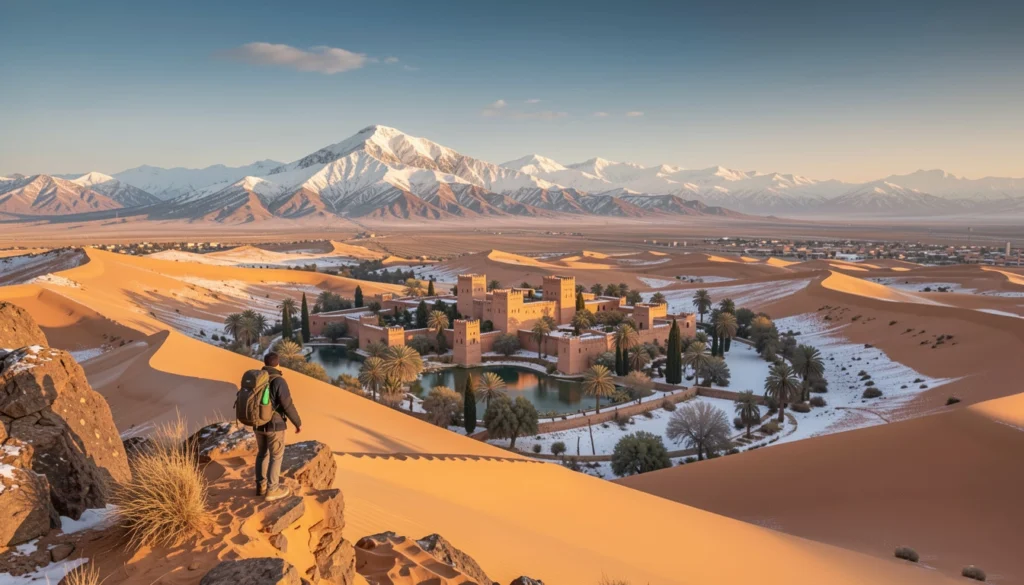
Morocco in winter offers an extraordinary travel experience that balances cultural immersion, natural beauty, and comfortable weather. Unlike summer visits when heat can be oppressive and tourist sites overcrowded, winter provides the optimal conditions for exploration and authentic interactions.
The country’s geographic and climatic diversity means you can craft a winter itinerary matching your exact preferences—whether that’s skiing in the Atlas Mountains, surfing on Atlantic waves, camel trekking through Saharan dunes, or simply losing yourself in the labyrinthine streets of ancient medinas.
Morocco’s winter magic lies in its contrasts: sipping mint tea in a snow-dusted mountain village one day and watching sunset over endless sand dunes the next; exploring thousand-year-old architecture in Fes before enjoying modern beach clubs in Essaouira; haggling for handwoven carpets in traditional souks then relaxing in luxury riads with heated pools.
Beyond landscapes and activities, Morocco’s greatest treasure is its people. Moroccans are famously hospitable, and winter’s slower pace allows more meaningful connections. Share tea with Berber families in mountain villages, learn cooking secrets from riad owners, hear stories from craftsmen who’ve practiced their trades for generations, and experience the genuine warmth that makes Morocco so special.
Winter in Morocco isn’t just a vacation—it’s a journey through time, culture, and some of the world’s most spectacular landscapes. Whether this is your first visit or your fifth, Morocco reveals new layers with each encounter, especially during the magical winter months when the country shows its most comfortable, accessible, and authentic face.
Pack your bags, embrace the adventure, and discover why winter might just be the perfect time to experience the enchantment of Morocco.
FAQs
Q1: What is the weather like in Morocco during winter?
Morocco’s winter weather varies significantly by region. Coastal cities like Marrakech, Agadir, and Essaouira enjoy mild, pleasant temperatures ranging from 15-22°C (59-72°F) during the day, though nights can be cool at 8-12°C (46-54°F). The Sahara Desert experiences comfortable daytime temperatures around 20-25°C (68-77°F) but can drop near freezing at night. Mountain regions including Chefchaouen and the Atlas Mountains can be quite cold with regular snowfall at higher elevations, with temperatures ranging from 5-15°C (41-59°F). Northern coastal areas like Tangier experience more rainfall and cooler temperatures. Overall, winter is one of the best times to visit Morocco as temperatures are comfortable for exploration without the extreme heat of summer.
Q2: Do I need a visa to visit Morocco?
Visa requirements for Morocco depend on your nationality. Citizens of the United States, Canada, United Kingdom, European Union countries, Australia, New Zealand, and many other nations can enter Morocco visa-free for stays up to 90 days. Your passport must be valid for at least six months beyond your intended departure date. Upon arrival, you’ll receive an entry stamp and may need to fill out an immigration form. Some nationalities do require visas, which must be obtained from Moroccan embassies or consulates before travel. Always check current requirements with the Moroccan embassy in your country or official government travel websites before booking your trip, as regulations can change.
Q3: Is it safe to travel to Morocco in winter?
Yes, Morocco is generally safe for winter travelers. The country has a stable tourism infrastructure and welcomes millions of international visitors annually. Crime rates against tourists are low, though petty theft like pickpocketing can occur in crowded areas—standard precautions apply. Morocco is politically stable, and tourist areas are well-policed. Women travelers should dress modestly and may receive unwanted attention in the form of verbal comments, but serious incidents are rare. Winter actually offers some safety advantages: better weather conditions for mountain and desert excursions, less heat-related health risks, and fewer crowds meaning easier navigation. Road travel is generally safe but can be challenging due to driving styles; hiring drivers is recommended. Always purchase comprehensive travel insurance, register with your embassy if planning extended stays, and monitor travel advisories.
Q4: What should I pack for a winter trip to Morocco?
Packing for Morocco in winter requires versatility due to diverse climates across regions. Essential items include layerable clothing (thermal underwear, long-sleeve shirts, fleece or sweater, waterproof jacket), comfortable walking shoes with good grip, a warm jacket for evenings and mountains, light clothes for sunny days in the south, and a scarf, hat, and gloves for cold areas and desert nights. Modest clothing respecting local customs is important—shoulders and knees covered, especially for women. Don’t forget sun protection (sunscreen, sunglasses, hat) as winter sun can be strong, a reusable water bottle, power adapter (European-style two-pin plugs, 220V), headlamp or small flashlight for medinas and camps, and basic first-aid supplies. For desert visits, pack warm sleeping bag liner, face covering for sand, and extra batteries. Include a swimsuit for riads with pools and traditional hammam visits.
Q5: How much does a winter trip to Morocco cost?
Morocco offers options for all budgets. Budget travelers can manage on €30-50 per day, staying in hostel dorms, eating street food and local restaurants, using public transportation, and focusing on free or low-cost attractions. Mid-range travelers should budget €70-120 per day for comfortable riad accommodations, sit-down restaurants, occasional tours and taxis, and entrance fees to major sites. Luxury travelers spending €200+ per day can enjoy upscale riads or hotels, private guides and drivers, fine dining, and exclusive experiences. Winter is generally more affordable than peak summer season with better deals on accommodations and tours. Major expenses include international flights (book early for best winter rates), internal transportation (trains are affordable at around €10-30 between major cities), accommodation (riads range from €25-200+ per night), meals (street food €2-5, mid-range restaurants €8-15 per person), and activities (desert tours €100-300 for 2-3 days, day trip tours €40-100). Cash is essential as many places don’t accept cards.