Essaouira: Morocco’s Coastal Gem – A Complete Travel Guide for International Visitors
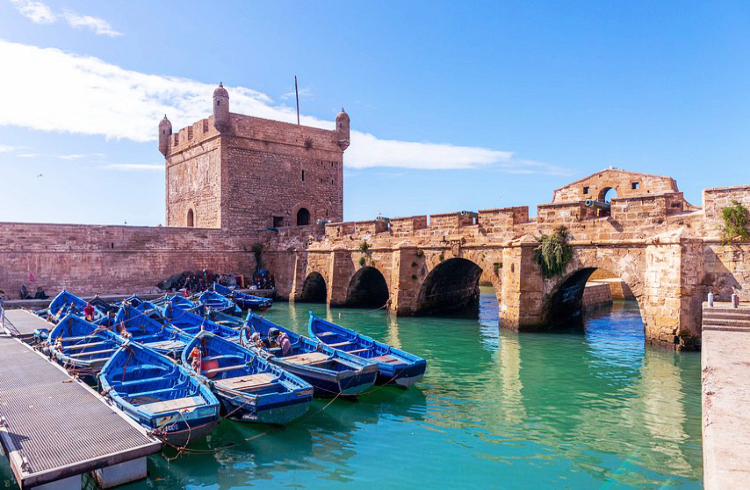
Essaouira is a captivating blend of bohemian charm, rich history, and natural beauty. This UNESCO World Heritage Site, with its whitewashed buildings adorned with blue shutters, windswept beaches, and vibrant artistic culture, offers travelers an authentic Moroccan experience away from the hustle of larger cities. Whether you’re seeking cultural immersion, water sports adventures, or simply a tranquil coastal escape, Essaouira promises an unforgettable journey.
Overview & History
Ancient Heritage: Essaouira’s history dates back to the 7th century BC when Phoenician traders established a settlement. The city gained prominence in the 18th century when Sultan Mohammed III commissioned French architect Théodore Cornut to design the fortified medina, creating a unique blend of North African and European architectural influences.
Cultural Significance: The city served as an important trading port connecting Morocco with Europe and sub-Saharan Africa. Today, it’s renowned for its thriving arts scene, traditional woodworking crafts, and the annual Gnaoua World Music Festival, attracting artists and musicians from around the globe.
Getting to Essaouira
By Air: Essaouira-Mogador Airport (ESU) receives seasonal flights from European cities. Marrakech Menara Airport (RAK), located 180 km away, offers more international connections with a 2.5 to 3-hour transfer to Essaouira.
By Bus: Supratours and CTM operate comfortable, air-conditioned buses from Marrakech (3 hours, approximately $8-12), Casablanca (6 hours), and Agadir (3 hours).
By Car: Renting a car provides flexibility for exploring the coastal route. The scenic drive from Marrakech via N8 road takes approximately 2.5 hours.
By Private Transfer: Private transfers from Marrakech cost $60-100 and can be arranged through hotels or local agencies.
Must-See Attractions
1. The Medina (Old Town)
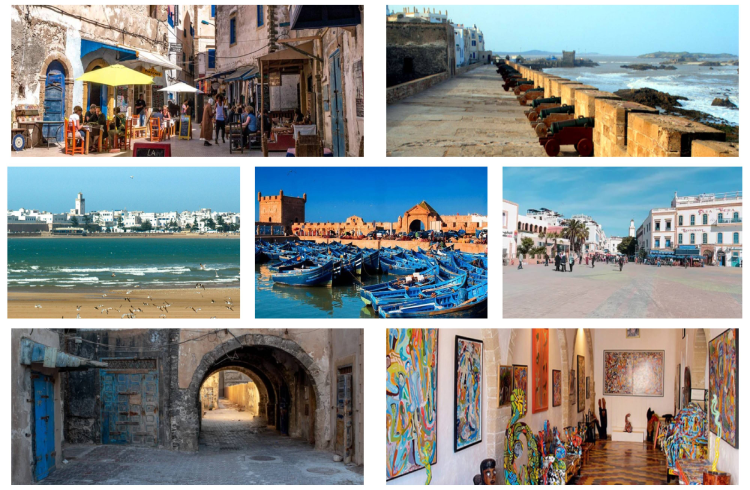
The UNESCO-listed medina is a maze of narrow streets lined with artisan workshops, spice markets, and traditional cafés. Unlike larger Moroccan cities, Essaouira’s medina maintains a relaxed atmosphere. Explore the souks specializing in thuya wood crafts, silver jewelry, and colorful textiles. Don’t miss the authentic fish grill stalls at the port where fishermen sell their daily catch.
2. Skala de la Ville (The Ramparts)
These 18th-century fortifications offer spectacular ocean views and are lined with historic bronze cannons. The ramparts famously featured in Orson Welles’ film ‘Othello.’ Sunset here is particularly magical, with golden light bathing the Atlantic waves.
3. Essaouira Beach
The expansive golden beach stretches for kilometers and is ideal for windsurfing, kitesurfing, and horseback riding. The consistent Atlantic winds make Essaouira one of Africa’s premier wind sports destinations. Beach camel rides are available for a quintessential Moroccan experience.
4. The Fishing Port
Experience authentic maritime life at Morocco’s third-largest sardine port. Morning visits offer glimpses of fishing boats unloading their catch, surrounded by seagulls. The port’s blue boats (traditional trawlers) create perfect photo opportunities.
5. Place Moulay Hassan
This lively central square connects the medina to the port and serves as the city’s social hub. Surrounded by cafés and restaurants, it’s perfect for people-watching while sipping traditional mint tea. Street musicians and performers often entertain visitors, especially during evenings.
6. The Jewish Quarter (Mellah)
Explore Essaouira’s multicultural heritage in this historic Jewish quarter featuring distinctive architecture and the Slat Lkahal Synagogue. The area reflects the city’s history as a cosmopolitan trading hub where Jewish, Muslim, and Christian communities coexisted peacefully.
7. Art Galleries
Essaouira has attracted artists for decades, earning it the nickname ‘City of the Trade Winds.’ Visit Galerie d’Art Damgaard for contemporary Moroccan art, and explore numerous smaller galleries showcasing local painters and sculptors inspired by the city’s unique light and coastal atmosphere.
Activities & Experiences
- Windsurfing & Kitesurfing: Take lessons from certified instructors or rent equipment. April to October offers optimal wind conditions.
- Cooking Classes: Learn to prepare traditional Moroccan dishes like tagine and couscous in authentic riads or local homes.
- Quad Biking: Explore coastal dunes and surrounding countryside on guided quad bike tours.
- Hammam Experience: Indulge in traditional Moroccan spa treatments combining steam baths, exfoliation, and argan oil massages.
- Day Trips: Visit the argan cooperative in nearby Smimou, explore Diabat village with its ruined palace, or trek to Paradise Valley.
- Music & Festivals: Time your visit for the Gnaoua World Music Festival (June) featuring international and local artists in free outdoor concerts.
Culinary Delights
Essaouira’s cuisine showcases the Atlantic’s bounty combined with traditional Moroccan flavors:
- Fresh Seafood: Grilled sardines, calamari, prawns, and sea bass at port-side stalls or upscale restaurants.
- Pastilla: Traditional sweet and savory pastry, often with seafood in coastal variations.
- Tagines: Slow-cooked stews with lamb, chicken, or vegetables, seasoned with saffron, cumin, and preserved lemons.
- Mint Tea: Moroccan hospitality in a glass, served sweet with fresh mint leaves.
- Argan Oil Products: Sample culinary argan oil, unique to Morocco, in salads or for bread dipping.
Where to Stay?
Riads (Traditional Guesthouses): Experience authentic Moroccan hospitality in restored medina houses with interior courtyards. Prices range from $40-200/night.
Beach Resorts: Modern hotels along the beach offering ocean views and amenities like pools and spas. Expect $80-300/night.
Budget Options: Hostels and basic hotels in the medina start from $15-30/night, ideal for backpackers.
Tip: Book accommodations within the medina for an immersive experience and easy access to attractions.
Essential Travel Tips

Best Time to Visit
- Spring (March-May): Pleasant temperatures (18-25°C), blooming landscapes, fewer crowds.
- Summer (June-August): Warm but breezy (22-28°C), perfect for water sports, peak festival season.
- Autumn (September-November): Mild weather, harvest season, ideal for cultural exploration.
- Winter (December-February): Cool and windy (12-18°C), quieter atmosphere, good for budget travelers.
Language
Arabic and French are widely spoken. English is common in tourist areas, but learning basic Arabic or French phrases enhances your experience. Key phrases: ‘Shukran’ (thank you), ‘Salam’ (hello), ‘Beshhal?’ (how much?).
Currency & Payments
Moroccan Dirham (MAD) is the local currency. ATMs are available throughout the medina. Credit cards are accepted in hotels and upscale restaurants, but carry cash for souks, taxis, and street food. Currency exchange offices offer better rates than hotels.
Safety
Essaouira is generally safe for tourists. Exercise normal precautions: keep valuables secure, be aware of surroundings in crowded areas, and use registered taxis. Women travelers often find Essaouira more comfortable than larger Moroccan cities due to its relaxed atmosphere.
Dress Code
While Essaouira is relatively liberal, modest dress is respectful. Cover shoulders and knees in the medina. Beachwear is acceptable on the beach but change before entering town. Bring layers as coastal winds can be cool even in summer.
Transportation
The compact medina is easily walkable. For beach areas or excursions:
- Petit Taxis: Metered taxis for short trips (ensure meter is running; approximately $1-3 within town).
- Bicycle Rentals: Available from shops near the beach ($3-5/day).
- Car Rentals: Useful for exploring surrounding areas; book in advance during peak season.
Shopping & Souvenirs
- Thuya Wood Crafts: Intricately carved boxes, chess sets, and decorative items from local aromatic wood.
- Argan Oil: Pure cosmetic and culinary oil from cooperatives supporting local women.
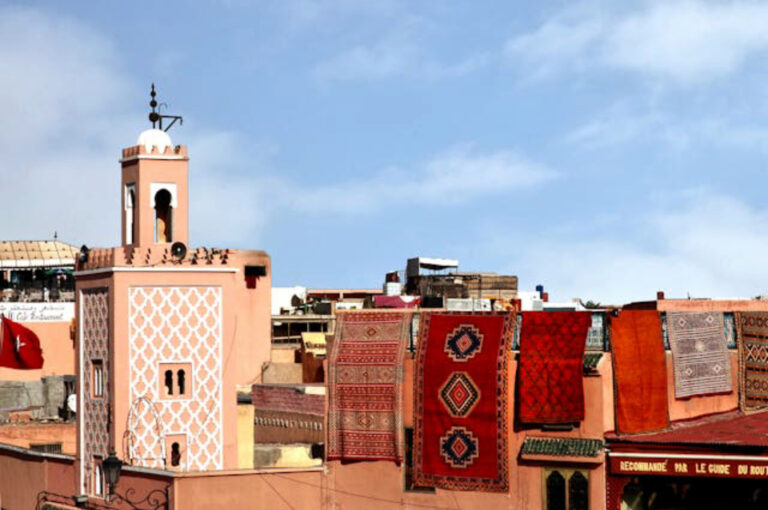
- Textiles: Berber rugs, colorful blankets, and handwoven scarves.
- Jewelry: Silver pieces featuring traditional Berber designs and semi-precious stones.
- Spices: Saffron, cumin, ras el hanout, and other aromatic blends from souk vendors.
Bargaining Tip: Haggling is expected in souks. Start at 40-50% of the asking price and negotiate politely.
Insider Recommendations
- Sunrise at the Port: Witness fishing boats returning with their catch as the city awakens—a photographer’s dream.
- Explore Side Streets: Venture beyond main thoroughfares to discover hidden workshops where artisans practice traditional crafts.
- Beach Timing: Visit the beach in late afternoon when winds calm down, perfect for swimming and sunset views.
- Local Guides: Hire certified guides through official tourist offices for deeper historical and cultural insights.
- Respect Ramadan: If visiting during Ramadan, be mindful that restaurants may have limited hours; some tourist areas remain open.
- Photography: Always ask permission before photographing people. Offer a small tip if taking portraits in markets.
Sustainable Tourism
Support Essaouira’s community and environment:
- Purchase directly from artisans rather than middlemen to ensure fair compensation.
- Choose accommodations with eco-friendly practices and community involvement.
- Minimize plastic use; bring reusable water bottles (tap water isn’t drinkable; bottled or filtered only).
- Respect local customs and dress codes, especially during religious periods.
Conclusion
Essaouira offers a unique Moroccan experience that balances cultural authenticity with modern comfort. Its artistic soul, maritime heritage, and welcoming atmosphere create memories that linger long after departure. Whether you’re wandering the ancient medina, catching waves on the Atlantic, or savoring freshly grilled seafood at sunset, Essaouira invites you to slow down and embrace the rhythm of coastal Morocco.
This city of wind and music, where blue boats bob in the harbor and seagulls wheel overhead, promises transformation. Come discover why artists, musicians, and travelers have been drawn to Essaouira’s enchanting shores for centuries. Your Moroccan adventure awaits in this coastal gem.
FAQs
1. How many days should I spend in Essaouira?
Two to three days is ideal for experiencing the main attractions, sampling the cuisine, and enjoying the relaxed pace. Add extra days if you plan water sports lessons or day trips to surrounding areas.
2. Is Essaouira suitable for families with children?
Absolutely! The safe, walkable medina, expansive beach, and family-friendly activities like camel rides and beach games make it perfect for families. The relaxed atmosphere is less overwhelming for children than larger Moroccan cities.
3. Can I drink alcohol in Essaouira?
While Morocco is a Muslim country, licensed restaurants, hotels, and some bars serve alcohol to tourists. Drinking is not permitted publicly on streets or beaches. Respect local customs by consuming alcohol discreetly in appropriate venues.
4. Do I need a visa to visit Morocco?
Citizens of many countries including the US, Canada, UK, EU nations, Australia, and Japan can enter Morocco visa-free for up to 90 days. Check current requirements with your country’s embassy or Morocco’s official immigration website before traveling.
5. What should I pack for Essaouira?
Pack layers including a windbreaker (coastal winds are persistent), comfortable walking shoes, modest clothing, sun protection (hat, sunscreen, sunglasses), swimwear, and a light scarf for visiting religious sites. Bring any specific medications as international brands may not be available.