Traditional Moroccan Experiences Every Tourist Must Try
Morocco, a captivating blend of North African heritage and modern hospitality, stands as one of the world’s most enchanting destinations. Located at the crossroads of Africa and Europe, this Kingdom offers visitors an extraordinary tapestry of ancient traditions, stunning landscapes, and warm cultural exchanges. Whether you’re drawn by the mystical medinas, golden desert dunes, or the legendary Moroccan mint tea, every corner of this North African gem tells a story waiting to be discovered.
The Authentic Heart of Morocco
Navigating the Traditional Medinas
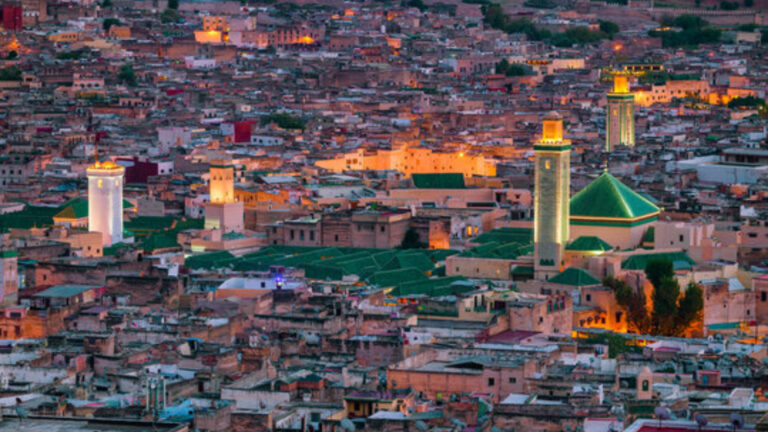
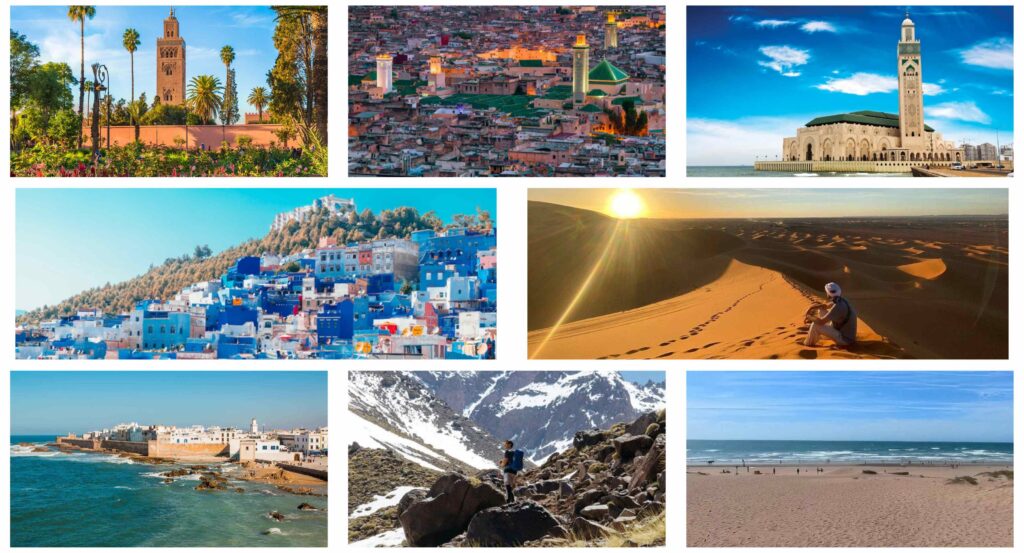
The medinas represent the soul of Moroccan culture, where centuries-old traditions persist within winding alleyways and bustling bazaars. Marrakech’s medina, with its energetic Jemaa el-Fnaa square, stands as perhaps the most iconic marketplace where snake charmers, storytellers, and musicians captivate audiences daily. Fez’s medina, meanwhile, holds the distinction of being one of the oldest continuously inhabited Islamic cities, featuring labyrinthine passages that challenge even the most adventurous travelers.
Walking through these medinas can be disorienting—that’s part of their charm. Each turn reveals hidden riads (traditional homes with interior courtyards), tucked-away family shops, and artisans perfecting crafts unchanged for generations. The sensory overload of sights, sounds, and aromas creates an immersive cultural experience impossible to replicate elsewhere.
The Sacred Ritual of Hammam Culture
No visit to Morocco is complete without experiencing a traditional hammam (bathhouse), an integral part of Moroccan daily life for centuries. These establishments offer far more than practical bathing; they represent a social institution where locals gather, relax, and maintain their wellness routines.
The hammam experience typically involves three heated rooms of increasing temperature, culminating in a vigorous scrub by an experienced attendant who removes dead skin with surprising efficiency. While initially uncomfortable for first-timers, most visitors emerge feeling rejuvenated and deeply appreciated by local culture. Women-only and men-only sessions maintain traditional customs, so inquire about scheduling before your visit.
Mastering the Art of Moroccan Cuisine
Moroccan gastronomy reflects centuries of Berber, Arab, and Mediterranean influences, creating one of the world’s most sophisticated culinary traditions. Tagine, the iconic slow-cooked stew prepared in conical earthenware vessels, represents the country’s culinary philosophy—patient preparation yields extraordinary flavor complexity.
Couscous, the national Friday dish, demonstrates how simple ingredients transform into culinary art through technique and tradition. Beyond these staples, visitors must experience Moroccan mint tea, the ubiquitous beverage served throughout the day with an almost ceremonial reverence. Fresh herbs, green tea, and generous sugar combine to create a drink that offers immediate hospitality and cultural connection.
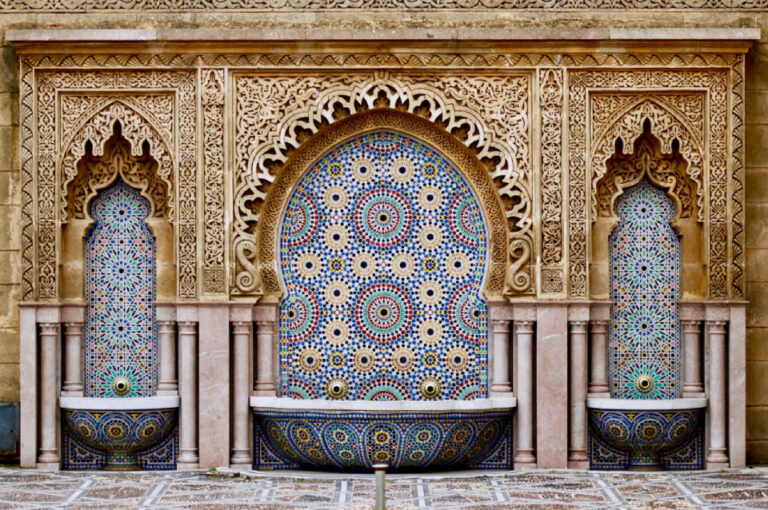
Dining in a traditional riad restaurant provides optimal immersion, where meals often unfold in candlelit courtyards surrounded by zellige tilework and carved cedar ceilings. These intimate settings transform eating into a meditative cultural experience.
Unmissable Traditional Experiences
Exploring the Sahara Desert
The Sahara remains Morocco’s most legendary attraction, offering visitors a genuine desert experience that challenges preconceptions about this vast landscape. Multi-day camel treks from towns like Merzouga or Zagora provide authentic exploration, where sunset across golden dunes and starlit nights create unforgettable memories.
Staying in a Berber camp under the open sky connects visitors with the nomadic traditions that shaped North African history. Local guides share invaluable knowledge about desert survival, ancient trade routes, and contemporary Berber life. The silence of the desert, broken only by wind across dunes, provides profound contrast to bustling medinas.
The Atlas Mountains and Berber Villages
The High Atlas Mountains shelter traditional Berber communities whose lifestyles remain largely unchanged despite globalization. Village trekking through these peaks offers intimate encounters with Berber families, providing opportunities to learn about their agricultural practices, weaving traditions, and matriarchal social structures.
Mountain hospitality proves legendary—locals frequently invite trekkers to their homes for tea and homemade meals, demonstrating the genuine warmth that defines Moroccan culture. The physical challenge of mountain terrain rewards visitors with panoramic vistas, alpine meadows, and authentic human connections rarely available in mass tourism destinations.
The Blue City of Chefchaouen
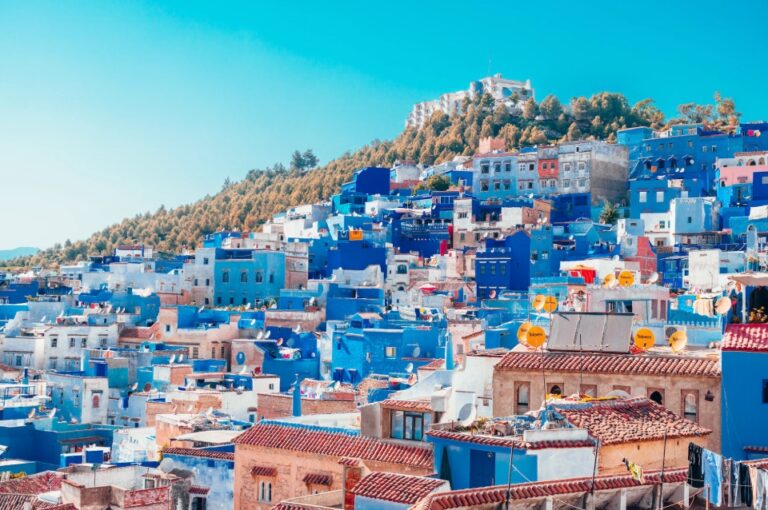
Perched in the Rif Mountains, Chefchaouen’s blue-painted buildings create an almost otherworldly atmosphere that enchants photographers and cultural enthusiasts alike. The medina’s narrow streets, bathed in shades of azure and turquoise, offer endless photographic opportunities while maintaining authentic local character.
Unlike more tourist-saturated destinations, Chefchaouen retains its Moroccan essence, with locals pursuing daily routines amid the scenic landscape. Visiting during less crowded seasons ensures better cultural interactions and more authentic experiences with this unique mountain community.
Traditional Crafts and Artisanship
Moroccan artisans perpetuate ancient crafts with remarkable dedication, from leather tanning in Fez’s centuries-old tanneries to intricate carpet weaving in workshops throughout the country. Observing craftspeople at work provides insight into techniques passed through generations and the patience required for mastery.
Purchasing directly from artisans ensures fair compensation and creates meaningful cultural exchange. A handwoven carpet, zellige-tiled plate, or leather babouche shoe becomes not merely a souvenir but a tangible connection to Moroccan heritage.
Moroccan Celebrations and Festivals
Timing your visit to coincide with traditional festivals offers unparalleled cultural immersion. The Festival of Roses in Kelaat M’Gouna celebrates spring harvests with colorful processions and traditional ceremonies. The Gnaoua and World Music Festival in Essaouira blends traditional African music with contemporary artists, creating unique cross-cultural dialogue.
Religious festivals like Eid al-Fitr showcase family traditions, special foods, and celebrations that reveal Morocco’s Islamic heritage from intimate perspectives not typically available to foreign visitors.
Essential Travel Information
Climate and Best Times to Visit
Morocco’s Mediterranean and Saharan influences create diverse climate zones. Coastal areas enjoy mild temperatures year-round, while interior regions experience extreme seasonal variations. Spring (March-May) and autumn (September-November) offer optimal conditions—comfortable temperatures, minimal rainfall, and ideal trekking weather.
Summer brings intense heat, particularly in desert regions and southern cities, while winter transforms mountain areas and the Sahara dramatically. Coastal cities like Essaouira provide pleasant winter alternatives, though some attractions close seasonally.
Practical Logistics and Getting Around
Morocco’s transportation network connects major destinations effectively through a combination of buses, trains, and shared taxis. The train system between northern cities proves reliable and comfortable, while regional buses provide access to smaller towns. Internal flights accelerate travel between distant regions, though buses offer superior cultural immersion.
Hiring private drivers through hotels or tour companies ensures flexibility while supporting local economies. Many roads outside major cities remain uncrowded, though driving standards sometimes surprise foreign visitors—defensive driving proves essential.
Language Considerations
French remains the primary second language throughout Morocco, with English spoken increasingly in tourist areas. However, Moroccan Arabic (Darija) and Amazigh (Berber language) represent local communication. Learning basic French phrases and greetings in Arabic enhances interactions and demonstrates respect for local culture.
Translation apps provide emergency backup, but they shouldn’t replace genuine human communication attempts. Many rewarding interactions occur when language barriers inspire creative communication.
Practical Tips and Recommendations
Cultural Sensitivity and Respectful Tourism
Morocco’s predominantly Muslim culture deserves visitor respect and awareness. Dress modestly, particularly in traditional communities and religious sites—covering shoulders, knees, and midriffs prevents discomfort. During Ramadan, fasting Muslims appreciate visitors refraining from eating publicly during daylight hours.
Photography requires sensitivity; always request permission before photographing individuals, particularly women. Sacred sites may restrict photography entirely. These considerations transform tourism from observation into respectful cultural exchange.
Negotiating Souks and Fair Pricing
Haggling represents an expected social ritual in souks rather than aggressive confrontation. Engage with vendors good-naturedly, understanding that negotiation involves relationship-building. Expect initial prices 30-50% above final amounts, though this varies by location and merchandise.
Support cooperative organizations and fair-trade initiatives that ensure equitable compensation for artisans, particularly women craftspeople overcoming economic barriers.
Accommodation Choices
Riads provide optimal cultural immersion, offering restored traditional homes with modern amenities. These family-run establishments typically feature interior courtyards, traditional décor, and personal hospitality impossible in larger hotels. Booking accommodations run by local families directly supports community economies.
Desert camps, mountain guesthouses, and coastal hotels each provide distinct experiences. Choosing locally-owned properties rather than international chains maximizes cultural benefit and economic impact.
Safety and Health Considerations
Morocco maintains reasonable safety standards for visitors following standard precautions. Avoid displaying wealth through expensive jewelry or cameras, maintain awareness in crowded areas, and travel with companions when possible. Most tourist areas prove entirely safe, with locals protective of their tourism reputation.
Tap water in major cities meets safety standards, though visitors with sensitive digestive systems may prefer bottled water. Comprehensive travel insurance, including medical evacuation, provides essential protection.
Money Matters and Budgeting
The Moroccan Dirham (MAD) remains non-convertible outside Morocco, requiring currency exchange upon arrival. ATMs in major cities provide reasonable exchange rates, while larger establishments accept credit cards. However, small villages and souks operate exclusively on cash.
Daily budgets range from $30-60 for budget travelers to $150+ for comfort seekers. Local transportation, traditional meals, and guesthouse accommodation remain remarkably affordable compared to Western prices.
Hidden Gems Beyond Standard Routes
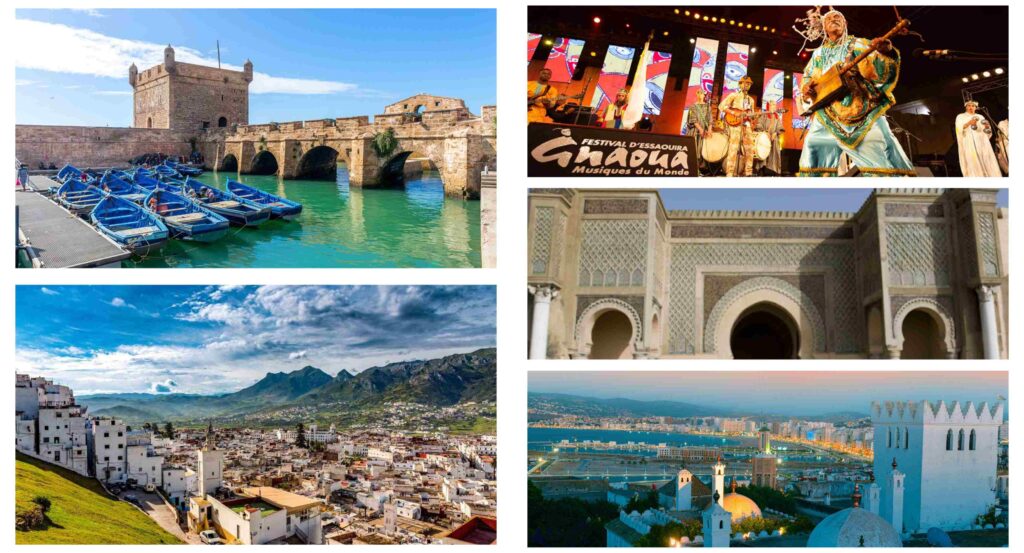
While Marrakech and Fez attract most visitors, Morocco offers extraordinary alternatives for intrepid travelers. The coastal town of Essaouira combines beach culture with artisanal fishing traditions and thriving music scenes. Tatooine and the Anti-Atlas mountains showcase landscapes of stunning desolation, while smaller medinas like Meknes and Tanger preserve authentic character minus the overwhelming crowds.
Timing your itinerary to include lesser-known destinations rewards patient travelers with authentic interactions and unmediated cultural experiences impossible in major tourist centers.
Conclusion
Traditional Moroccan experiences transcend typical tourism, offering genuine cultural immersion and transformative human connections. From navigating ancient medinas to trekking mountain peaks, from savoring complex flavors to witnessing timeless craftsmanship, Morocco rewards curious visitors with memories that reshape perspectives and inspire lifelong appreciation for North African heritage.
The Kingdom’s greatest treasure lies not in monuments or souvenirs, but in genuine human warmth, the slow pace of traditional life, and the profound satisfaction of stepping outside comfortable routines to embrace authentic cultural difference.
FAQs
Q1: What documents do I need to visit Morocco?
Most Western visitors require a valid passport with at least six months’ validity beyond their travel dates. Citizens of EU countries, the United States, Canada, and Australia receive 90-day tourist visas upon arrival. However, visa requirements vary significantly by nationality, so verify requirements through official Moroccan embassy websites before travel. Comprehensive travel insurance, while not mandatory, provides essential protection and emergency evacuation coverage unavailable otherwise.
Q2: Is it safe to travel to Morocco as a solo female traveler?
Morocco welcomes solo female travelers, and millions visit annually without incident. However, respectful cultural awareness remains essential. Dress conservatively, particularly outside tourist areas, to minimize unsolicited attention. Avoid walking alone after dark in unfamiliar neighborhoods, especially medinas where labyrinthine passages become disorienting. Join organized groups for remote destinations or hire private guides who provide security and cultural translation. Fellow solo travelers regularly report Morocco as one of Africa’s most accessible destinations for independent female exploration.
Q3: How much does a typical Moroccan experience cost?
Budget varies dramatically based on travel style. Backpackers spending $30-50 daily utilize buses, eat in local restaurants, and stay in budget guesthouses. Mid-range travelers budgeting $75-150 daily enjoy modest riads, restaurant dining, and organized activities. Luxury visitors spending $200+ enjoy high-end accommodation, private transportation, and premium guides. Multi-day Sahara expeditions cost $150-300 daily, while mountain guides charge $20-40 daily. Souvenirs and crafts range from $2 to several hundred dollars depending on quality and authenticity.
Q4: What is the best time to visit Morocco?
Spring (March-May) and autumn (September-November) offer optimal conditions—comfortable temperatures between 65-80°F, minimal rainfall, and ideal hiking weather. Summer brings intense heat (95-110°F+), particularly in desert regions and southern cities, discouraging outdoor activities. Winter (December-February) remains mild in coastal areas but transforms mountains into challenging terrain. Desert regions experience extreme temperature swings between scorching days and cold nights. Consider Ramadan implications if visiting during this month, as many restaurants close during daylight hours and cultural practices change significantly.
Q5: How long should I spend in Morocco for an authentic experience?
A basic introduction requires 5-7 days covering major destinations like Marrakech, Fez, and the Sahara. However, genuine cultural immersion demands 10-14 days allowing sufficient time in individual locations, meaningful interaction with local communities, and adaptability to unexpected discoveries. Extended stays of 3+ weeks enable deep exploration of lesser-known regions, extended mountain trekking, coastal relaxation, and the slow travel pace that transforms tourism into transformation. Quality consistently surpasses quantity in Morocco—two weeks of unhurried exploration yields far richer experiences than rushed multi-city circuits.